A real estate transaction is much more than exchanging keys—it is a binding legal contract and, for most people, the largest financial commitment of their lives. Protecting your investment requires a strict understanding of Ontario’s property laws, complex financing structures, and the ethical regulations governing the industry.
As a licensed real estate representative serving Orangeville, Caledon, Shelburne, and the surrounding areas, transparency and client protection are the cornerstones of my business. The fine print matters. Whether you are wondering how realtor commissions are structured, navigating the tax implications of an inherited estate, or figuring out your property rights as a common-law partner, you need facts you can trust.
Realtor Fees and Commissions
Transparency is important when it comes to the cost of buying and selling a home. Realtor fees (commissions) are how agents are compensated for marketing your property, managing liability, and negotiating the sale. Understanding exactly how these fees are structured, who pays them, and the specific marketing services you receive in exchange ensures there are no surprises at the closing table.
Understanding Real Estate Agent Fees and Commissions The complexity of realtor fees and commissions can feel overwhelming for both first-time buyers and seasoned property investors. However, it is an essential part of the real estate process that we cannot ignore. In this article, we will guide you through the intricate web of these fees and […]
Question: Do Realtors Get Paid If the Deal Falls Through? Answer: Whether or not a real estate agent gets paid if the deal falls through depends on several factors, including the circumstances surrounding the cancellation of the deal, the terms of the listing agreement, and the local real estate laws and regulations. Do Real Estate […]
Question: Are Realtor Fees Negotiable in Ontario? Answer: Yes, realtor fees in Ontario are negotiable. They are not regulated by law, so agents and clients can agree on fees. Are Real Estate Agent Fees Negotiable in Ontario? Your Options When buying or selling a property one of the biggest concerns for many people is the […]
View all Realtor Fees Articles ➔
Realtor Ethics and Legal Duties
The real estate industry in Ontario is strictly regulated by the Real Estate Council of Ontario (RECO) to protect consumers. Realtor ethics and legal duties mean that as your designated agent, I have a fiduciary responsibility to put your financial interests above my own, maintain strict confidentiality, and disclose all relevant facts. Knowing your rights empowers you as a consumer.
Your Realtor’s Ethical and Legal Duties Choosing a real estate agent is a significant decision. You place immense trust in this professional to guide you through a major financial transaction. This relationship is built on a strong foundation of professional standards. Understanding realtor ethics and legal obligations helps you know what to expect from your […]
A Realtor’s Responsibility for Property Flaws Buying or selling a home is a significant financial event. Trust and transparency form the foundation of every successful transaction. A key part of this foundation involves understanding property defects. Both buyers and sellers have questions about what information must be shared. The topic of real estate agents and […]
How We Protect Your Privacy in Real Estate Buying or selling a home is a significant life event. You share a large amount of personal information with your real estate professional. This information includes financial details, personal identification, and your family’s needs. The relationship between real estate agents and privacy laws is a critical component […]
View all Realtor Ethics and Legal Articles ➔
Disclosure Information
Selling a home ‘as-is’ does not exempt a seller from the law. Disclosure information is one of the most legally sensitive parts of a real estate transaction. Sellers must understand the critical difference between patent defects (visible issues) and latent defects (hidden dangers). Failing to disclose known, dangerous defects can lead to severe legal and financial consequences long after closing day.
What is a Disclosure Document in Real Estate? Buying or selling a home involves many important documents. One key document is the property disclosure statement. This form offers a detailed look at a property’s condition from the seller’s point of view. A seller completes the document to inform potential buyers about known issues with the […]
Question: What Must Be Disclosed When Selling a House in Ontario? Answer: When selling a house in Ontario, sellers must legally disclose known latent defects — significant hidden flaws that render the property dangerous or unfit for habitation. This includes major structural problems, serious mould, or the presence of UFFI. Obvious defects that a buyer […]
Question: Why is Disclosure Important in Mortgage? Answer: Disclosure in a mortgage is important for consumer protection, providing borrowers with clear, detailed information about loan terms, fees, and risks. This transparency, mandated by law through documents like the Loan Estimate, enables homebuyers to understand their commitment, compare offers, and avoid predatory lending practices, ensuring an […]
View all Disclosure Information Articles ➔
The SC Escape Clause
When a seller accepts a conditional offer (such as an offer conditional on the buyer selling their own home), their property is effectively tied up. The SC Escape Clause (often a 48-hour clause) is a powerful legal tool that allows the seller to continue marketing the home. If another buyer makes a firm offer, the escape clause forces the first buyer to either drop their conditions immediately or walk away.
What Does SC Escape Clause Mean? You are navigating a real estate transaction. You hear the term “SC escape clause” and wonder about its meaning. This clause, often called a 48-hour clause, is a specific condition in a purchase agreement. It gives a seller a unique advantage. A seller can accept a buyer’s conditional offer […]
Question: What Happens if You Cannot Close on a House in Ontario? Answer: If you cannot close on a house in Ontario, you are in breach of contract. You will likely forfeit your deposit and can be sued by the seller for damages, including any loss in value if the property sells for less, plus […]
Question: Can a Seller Get Out of a Conditional Offer? Answer: A seller cannot unilaterally back out of a conditional offer. Once accepted, a conditional offer is a legally binding contract. The seller is committed unless the buyer fails to meet their conditions by the deadline, or if a specific clause in the agreement, such […]
View all SC Escape Clause Articles ➔
Inherited Tax Law
Inheriting real estate is a generous gift, but it comes with heavy administrative and tax burdens. Inherited tax law in Canada dictates that while there is no explicit ‘inheritance tax,’ the estate may be subject to significant Capital Gains taxes if the property was not the deceased’s principal residence. Managing probate and property transfer requires strategic financial planning.
How Do I Avoid Inheritance Tax on My Property in Canada? Many property owners worry about passing their homes or cottages to their loved ones. They often ask, how do I avoid inheritance tax on my property in Canada? The good news is that there is no official inheritance tax. Your beneficiaries will not pay […]
Question: What Happens When You Inherit a Property? Answer: When you inherit a property the estate executor first settles any taxes, including potential capital gains on the property. The title is then legally transferred to you. While there’s no inheritance tax, you will be responsible for capital gains tax if you later sell it for […]
Question: What Happens If You Inherit a House with a Mortgage in Canada? Answer: If you inherit a house with a mortgage in Canada, you inherit the property and the mortgage debt. The estate is initially responsible for payments. You can assume the mortgage if the lender approves, pay it off using estate assets, or […]
View all Inherited Tax Law Articles ➔
Home Affordability
A successful real estate journey begins with absolute financial clarity. Home affordability isn’t just about what a mortgage calculator says your monthly payment will be; it requires factoring in the federal mortgage stress test, fluctuating interest rates, property taxes, and closing costs. We help buyers secure the right financing so they are house-proud, not house-poor.
Understanding Home Affordability The real estate market can feel overwhelming, especially when considering affordability. Home affordability encompasses a range of factors beyond just the listing price. This post delves into the key elements that determine what you can realistically afford, empowering you to make informed decisions in your home-buying journey. For more information Let’s Talk […]
Question: Why is Canada So Unaffordable? Answer: Canada’s unaffordability stems from a confluence of factors including high housing demand, limited supply, low interest rates fueling borrowing, and inflation. Decoding the High Cost of Living The dream of homeownership feels increasingly distant for many, and the question “Why is Canada so unaffordable?” echoes across the nation. […]
Question: Will Houses Ever Be Affordable Again in Canada? Answer: It is hard to say if houses will ever be affordable again in Canada. Predicting the future is difficult, but increased supply, potential interest rate drops, and government policies could improve affordability over time. Navigating the Canadian Housing Market: A Look at Affordability The Canadian […]
View all Home Affordability Articles ➔
Guarantors and Co-Signers
With property prices remaining historically high, many first-time buyers need assistance to enter the market. Using guarantors and co-signers is a common strategy where parents or relatives guarantee the mortgage loan. However, there are massive legal and financial distinctions between co-signing on a title versus acting solely as a financial guarantor.
The Guarantor Role in Real Estate Securing a rental property or a mortgage can be a challenge. Landlords and lenders need assurance that you can meet your financial obligations. If you have a limited credit history, a lower income, or are new to the country, you may need extra support. This is where understanding what […]
Question: What Is a Guarantor in a Mortgage? Answer: A guarantor on a mortgage is someone who legally promises to pay your mortgage if you default on your payments. Their strong financial standing helps you qualify for the loan, but unlike a co-signer, they do not have any ownership rights to the property. The Role […]
Question: What Does It Mean To Be a Guarantor? Answer: Being a guarantor means you are making a legal promise to take responsibility for someone else’s debt, like a mortgage or rental lease. If the primary person defaults on their payments, you are legally obligated to pay the full amount owed to the lender or […]
View all Guarantors Articles ➔
Common-Law Partners
Buying a home with a partner is an exciting milestone, but the legal landscape changes depending on your marital status. Common-law partners do not have the same automatic ‘Matrimonial Home’ property rights as married couples in Ontario. If only one name is on the title, the other partner could be left vulnerable in the event of a separation unless a cohabitation agreement is in place.
Navigating Real Estate as Common-Law Partners Understanding the nuances of real estate ownership as common-law partners is important for a secure future. While the term “common-law” suggests a legally recognized union, the reality in real estate matters can be more complex. Unlike married couples, common-law partners don’t automatically have the same rights and responsibilities regarding […]
Question: Do Common-Law Partners Have Rights To Property in Ontario? Answer: No, common-law partners do not have rights to property in Ontario. Generally, no automatic property rights exist upon relationship breakdown. However, they may have claims under family law regarding shared property or support depending on the circumstances. Understanding Property Rights for Common-Law Partners The […]
Question: Who Owns the House in a Common-Law Partnership? Answer: Homeownership in a common-law partnership depends on title and contribution. If both partners are on the title, they co-own it. If only one is listed, they legally own it, regardless of the other partner’s contributions. Understanding Property Ownership in Common-Law Relationships Property ownership within a […]
View all Common-Law Partners Articles ➔
Property Lines and Boundaries
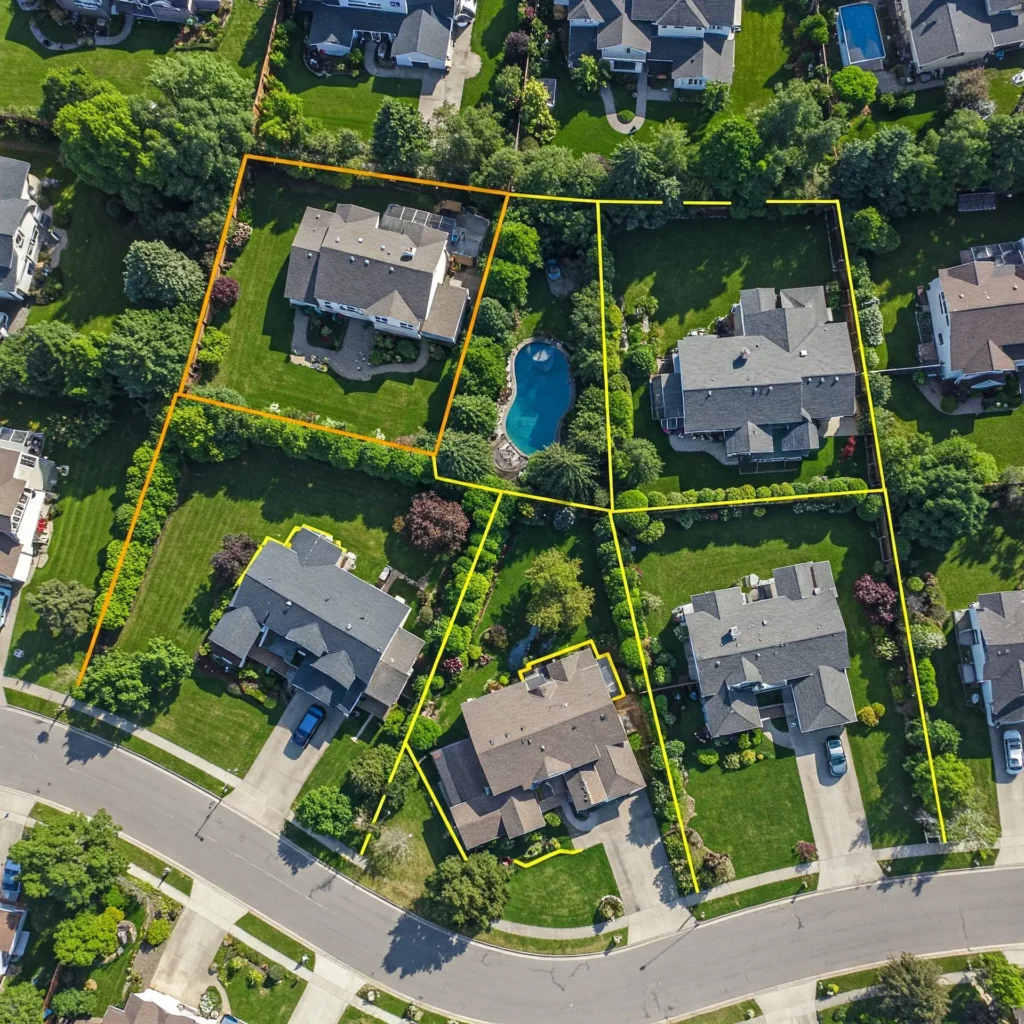
Good fences make good neighbors, but only if they are built on the correct side of the property line. Disputes over property lines and boundaries, encroaching driveways, and shared easements can turn into expensive legal battles. Understanding the importance of an updated land survey and title insurance is critical before building additions or buying rural acreage.
Understanding Property Lines and Boundaries Understanding property lines and boundaries is important for every property owner. Knowing where your property starts and ends prevents disputes with neighbours. This knowledge also helps you avoid legal issues related to encroachments or zoning violations. Property lines define the legal limits of your property. Boundaries refer to the physical […]
Question: How to Get a Survey of Your Property in Ontario? Answer: To get a survey of your property in Ontario, contact a licensed Ontario Land Surveyor. They’ll research your property, conduct fieldwork to determine boundaries, and prepare a legal survey document. Costs vary depending on property size and complexity. Understanding Property Surveys Understanding your […]
Question: How Much Does a Survey Cost in Ontario? Answer: Survey costs in Ontario vary widely. Factors like property size, location, and survey type (e.g., boundary, topographic) influence pricing. Expect a range from $800 to $3000+, depending on complexity. Survey Costs for Ontario Properties Purchasing property involves many considerations. One often-overlooked factor is the cost […]
View all Property Lines Articles ➔
Need Expert Guidance on the Fine Print?
Real estate isn’t just about finding the right layout; it’s about making a legally sound, financially brilliant investment. Whether you need clarification on disclosure laws, advice on escape clauses, or help calculating your true affordability, I provide the facts you need to proceed safely.