
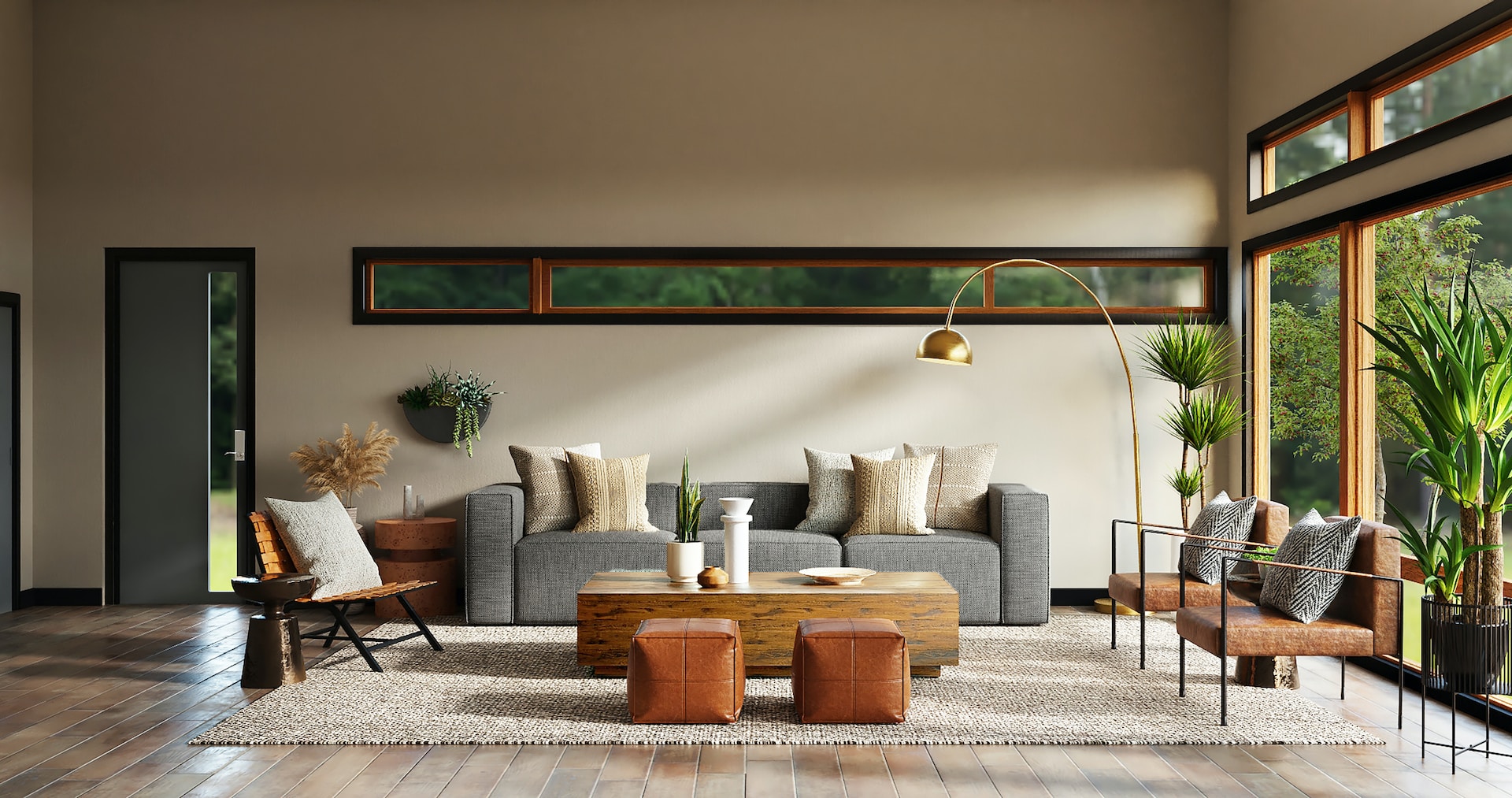

Question: What Is the Role of Square Footage in Property Valuation?
Answer: The role of square footage is significant in property valuation. Square footage is a primary metric used to establish a property’s baseline value, often through a price-per-square-foot comparison. While more space typically increases value, appraisers also weigh factors like layout, condition, and location to determine the final market price.
How Size Affects Your Home’s Value
Homebuyers and sellers often focus on one number: square footage. It provides a simple way to compare different properties. People naturally want to know what the role of square footage in property valuation is because it seems like the most objective measure. A larger home should cost more than a smaller one in the same area. This assumption is generally true, but it only tells part of the story. The size of a property is a foundational element in its appraisal, but its final market value depends on many other connected factors. Think of square footage as the starting point of a conversation, not the conclusion.
This initial number helps appraisers and real estate agents establish a baseline value. From there, they adjust the price based on location, condition, layout, and features. Two homes with identical square footage can have vastly different prices. One might have a modern, open-concept layout and a renovated kitchen, while the other has a dated, closed-off floor plan. Understanding how size influences value, and what its limits are, gives you a significant advantage in the real estate market. It allows you to see beyond the numbers and appreciate the true quality and potential of a property.
Defining Square Footage in Real Estate
In real estate, “square footage” refers to the amount of finished, livable space in a home. Professionals measure this area to create a standard for comparing properties. The most important distinction is between “above-grade” and “below-grade” areas. Above-grade space includes all finished floors that are entirely above the ground. This typically covers the main and upper levels of a house. These areas receive the highest valuation because they offer the most natural light and are considered primary living spaces.
Below-grade space, such as a basement, is valued differently. Even a fully finished basement with bedrooms and a recreation room does not contribute to the official Gross Living Area (GLA) in the same way. Appraisers assign a lower value per square foot to basement space. This is because basements have less natural light and can be prone to moisture issues. While a finished basement adds significant utility and appeal, buyers should understand why it is separated in property listings and official valuations. This distinction ensures a fair and consistent comparison between homes with and without finished basements.
Click here to find out more about how to find present market value of home in Orangeville
Related Article: What Is Square Footage in Real Estate?
Related Article: Does Square Footage Include the Basement in Ontario?
What Counts and What Does Not
Determining which areas contribute to a home’s official square footage can be confusing. Clear standards exist to ensure consistency. Generally, a space must be finished, heated, and have a certain ceiling height to be included. This ensures the area is genuinely “livable” year-round. An unfinished attic or a three-season sunroom would not count, even if they provide extra space. Garages are also excluded from the total living area calculation. The focus remains on the interior spaces where a family lives day-to-day.
Here is a simple breakdown of what is usually included and what is left out:
-
Included Spaces
Finished living areas entirely above ground, such as living rooms, dining rooms, kitchens, bedrooms, and bathrooms. Finished attics or lofts may also count if the ceiling height is adequate, typically at least seven feet over a significant portion of the floor area.
-
Excluded Spaces
Unfinished areas are always excluded. This list includes garages, sheds, open porches, and decks. Finished basements are measured and valued separately but are not part of the primary Gross Living Area. This separation helps maintain an apples-to-apples comparison between homes.
Related Article: What Is Excluded in House Square Footage?
Related Article: What Is the Difference Between Area and Square Footage?
The Importance of Layout and Function
The total square footage of a home is a number, but the layout determines how you experience that number. A functional and efficient floor plan can make a home feel much larger and more valuable than its measurements suggest. Buyers today often prefer open-concept designs that combine the kitchen, living, and dining areas into one large, interactive space. This layout promotes family connection and is excellent for entertaining. A home with a choppy, closed-off floor plan may feel cramped, even if it has more total square footage.
The number of bedrooms and bathrooms also has a massive impact on value. A 1,800-square-foot home with four bedrooms and three bathrooms will almost always be more valuable than a 2,000-square-foot home with only two bedrooms and one bathroom. Families need separate rooms, and the market reflects this demand. The utility of the space is critical. Does the layout flow logically? Is there wasted space in long, narrow hallways? A well-designed home maximizes every square foot, making it more desirable and ultimately more valuable to a potential buyer.
How Square Footage Interacts with Other Valuation Factors
A property’s size is just one piece of a complex puzzle. Its value is determined by how that size interacts with numerous other factors. A home never exists in isolation. Its surroundings and inherent qualities can dramatically increase or decrease its worth, regardless of its square footage. A smaller home in a highly sought-after neighbourhood will often be worth more than a much larger home in a less desirable area. This shows that location is frequently the single most important factor in real estate valuation.
Other critical elements work alongside square footage to create a final market value:
-
Location
This includes the quality of the neighbourhood, its proximity to good schools, parks, transit, and other amenities. A prime location always adds a significant premium to a property’s value.
-
Condition and Age
A newly built or recently renovated home will command a higher price than an older home that needs significant updates. The condition of the roof, windows, and mechanical systems plays a major role.
-
Lot Size
The amount of land a home sits on is very important. A large, private backyard is a major selling point and adds considerable value, especially for detached homes.
-
Upgrades and Finishes
High-quality finishes, such as hardwood floors, stone countertops, and modern appliances, directly increase a home’s value. These features enhance the living experience and appeal to discerning buyers.
Related Article: Is the Balcony Included in Square Footage in Ontario?
Related Article: What Is the Difference Between Above Grade and Below Grade Square Footage?
Square Footage in Different Property Types
The importance of square footage can also change depending on the type of property. For a condominium, the interior square footage is a primary determinant of its value. Since there is no private lot, buyers focus heavily on the unit’s size, layout, and view. A 1,000-square-foot condo is significantly more valuable than an 800-square-foot unit in the same building, assuming similar finishes. Balconies and terraces add value, but they are measured and assessed separately from the interior living space. Common areas like gyms and pools contribute to the building’s overall appeal but not the unit’s direct square footage.
For detached and semi-detached homes, the equation is more balanced. While interior square footage remains crucial, the lot size and outdoor features play an equally important role. A home with a smaller interior but a large, beautifully landscaped backyard might be more desirable to a family than a larger house on a small lot. The utility of the entire property matters. Buyers of detached homes are often looking for privacy, outdoor entertaining space, and room for children to play. Therefore, the valuation must consider both the home’s interior size and the quality of its surrounding land.
Related Article: How Is House Square Footage Calculated in Canada?
Related Article: What Is the Square Footage Adjustment Factor?
A Balanced Perspective on Property Size
Square footage is a vital metric in property valuation. It provides a necessary baseline for comparing properties and is often the first detail a buyer examines. It directly influences the calculations used by appraisers and helps set initial price expectations in the market. A larger home will generally be worth more than a smaller one, but this simple rule comes with many qualifications. You must always look deeper than this single number to understand a home’s true worth and potential.
Factors like a functional layout, the number of bedrooms, the condition of the property, and its location are just as important. A thoughtfully designed home that uses its space efficiently can be far more desirable than a larger home with a poor floor plan. Similarly, a modest-sized home in a prime neighbourhood will outperform a mansion in a remote location. When you buy or sell a home, use square footage as your starting point. Then, build a complete picture by considering all the other elements that make a house a home. This balanced approach will lead you to make a more informed and confident decision.