
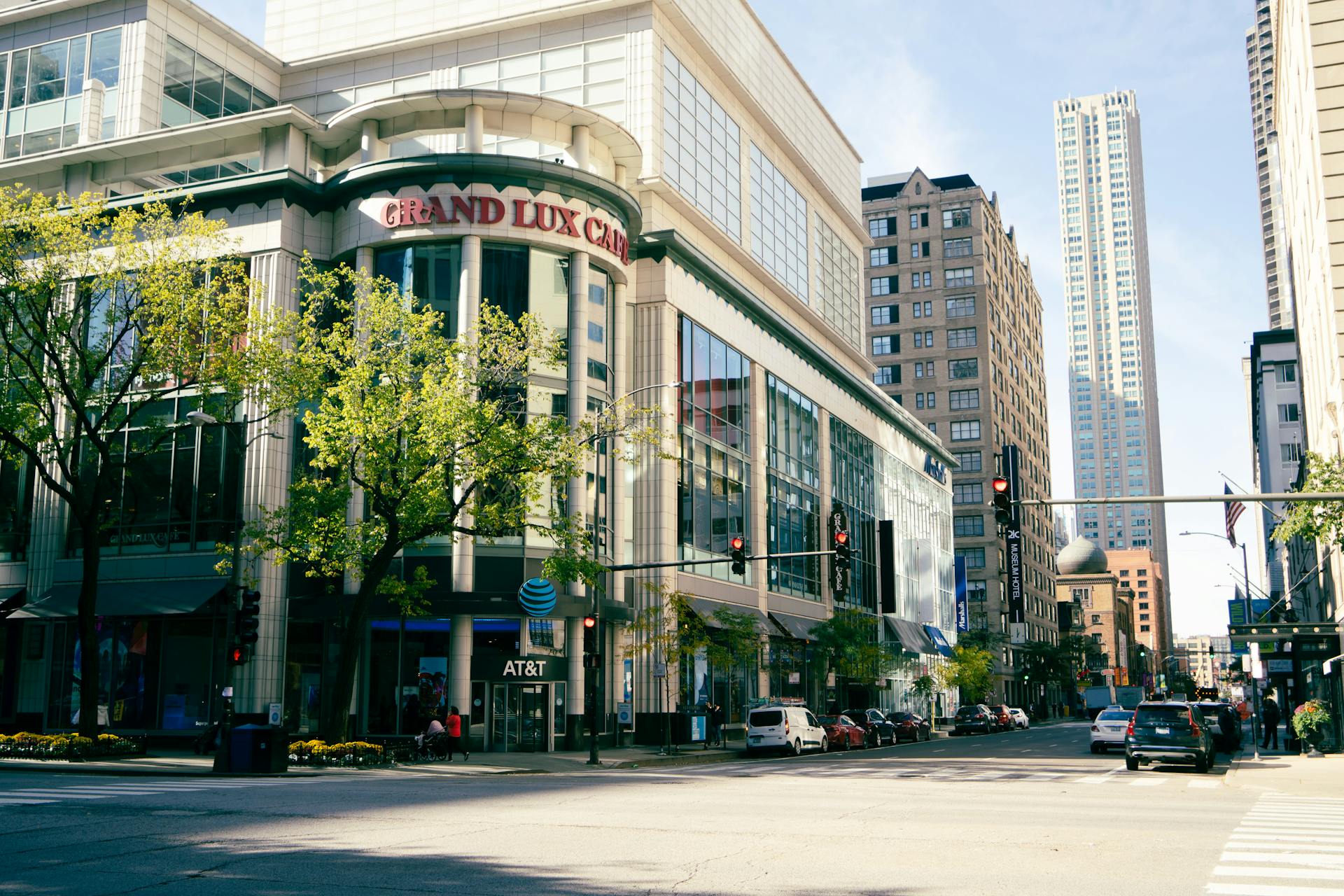

Question: What Is a Commercial Mixed-Use Property Under Canadian Law?
Answer: A commercial mixed-use property is a single building or development zoned for multiple purposes. Under Canadian municipal by-laws, this typically combines commercial uses like retail or offices with residential units, often to create more walkable and dynamic neighbourhoods.
Defining Commercial Mixed-Use Properties
As our communities grow and urban planning shifts towards creating more walkable, integrated neighbourhoods, the concept of a mixed-use building has become increasingly popular. You have likely seen them: a vibrant cafe or boutique on the ground floor with apartments or condominiums stacked neatly above. While the idea seems simple, it is important to understand what a commercial mixed-use property is under Canadian law. This classification is not just a description; it is a legal and financial designation that carries specific rules, opportunities, and responsibilities for owners and investors.
A commercial mixed-use property is a single building or a development that blends two or more distinct land uses, typically combining commercial and residential elements. This could be retail stores, offices, or restaurants coexisting with residential apartments or condos. The legal definition is shaped by municipal planning documents, building codes, and taxation policies. Unlike a purely residential or purely commercial building, these properties operate under a hybrid set of regulations that an owner must fully grasp.
For investors, developers, and even small business owners looking to live above their shop, understanding this property type is the first step. The blending of uses creates unique income streams and contributes to dynamic local economies. However, it also introduces layers of regulatory oversight that influence everything from construction and financing to day-to-day management.
Zoning Bylaws and Official Plans
The legal identity of any property begins with municipal planning. Every town and city has an Official Plan, a high-level policy document that outlines the long-term vision for community growth. It designates different areas for specific types of development, such as residential, industrial, or commercial. To support this vision, municipalities enact zoning bylaws, which are the detailed rules that govern exactly how land can be used, what can be built, and where it can be located.
It is within these zoning bylaws that the legal basis for a commercial mixed-use property is established. A property must be situated on land zoned for mixed uses to be legally recognized as such. Zoning codes like “Commercial Residential (CR)” or “Mixed-Use (MU)” explicitly permit the combination of business and living spaces. These bylaws specify the permitted uses, building height, density, setbacks from property lines, and parking requirements. Attempting to operate a business in a purely residential zone or vice versa would violate these local laws.
Before purchasing a property with mixed-use potential, conducting thorough due diligence is critical. This involves reviewing the current zoning bylaw to confirm that the existing or intended uses are permitted. You can typically find this information on the municipality’s website or by contacting its planning department. This step verifies the property’s legal standing and uncovers any restrictions that could impact your plans. This research is a foundational part of determining what a commercial mixed-use property is under the law for a specific location.
Follow this link to learn more about commercial real estate agents
Related Article: How Do You Value Commercial Development Land?
Related Article: What Are the Benefits of Commercial Real Estate Syndication?
Building Codes and Regulations
Constructing or renovating a mixed-use property involves adhering to a stringent set of building codes that ensure the safety and comfort of all occupants. Because these buildings house both commercial activities and private residences, they must satisfy the requirements for both use types simultaneously. This dual compliance is a core element of what makes a commercial mixed-use property unique under the law.
A primary concern is the separation between different uses. The building code mandates specific fire-resistance ratings for walls, floors, and ceilings that divide commercial spaces from residential units. This ensures that a fire originating in a ground-floor restaurant, for example, is contained and does not quickly spread to the apartments above. Soundproofing is another critical consideration. Enhanced sound transmission ratings are often required between commercial and residential units to prevent noise from a busy shop from disturbing residents.
Furthermore, different parts of the building must meet different standards. The commercial portion must comply with accessibility legislation, ensuring it is barrier-free for people with disabilities. This includes requirements for ramps, accessible washrooms, and automated doors. Meanwhile, systems like ventilation must be designed to handle the distinct needs of each space, preventing cooking odours from a cafe from entering residential hallways. These technical requirements are non-negotiable and fundamental to the legal operation of the property.
Property Taxation and Assessment
The financial side of a mixed-use property is just as distinct as its physical structure, particularly when it comes to property taxes. Municipalities do not tax these properties with a single, uniform rate. Instead, the property assessment authority evaluates the different components of the building separately and assigns them to different tax classes. This split assessment is a defining financial characteristic of a commercial mixed-use property under the law.
Typically, the portion of the building used for business—such as retail stores or offices—is placed in the commercial tax class. The residential apartments or condominium units are placed in the residential tax class. These classes have different tax rates. Commercial tax rates are almost always higher than residential rates. The final property tax bill is a blended total, calculated by applying the respective rates to the assessed value of each portion.
This approach ensures a fair distribution of the tax load based on the property’s use. For an owner or investor, it means carefully analyzing the property’s income potential in relation to its tax obligations. The proportion of commercial to residential space directly impacts the overall tax burden. Understanding how this assessment works is essential for accurately forecasting operating expenses and ensuring the long-term financial viability of a mixed-use investment.
Financing and Mortgage Considerations
Securing financing for a mixed-use property is a different process than obtaining a standard residential mortgage. Lenders view these properties through a commercial lens because a portion of the income relies on the success of business tenants. This perception shapes the types of loans available, the qualification criteria, and the terms of the mortgage. This financial reality is another key part of what defines a commercial mixed-use property under the law.
When you apply for a loan, the lender will analyze the entire property as a single investment. They will pay close attention to the ratio of commercial to residential space, both in terms of square footage and projected income. A property that is predominantly residential with a small ground-floor shop might qualify for more favourable terms than one that is primarily commercial with only one or two apartments. Lenders will also scrutinize the strength of the commercial tenants, preferring long-term leases with established businesses.
As a borrower, you can expect different requirements. Down payments for commercial loans are typically larger, often 25% or more of the purchase price. Interest rates may be higher, and amortization periods can be shorter compared to residential mortgages. The lender will also assess your experience as a commercial landlord. Demonstrating a solid track record of managing business tenants can significantly improve your chances of securing favourable financing for a commercial mixed-use property.
Landlord and Tenant Obligations
Managing a commercial mixed-use property means you are simultaneously a residential landlord and a commercial landlord, and you must comply with two entirely different sets of laws. Each type of tenancy is governed by its own legal framework, with distinct rights and responsibilities for both the property owner and the tenants. This duality is one of the most important operational aspects of a commercial mixed-use property under the law.
The relationship with your residential tenants is governed by specific provincial legislation, like the Residential Tenancies Act. This act provides comprehensive protections for tenants, covering issues such as rent increases, maintenance obligations, and eviction procedures. The rules are highly detailed and generally favour the tenant. A landlord must follow these procedures exactly to avoid legal disputes.
Residential Tenancies
You must use standardized lease forms, provide 24 hours’ notice for entry, and follow a formal process for dispute resolution through a specific tribunal.Commercial Tenancies
The relationship with business tenants is governed by the Commercial Tenancies Act and, most importantly, the lease agreement itself. This framework offers much more flexibility. The lease is a negotiated contract that outlines all terms, including rent, permitted uses, and responsibilities for repairs. There are fewer statutory protections for commercial tenants, making the lease document the ultimate authority on the relationship.
An owner of a mixed-use property must be proficient in both legal worlds. You need to understand how to legally increase rent for an apartment while also knowing how to negotiate a renewal with a retail business. This legal separation requires careful management and administration to ensure compliance and maintain positive relationships with all tenants.
The Integrated Nature of Mixed-Use Properties
In summary, a commercial mixed-use property is far more than just a building with shops and apartments. It is a distinct legal and financial asset class defined by a convergence of regulations. From the foundational zoning bylaws that permit its existence to the specific building codes that ensure safety, every aspect is carefully governed. The legal framework treats the property not as one uniform entity but as a composite of its different parts, which is clearly reflected in its split property tax assessment.
This integration extends to its financing and management. Lenders evaluate these properties based on the combined strength of their residential and commercial income streams, applying a commercial underwriting standard. Once owned, the property requires the landlord to navigate two separate legal universes: the highly regulated world of residential tenancies and the contract-driven domain of commercial leasing. This is the essence of what a commercial mixed-use property is under the law—a complex but potentially rewarding investment.
Successfully investing in or developing these properties requires a holistic understanding of this integrated nature. It demands careful due diligence, expert financial planning, and diligent management. By bringing together places to live, work, and shop, these properties create vibrant, sustainable communities. For those prepared to engage with their unique legal and operational requirements, commercial mixed-use properties offer a powerful opportunity to build value and contribute to the urban fabric.