
Real Estate News: The Latest, Top Articles in Ontario Canada
Get the most recent real estate news and real estate trends to hit Ontario's housing industry.
Best of Real Estate Articles

Understanding the Role and Requirements of Realtors
What a Realtor Does For You Many people use the terms “real estate agent” and “Realtor” interchangeably. While the terms are related, they hold a key distinction. Understanding the Role and Requirements of Realtors helps you choose the right professional for your property journey. Every home buyer and seller should know who they are working […]

Realtor Fees and Commissions
Understanding Real Estate Agent Fees and Commissions The complexity of realtor fees and commissions can feel overwhelming for both first-time buyers and seasoned property investors. However, it is an essential part of the real estate process that we cannot ignore. In this article, we will guide you through the intricate web of these fees and […]

Relocation Information
Information and Services for Your Move Moving to a new area presents a unique set of opportunities and challenges. You are not just buying a new property; you are choosing a new lifestyle, community, and future. The process requires careful planning and access to the right resources. Expert relocation information and services provide the support […]

Luxury Property Sales and Marketing
Effective Strategies for High-End Property Sales Selling a high-value home requires a distinct and sophisticated approach. The standard methods used for typical properties are often insufficient for the premium market. A successful transaction depends on a deep understanding of the affluent buyer, impeccable presentation, and a precisely executed plan. Effective luxury property sales and marketing […]

Realtor Selection and Relationship – Forging a Winning Partnership
Realtor Selection and Relationship – Creating a Successful Partnership Choosing a realtor is more than a simple decision—it is a strategic maneuver in the journey of real estate. An adept realtor holds the power to simplify the process of buying or selling a home, to ensure you get the best deal possible, and to convert […]

Navigating Property Matters During a Separation and Divorce
Property Considerations in Separation and Divorce Going through a divorce is a challenging and emotional process, and navigating property matters during a separation and divorce can add another layer of complexity. Divorce real estate agents specialize in working with these sensitive situations, assisting both parties in reaching a fair and equitable resolution. This article will […]

Maximizing Success in Rural Real Estate
Achieving Your Goals in the Country Property Market Many people dream of living in the countryside. They desire more space, a closer connection to nature, and a peaceful environment. Buying or selling property outside the city presents unique opportunities and challenges. Unlike urban transactions, rural real estate involves considerations like land use, private services, and […]

Understanding the Investment Property Market
A Clear Path to Understanding the Investment Property Market Investing in real estate is a powerful method for building long-term wealth. Many people use property to generate passive income and secure their financial future. Success in this area requires knowledge and a clear plan. Understanding the investment property market is the first and most critical […]

Maximizing Your Commercial Real Estate Success
Your Commercial Real Estate Potential Commercial real estate professionals are your dedicated allies, expertly guiding you through every step of buying, selling, and leasing commercial properties. These specialists bring a wealth of skills, deep market knowledge, and invaluable resources to the table, ensuring a smooth and successful navigation of even the most intricate commercial real […]

Helping You Find the Perfect Home for Your Retirement
Find the Perfect Home for Your Golden Years Retirement marks a new chapter in your life. It is a time for new adventures, hobbies, and relaxation. A key part of this transition is deciding where you will live. Your current home may have served your family well for years, but your needs change over time. […]
Estate Sale Experts Can Simplify Your Property Liquidation
Simplify Property Liquidation with Professional Estate Sale Services Clearing a home is a significant undertaking. You may face this task when downsizing, managing an inheritance, or helping a loved one move. The process involves sorting through a lifetime of possessions. Each item holds a memory or a question about its value. This emotional and physical […]

First Time Home Buyer Real Estate Info
Real Estate Information for First-Time Home Buyers Buying your first home is a significant milestone. You likely have many questions about the process. This article provides clear first time home buyer real estate info to help you feel confident. We will break down the home buying journey into simple, manageable stages. From understanding your finances […]
Latest Articles: Everything Real Estate

Can an Executor Sell the Home to Themselves or Another Family Member?
Question: Can an Executor Sell the Home to Themselves or Another Family Member? Answer: An executor can sell the home to themselves but it comes with high risk due to a conflict of interest, unless the will allows it, all beneficiaries consent, or a court approves. Selling to another family member is possible, but the […]
How Do You Handle a Hoarder House Situation During an Estate Settlement?
Question: How Do You Handle a Hoarder House Situation During an Estate Settlement? Answer: To handle a hoarder house situation during an estate settlement, the executor first secures the property. Engage specialized services for safe clean-up, sorting valuables from refuse, and locating documents. Once the house is cleared, it can be appraised, listed, and sold, […]
What Is the Difference Between an Estate Sale and a Traditional Home Sale?
Question: What Is the Difference Between an Estate Sale and a Traditional Home Sale? Answer: Differences between a traditional sale and an estate sale include the fact that a traditional sale is by the owner. An estate sale is managed by an executor to settle a deceased’s estate. This process can require court approval (probate) […]

How Do You Find a Reputable Estate Liquidator for Household Contents?
Question: How Do You Find a Reputable Estate Liquidator for Household Contents? Answer: To find a reputable estate liquidator for household contents, seek referrals from trusted professionals like your REALTOR® or lawyer. Interview multiple liquidators, ensuring they are insured and bonded. Check for professional affiliations and ask for references. Always get a detailed written contract […]
What Are the Insurance Requirements for a Vacant Estate Property?
Question: What Are the Insurance Requirements for a Vacant Estate Property? Answer: Insurance requirements for a vacant estate property are specific and must be addressed promptly. The estate executor must immediately inform the insurer that the property is vacant, as a standard policy is often voided. A specific vacant property policy or a vacancy permit […]

Should You Renovate a Parent’s Home Before Putting It on the Market?
Question: Should You Renovate a Parent’s Home Before Putting It on the Market? Answer: You shouldn’t renovate a parent’s home before putting it on the market. Major renovations rarely provide a full return. Instead, focus on high-impact, low-cost updates like fresh neutral paint, modern light fixtures, and deep cleaning. These cosmetic fixes improve buyer appeal […]
What Are the Risks of Selling an Estate Home as-Is in the Ontario Market?
Question: What Are the Risks of Selling an Estate Home as-Is in the Ontario Market? Answer: Selling an estate home as-is in the Ontario market risks a lower selling price, a smaller pool of interested buyers, and a longer time on market. Importantly, an ‘as-is’ clause does not absolve the estate from the legal duty […]

How Does a Realtor Determine the Fair Market Value of an Estate Property?
Question: How Does a Realtor Determine the Fair Market Value of an Estate Property? Answer: A Realtor determines the fair market value by preparing a Comparative Market Analysis (CMA), comparing your home to similar, recently sold properties nearby. Adjustments are made for differences in location, size, and especially condition, considering the “as-is” nature of estate […]
What Easements Must Equestrian Buyers Verify?
Question: What Easements Must Equestrian Buyers Verify? Answer: Equestrian buyers should verify access easements for trails and laneways, utility easements servicing barns, and conservation easements restricting land use. A current land survey is crucial for identifying any registered interests that could impact horse-related activities or future development on the property. Confirming Easements Before Buying Your […]

What Is the Best Way to Manage Moving Your Horses to a New Property?
Question: What Is the Best Way to Manage Moving Your Horses to a New Property? Answer: The best way to manage moving your horses to a new property requires meticulous planning. Prepare the new property by ensuring fences, water, and shelter are safe. Use experienced haulers, have your vet complete necessary health checks, and provide […]

What Are Some Common Mistakes to Avoid When Selling an Equestrian Property?
Question: What Are Some Common Mistakes to Avoid When Selling an Equestrian Property? Answer: Common mistakes when selling an equestrian property include improper pricing, using an agent unfamiliar with horse farms, and poor property presentation. Neglecting maintenance on barns, fencing, and arenas deters serious buyers. Ensure your property is “show-ready” for this highly specialized market. […]

What Are the Tax Benefits for Ontario Equestrian Property Owners?
Question: What Are the Tax Benefits for Ontario Equestrian Property Owners? Answer: Ontario equestrian property owners operating a farm business may qualify for the Farm Property Class Tax Rate Program, reducing property taxes to 25% of the residential rate. They can also deduct business expenses like feed and vet bills and claim HST/GST input tax […]

What Are the Key Steps in Negotiating the Equestrian Purchase Agreement?
Question: What Are the Key Steps in Negotiating the Equestrian Purchase Agreement? Answer: Key steps in negotiating the equestrian purchase agreement involves an offer with crucial conditions for due diligence, such as barn and well inspections, and zoning verification. It is vital to clearly list all included chattels (e.g., jumps, equipment) before waiving conditions. The […]
What Are the Must-have Amenities for the Equestrian Homeowner?
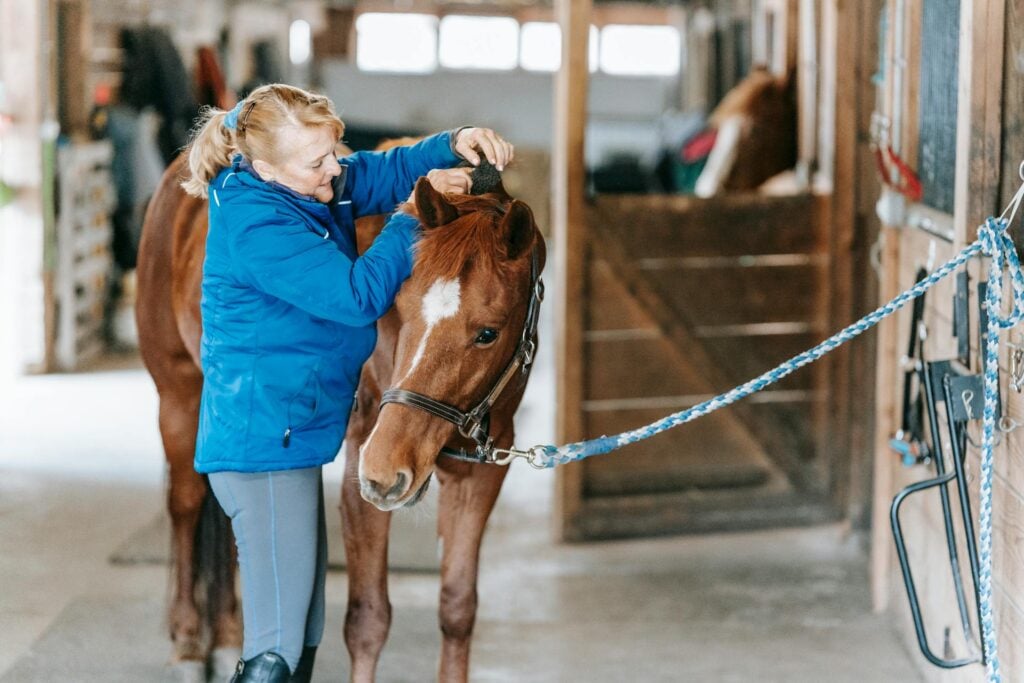
Question: What Are the Must-have Amenities for the Equestrian Homeowner? Answer: Must-have amenities for the equestrian homeowner include a well-equipped barn with water and power, securely fenced paddocks, and dedicated storage for hay and tack. A riding arena, preferably indoor for the Canadian climate, sufficient acreage with proper zoning, and good trailer access are also […]

Why Are Water Source and Drainage Critical on Equestrian Properties?
Question: Why Are Water Source and Drainage Critical on Equestrian Properties? Answer: Reliable water is essential for horse health and daily barn tasks. Proper drainage prevents muddy, unsafe conditions that cause hoof issues and is vital for managing manure runoff to protect water sources, ensuring a safe, compliant, and sustainable property under provincial environmental regulations. […]

What Are the Best Types of Fencing for Horse Farms?
Question: What Are the Best Types of Fencing for Horse Farms? Answer: The best types of fencing for horse farms prioritizes safety and visibility. Top choices include sturdy wood board, low-maintenance vinyl, and no-climb woven wire. These are durable for Canadian weather and designed to prevent injury, ensuring horses are securely contained on your property. […]

Which Is Better for My Equestrian Needs: an Indoor Arena vs Outdoor Ring?
Question: Which Is Better for My Equestrian Needs: an Indoor Arena vs Outdoor Ring? Answer: An indoor arena offers year-round usability, essential for training through Canadian winters, but requires a significant investment. An outdoor ring is a more budget-friendly option, though its use is limited by weather and seasons. Your choice depends on your budget […]

What Are the Different Equestrian Property Classifications in Ontario?
Question: What Are the Different Equestrian Property Classifications in Ontario? Answer: Equestrian property classifications in Ontario are primarily classified by municipal zoning and use. Common types include personal hobby farms, typically under Agricultural or Rural zoning, and commercial operations like boarding stables, training facilities, or breeding farms, which require specific commercial-agricultural zoning to operate legally. […]
What Are the Essential Features for a Safe and Functional Horse Barn?
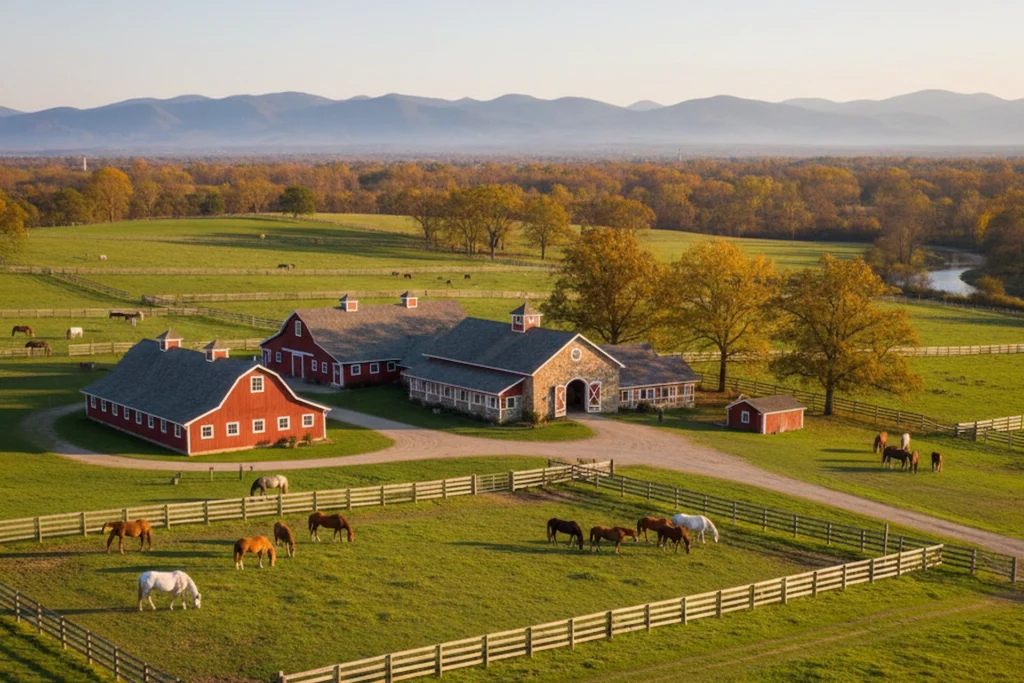
Question: What Are the Essential Features for a Safe and Functional Horse Barn? Answer: Essential features for a safe and functional horse barn include excellent ventilation, non-slip flooring, and safe stalls. Also crucial are protected electrical wiring, frost-free water access, and secure, separate storage for hay and feed, all compliant with local building and fire […]
What Should I Know About Zoning and Agricultural Exemptions for Equestrian Properties in Ontario?
Question: What Should I Know About Zoning and Agricultural Exemptions for Equestrian Properties in Ontario? Answer: In Ontario, municipal zoning bylaws govern horse numbers and permitted uses, like personal versus commercial boarding. While some equestrian operations can qualify for the Farm Property Class Tax Rate Program, specific income requirements apply. Always confirm local regulations for […]

How Many Horses Can You Put on 20 Acres?
Question: How Many Horses Can You Put on 20 Acres? Answer: While a general guideline is 1-2 acres per horse, suggesting you can put 10-20 horses on 20 acres, the definitive number is dictated by local municipal bylaws. Factors like pasture quality and land use also play a critical role. Always verify local zoning regulations […]

How to Find Local Trail Systems for Equestrians in Dufferin County?
Question: How to Find Local Trail Systems for Equestrians in Dufferin County? Answer: There are several resources to explore to find local trail systems for equestrians in Dufferin County. Check the Dufferin County Forest website for designated horse trails. Local groups like the Dufferin Headwaters Horsemen’s Association, conservation authorities, and the Ontario Trails Council also […]
What Is the Minimum Acreage to Own a Horse?
Question: What Is the Minimum Acreage to Own a Horse? Answer: There is no universal minimum acreage to own a horse farm, as it’s dictated by municipal by-laws. While a general guideline is 1-2 acres of quality pasture per horse, zoning regulations vary. Always check the specific property’s by-laws to ensure keeping horses is permitted […]
What Is an Equestrian Tie Property?
Question: What Is an Equestrian Tie Property? Answer: An Equestrian Tie Property has a legal restriction, often a zoning by-law, that ties the occupancy of its residence to the operation of an equestrian facility on the land. The occupant must be directly involved with the horse-related business located on the same property. Understanding the Equestrian […]
How to Buy an Equestrian Property?
Question: How to Buy an Equestrian Property? Answer: To buy an equestrian property partner with a realtor specializing in rural properties. You must verify zoning bylaws, assess land drainage and pasture quality, and thoroughly inspect infrastructure like barns and fencing. Ensure the property and its water supply can support your specific needs and comply with […]

Roof Maintenance for Property Owners
Roof Maintenance Essentials Your roof does more than just cover your house; it shields you daily from harsh weather. It blocks rain, snow, and intense sunlight, protecting you, your belongings, and your business. Unfortunately, many people neglect their roofs until damage occurs. Skipping basic care can lead to costly problems. Even small cracks can cause […]

What is the Difference Between a Home Appraisal and Inspection?
Question: What is the Difference Between a Home Appraisal and Inspection? Answer: An appraisal determines a home’s market value, while an inspection assesses its physical condition. Appraisals are for lenders, inspections are for buyers. Home Appraisals vs Home Inspections Buying or selling a home involves important steps. Two key processes are the home appraisal and […]

What Happens if Major Issues Are Found During the Inspection?
Question: What Happens if Major Issues Are Found During the Inspection? Answer: What happens if major issues are found depends on the contract. Buyers may renegotiate, request repairs, or terminate the agreement. Sellers may offer concessions or complete repairs. A Home Inspection: Uncovering Potential Problems A home inspection is an important step in the home-buying […]