
Real Estate News: The Latest, Top Articles in Ontario Canada
Get the most recent real estate news and real estate trends to hit Ontario's housing industry.
Best of Real Estate Articles

The Role and Requirements of Realtors
What a Realtor Does For You Many people use the terms “real estate agent” and “Realtor” interchangeably. While the terms are related, they hold a key distinction. Understanding the Role and Requirements of Realtors helps you choose the right professional for your property journey. Every home buyer and seller should know who they are working […]

Realtor Fees and Commissions
Understanding Real Estate Agent Fees and Commissions The complexity of realtor fees and commissions can feel overwhelming for both first-time buyers and seasoned property investors. However, it is an essential part of the real estate process that we cannot ignore. In this article, we will guide you through the intricate web of these fees and […]

Relocation Information
Information and Services for Your Move Moving to a new area presents a unique set of opportunities and challenges. You are not just buying a new property; you are choosing a new lifestyle, community, and future. The process requires careful planning and access to the right resources. Expert relocation information and services provide the support […]

Luxury Properties
Luxury Property Sales and Marketing Selling a high-value home requires a distinct and sophisticated approach. The standard methods used for typical properties are often insufficient for the premium market. A successful transaction depends on a deep understanding of the affluent buyer, impeccable presentation, and a precisely executed plan. Effective luxury property sales and marketing combine […]

Realtor Selection and Relationship
Realtor Selection and Relationship – Creating a Successful Partnership Choosing a realtor is more than a simple decision—it is a strategic maneuver in the journey of real estate. An adept realtor holds the power to simplify the process of buying or selling a home, to ensure you get the best deal possible, and to convert […]

Divorce and Separation Real Estate
Property Considerations in Separation and Divorce Going through a divorce is a challenging and emotional process, and navigating property matters during a separation and divorce can add another layer of complexity. Divorce real estate agents specialize in working with these sensitive situations, assisting both parties in reaching a fair and equitable resolution. This article will […]

Rural Real Estate
Achieving Your Goals in the Country Property Market Many people dream of living in the countryside. They desire more space, a closer connection to nature, and a peaceful environment. Buying or selling property outside the city presents unique opportunities and challenges. Unlike urban transactions, rural real estate involves considerations like land use, private services, and […]

Investment Properties
Understanding the Investment Property Market Investing in real estate is a powerful method for building long-term wealth. Many people use property to generate passive income and secure their financial future. Success in this area requires knowledge and a clear plan. Understanding the investment property market is the first and most critical step. This market has […]

Commercial Real Estate
Your Commercial Real Estate Potential Commercial real estate professionals are your dedicated allies, expertly guiding you through every step of buying, selling, and leasing commercial properties. These specialists bring a wealth of skills, deep market knowledge, and invaluable resources to the table, ensuring a smooth and successful navigation of even the most intricate commercial real […]

Retirement Real Estate
Helping You Find the Perfect Home for Your Retirement Retirement marks a new chapter in your life. It is a time for new adventures, hobbies, and relaxation. A key part of this transition is deciding where you will live. Your current home may have served your family well for years, but your needs change over […]
Estate Sale Real Estate
Estate Sale Experts Can Simplify Your Property Liquidation Clearing a home is a significant undertaking. You may face this task when downsizing, managing an inheritance, or helping a loved one move. The process involves sorting through a lifetime of possessions. Each item holds a memory or a question about its value. This emotional and physical […]

First Time Home Buyers
Real Estate Information for First-Time Home Buyers Buying your first home is a significant milestone. You likely have many questions about the process. This article provides clear first time home buyer real estate info to help you feel confident. We will break down the home buying journey into simple, manageable stages. From understanding your finances […]
Latest Articles: Everything Real Estate
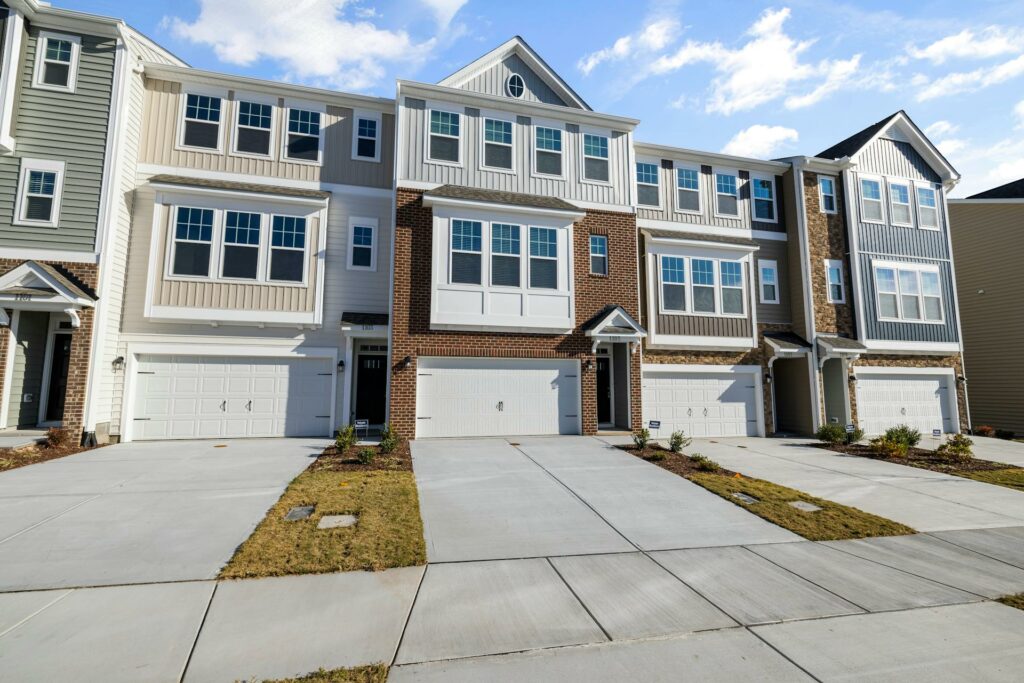
What is the Difference Between a Duplex and a Townhouse in Canada?
Question: What is the Difference Between a Duplex and a Townhouse in Canada? Answer: Differences between and duplex and a townhouse in Canada include: A duplex is a building with two separate dwelling units, either side-by-side or stacked. A townhouse is one of a row of similar units, each with its own entrance and shared […]
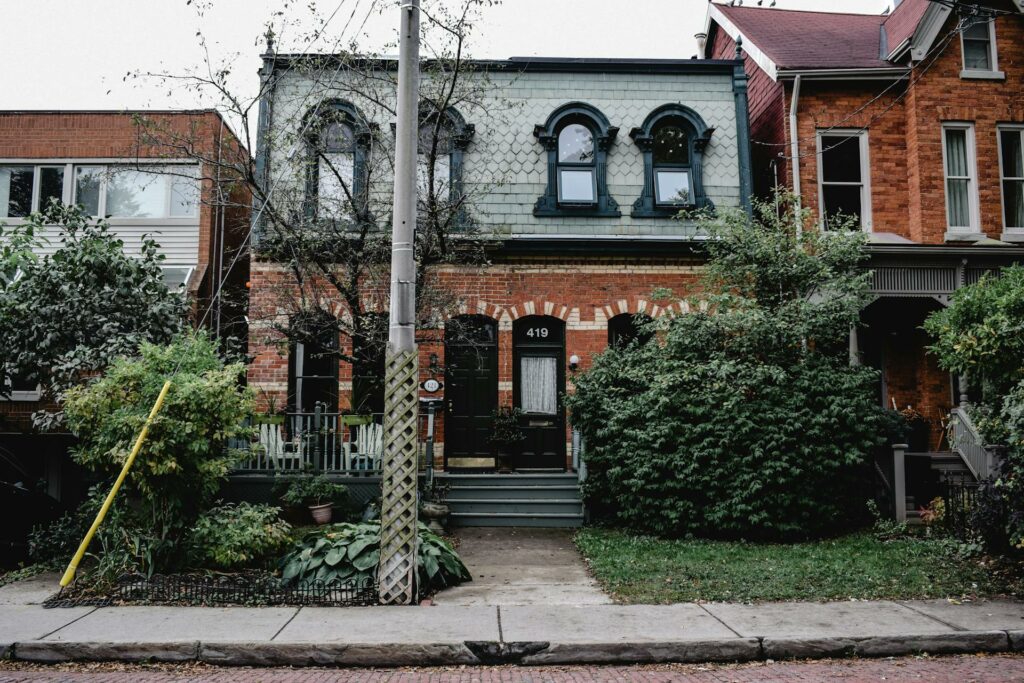
What is a Semi-Duplex House?
Question: What is a Semi-Duplex House? Answer: A semi-detached house is one of a pair of houses built side-by-side, sharing a party wall. Each house has its own separate entrance, yard, and utilities, unlike apartments or townhouses. Understanding Semi-Duplex Houses Many prospective homeowners grapple with the nuances of different housing types. For example, the distinction […]
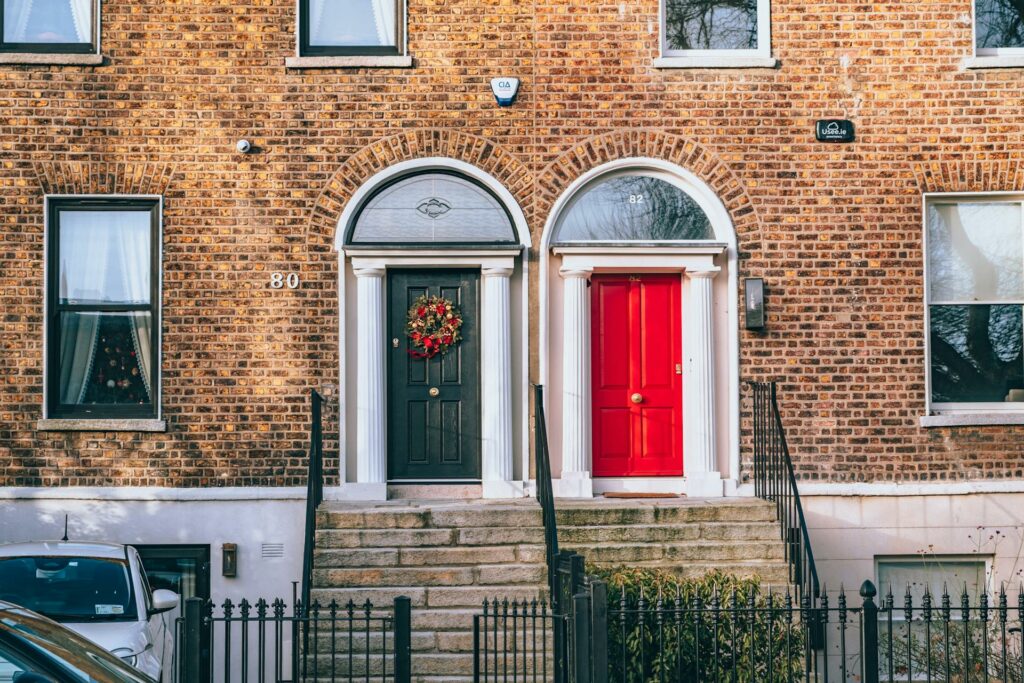
What is a Duplex in Canada?
Question: What is a Duplex in Canada? Answer: A duplex in Canada is a single building containing two separate dwelling units, each with its own kitchen, bathroom, and entrance. They can be side-by-side or one above the other. Understanding Duplexes in Canada Many Canadians seek diverse housing options, and duplexes frequently emerge as a popular […]

What are the Pros and Cons of a Duplex?
Question: What are the Pros and Cons of a Duplex? Answer: Some of the pros of a duplex include: Rental income potential, larger living space than an apartment, owner-occupied option. Some of the cons of a duplex include: Shared walls/noise, responsibility for maintenance/repairs, potential tenant issues. Exploring Duplex Living: An Investment and Lifestyle Choice Duplexes […]

What are the Different Types of Duplexes?
Question: What are the Different Types of Duplexes? Answer: Common types of duplexes include side-by-side, up/down, and stacked duplexes, as well as conversion duplexes (from larger homes) and detached duplexes (two separate structures). Exploring the Variety of Duplex Designs Duplexes offer versatile housing options, appealing to both investors and homeowners. What are the different types […]

Is Duplex the Same as Semi-Detached?
Question: Is Duplex the Same as Semi-Detached? Answer: No, a duplex is not the same as semi-detached. A duplex is a building with two separate living units, which can be attached (like a semi-detached) or detached. A semi-detached dwelling always shares a wall with one other dwelling. Duplexes vs Semi-Detached Homes Many people use the […]
Is a Duplex a Good Real Estate Investment?
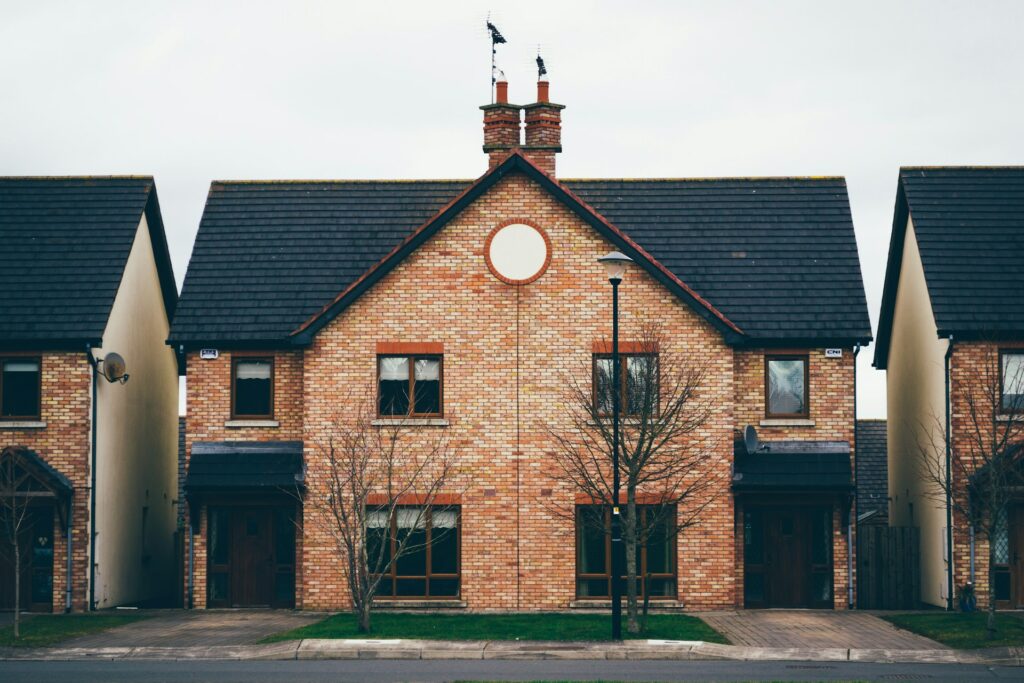
Question: Is a Duplex a Good Real Estate Investment? Answer: A duplex can be a good investment. It offers rental income potential and appreciation, while also allowing owner-occupancy. Careful market analysis and property management are crucial. Exploring Duplex Investments: A Path to Real Estate Success? Is a duplex a good real estate investment? Many investors […]
Are Townhouses and Duplexes the Same Thing?
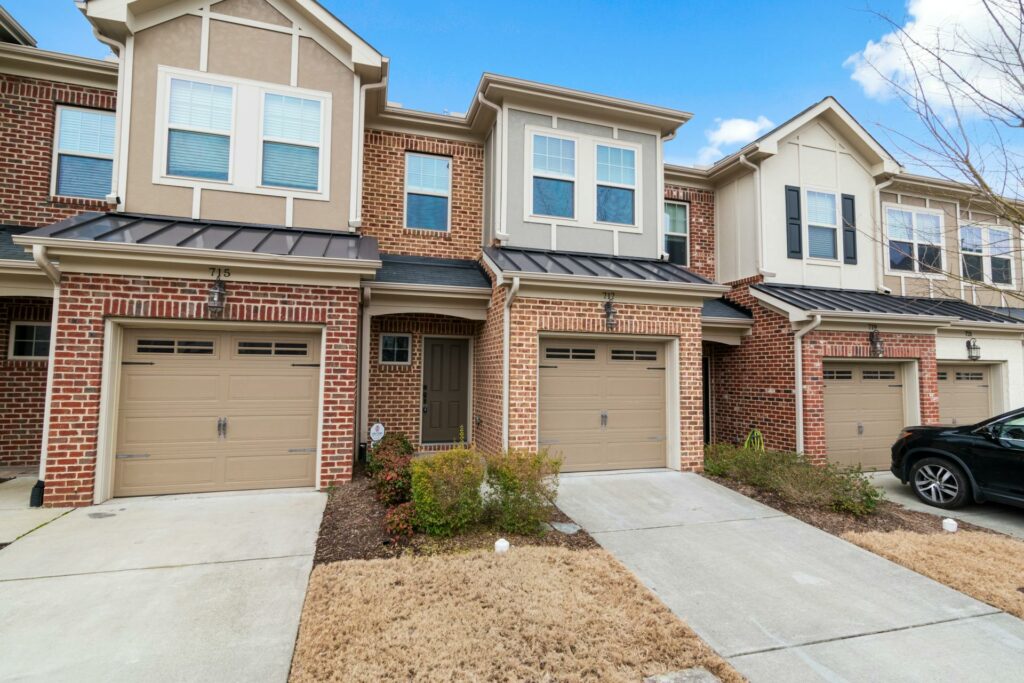
Question: Are Townhouses and Duplexes the Same Thing? Answer: No, townhouses and duplexes are not the same thing. Townhouses share a wall with other units in a row. A duplex is a building with two separate living units, either side-by-side or stacked. Understanding the Differences Between Townhouses and Duplexes Are townhouses and duplexes the same […]

Are Duplexes Good Rental Properties?
Question: Are Duplexes Good Rental Properties? Answer: Duplexes can be good rental properties. They offer multiple income streams while simplifying management, as both units are on one property. Exploring Duplex Investments: Are They Right for You? The question “Are duplexes good rental properties?” is a common one for aspiring real estate investors. Duplexes offer a […]
All About Duplexes
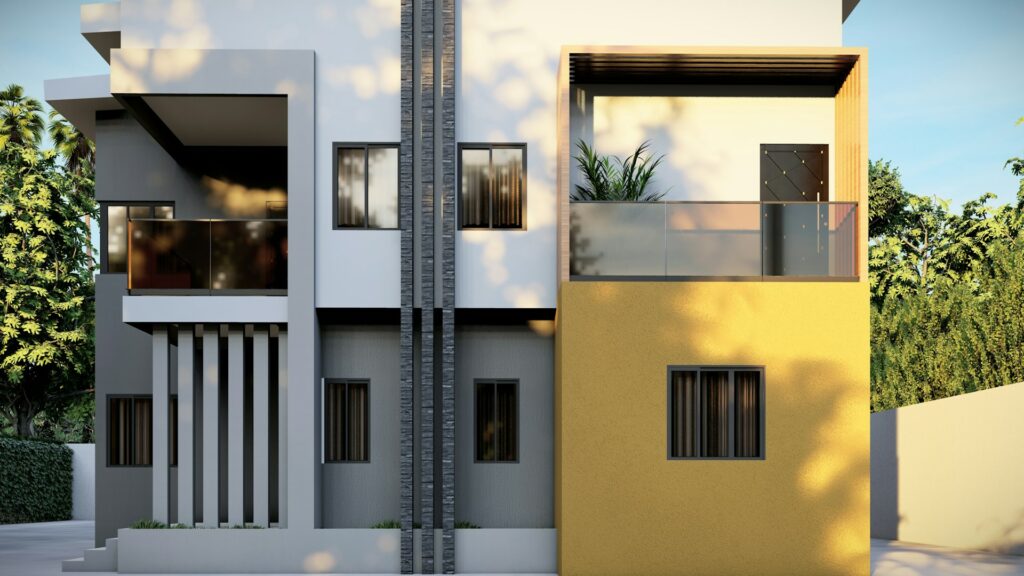
Understanding the Duplex: A Two-Family Home A duplex offers a unique housing solution, providing two separate living units within a single building. This configuration creates appealing opportunities for both homeowners and investors. Whether you envision living in one unit and renting the other or generating income from both sides, understanding the nuances of duplex ownership […]
Why Do They Call It a Townhouse?
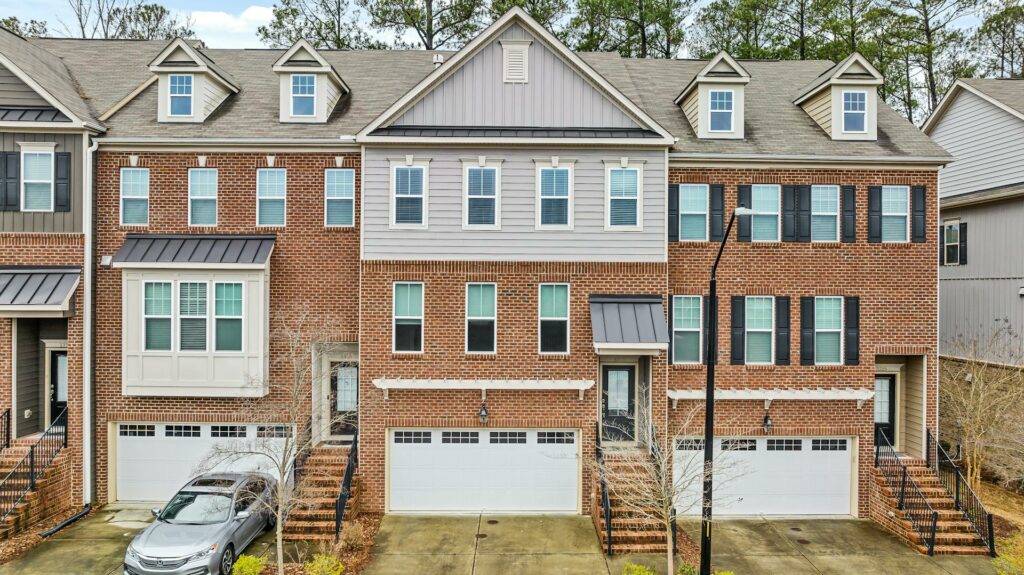
Question: Why Do They Call It a Townhouse? Answer: They call it a townhouse becasue historically, townhouses were the city residences of wealthy families who also owned larger country estates. “Town” referred to their urban location. Decoding the Term “Townhouse” Many people use the terms “townhouse,” “row house,” and even “brownstone” interchangeably. Subtle yet important […]

Who Owns the Land Around a Townhouse?
Question: Who owns the land around a townhouse? Answer: Who owns the land around a townhouse varies. It could be the homeowner, the homeowner’s association, or a combination depending on the specific townhouse development’s legal documents. Deciphering Townhouse Land Ownership Understanding land ownership in a townhouse community can be complex. Unlike detached homes where the […]
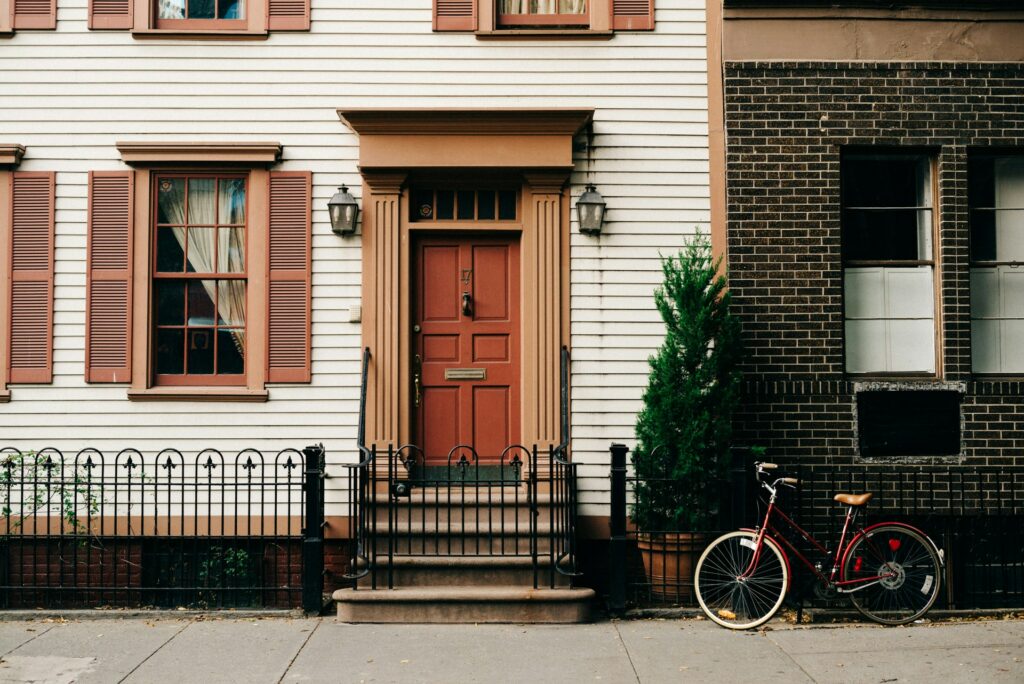
What is the Difference Between a Townhouse and a Semi-Detached?
Question: What is the Difference Between a Townhouse and a Semi-Detached? Answer: The difference between a townhouse and a semi-detached is a townhouse shares walls with multiple neighbors within a larger complex, while a semi-detached house shares only one wall with one direct neighbor. Townhouse vs. Semi-Detached Many prospective homeowners find themselves weighing the advantages […]

What is the Difference Between a Townhouse and a Detached House?
Question: What is the Difference Between a Townhouse and a Detached House? Answer: Differences between a townhouse and a detached home incdule: A townhouse shares one or more walls with adjacent properties, forming a row. A detached house stands alone on its own lot, with no shared walls. Townhouses vs Detached Houses What is the […]
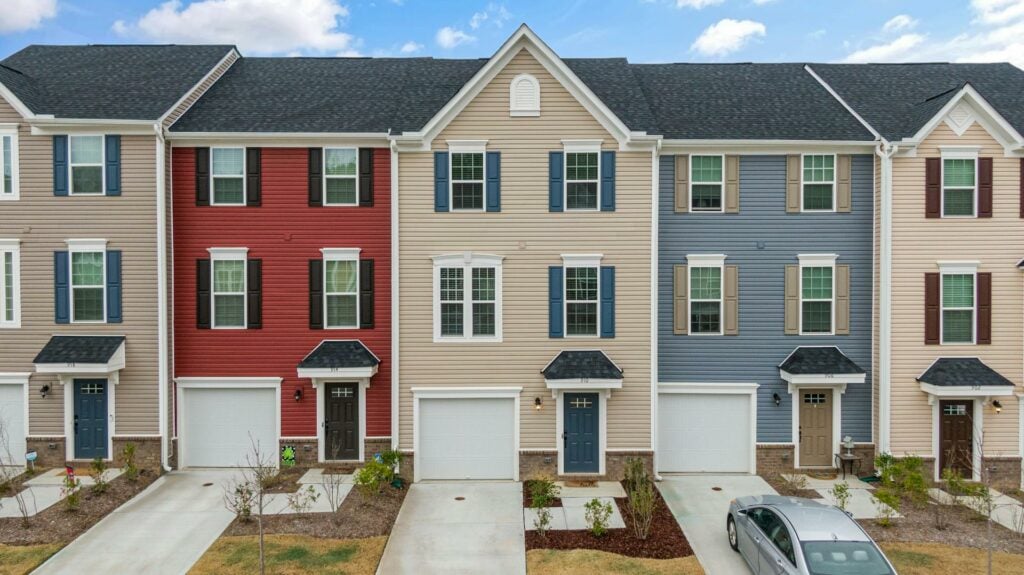
What is Between Townhouse Walls?
Question: What is Between Townhouse Walls? Answer: What is between townhouse walls depends on the construction. Typically, it’s a party wall consisting of fire-rated drywall, insulation, and possibly air gaps for sound dampening. What Lies Within Townhouse Walls? Sharing a wall with your neighbor is a hallmark of townhouse living. But have you ever stopped […]
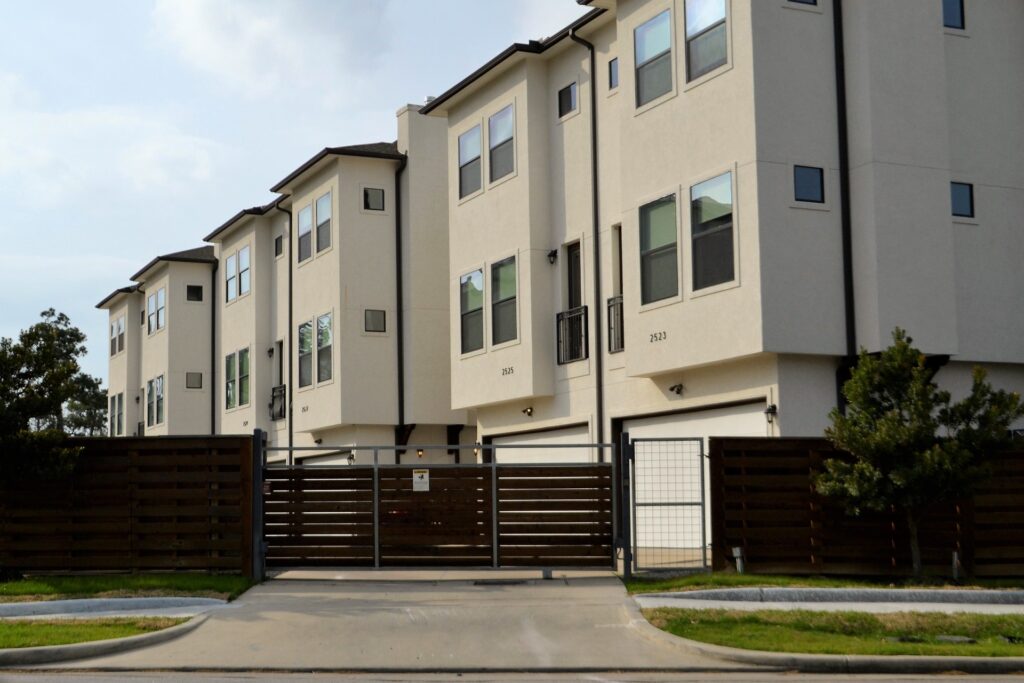
What is the Difference Between a Condo Townhouse and a Townhouse?
Question: What is the Difference Between a Condo Townhouse and a Townhouse? Answer: Differences between and condo townhouse and a townhouse include: A condo townhouse shares ownership of common areas and exterior maintenance with other unit owners, whereas a townhouse owner owns the structure and land it sits on. Condo Townhouse vs Townhouse Many prospective […]

What is an End Townhouse?
Question: What is an End Townhouse? Answer: An end townhouse is a unit located at the end of a row of townhouses. It typically shares one common wall with a neighboring unit but has windows and a yard on two sides, offering more privacy and natural light. Understanding the Appeal of End Townhouses It’s a […]
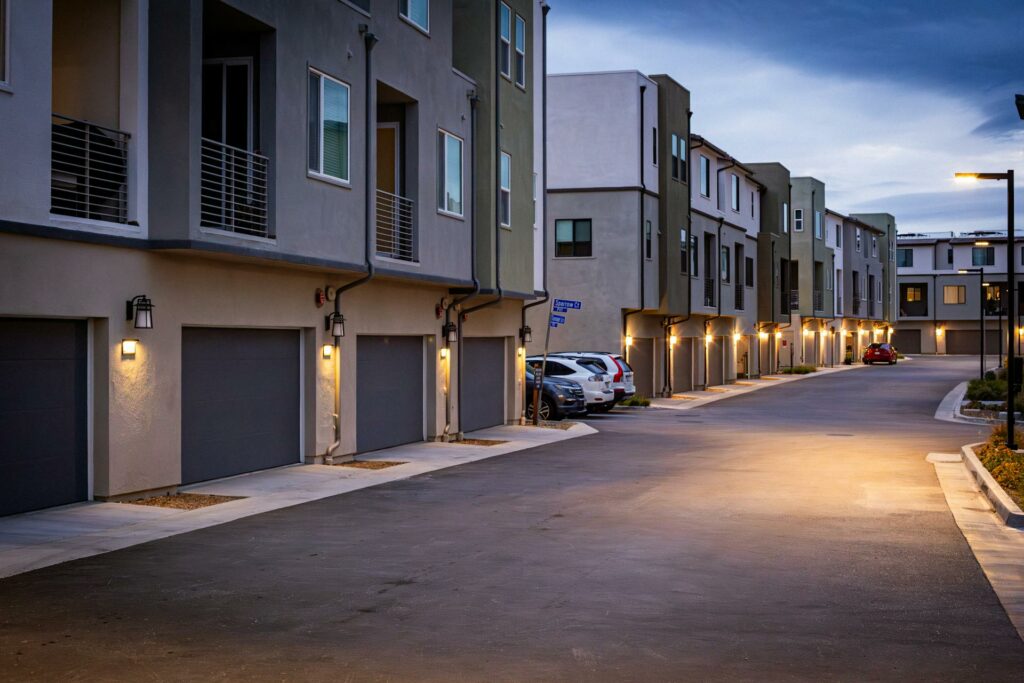
What is a Single Row Townhouse?
Question: What is a Single Row Townhouse? Answer: A single row townhouse is a type of residential building that shares walls with neighboring units, but only on one side, unlike townhouses in a double row. This provides more privacy and natural light. Understanding the Single Row Townhouse Townhouses offer a unique blend of privacy and […]
What is a Townhouse in Canada?
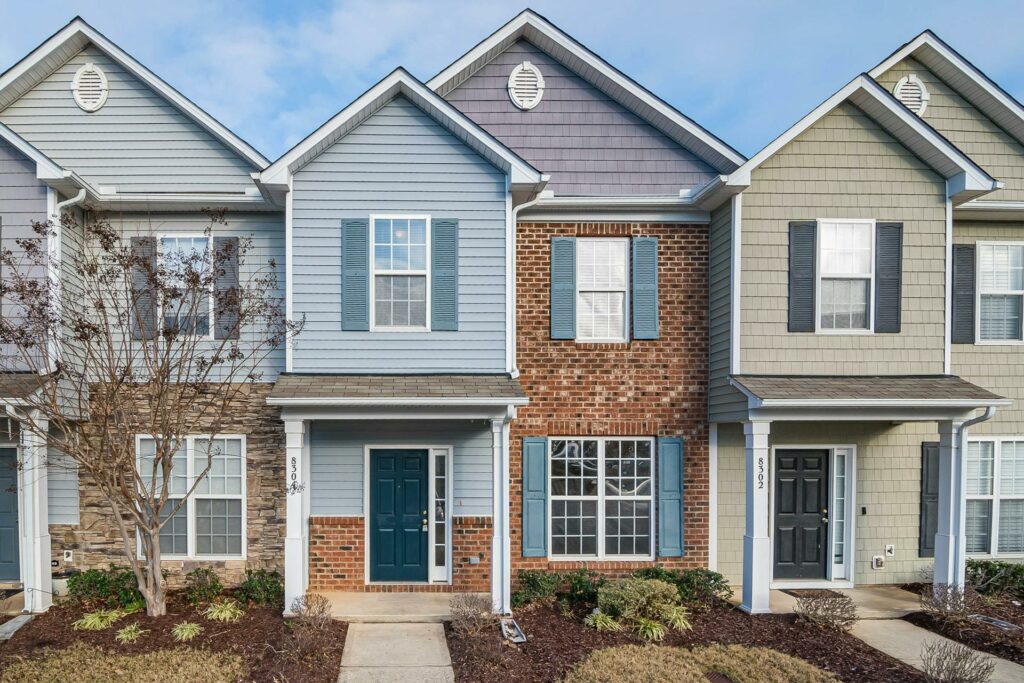
Question: What is a Townhouse in Canada? Answer: A townhouse in Canada is a multi-level, attached housing unit, sharing walls with adjacent units. It typically features private entrances and often includes small yards or patios. Ownership usually involves responsibility for exterior maintenance. Understanding Townhouse Living in Canada Canadians seeking a blend of affordability, space, and […]
What are the Pros and Cons of a Townhouse?
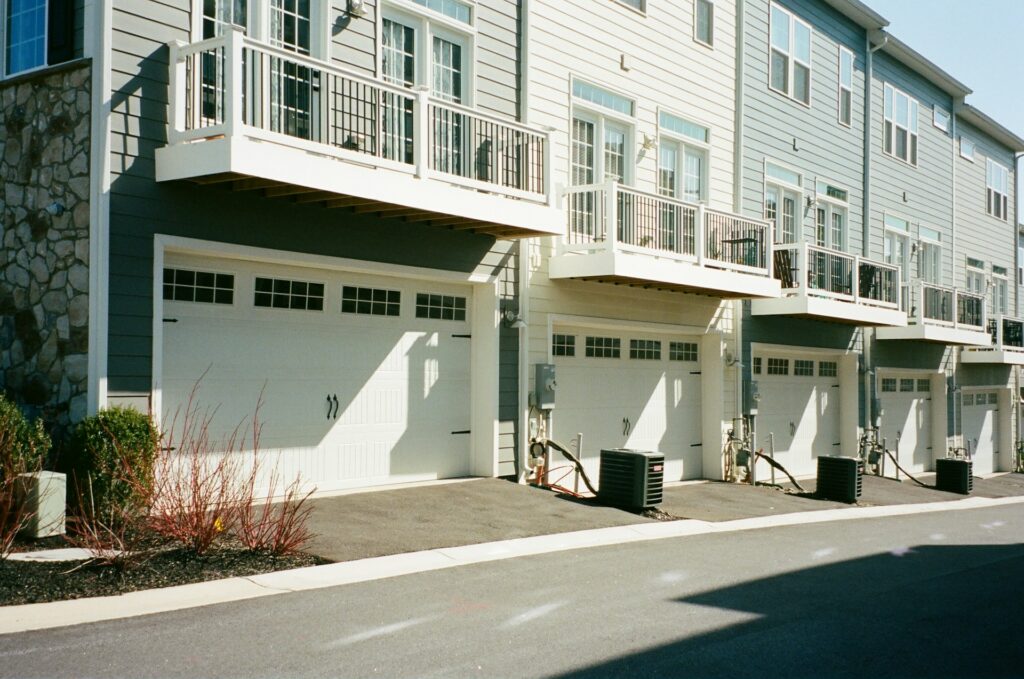
Question: What are the Pros and Cons of a Townhouse? Answer: Somof the pros of a townhouse include: Less maintenance than a house, often more affordable and they may offer amenities. Some of the cons of a townhouse include: Less privacy than a house, condo fees and limited outdoor space/customization. Exploring Townhouse Living Many individuals […]

What are the Benefits of a Townhouse Condo?
Question: What are the Benefits of a Townhouse Condo? Answer: Townhouse condos offer the benefits of homeownership with less maintenance. They often include amenities like pools and gyms, and may provide more living space than apartments for a comparable price. Exploring the Advantages of Townhouse Living The allure of homeownership draws many, yet the decision […]

What are the Disadvantages of a Condo Townhouse?
Question: What are the Disadvantages of a Condo Townhouse? Answer: Disadvantages of condo townhouses include condo fees, restrictive covenants limiting customization and pet ownership, shared walls potentially causing noise issues, and less privacy compared to detached homes. Weighing the Downsides: Condo Townhouse Living The allure of a condo townhouse often stems from its blend of […]
What are the Advantages of Renting a Townhouse?
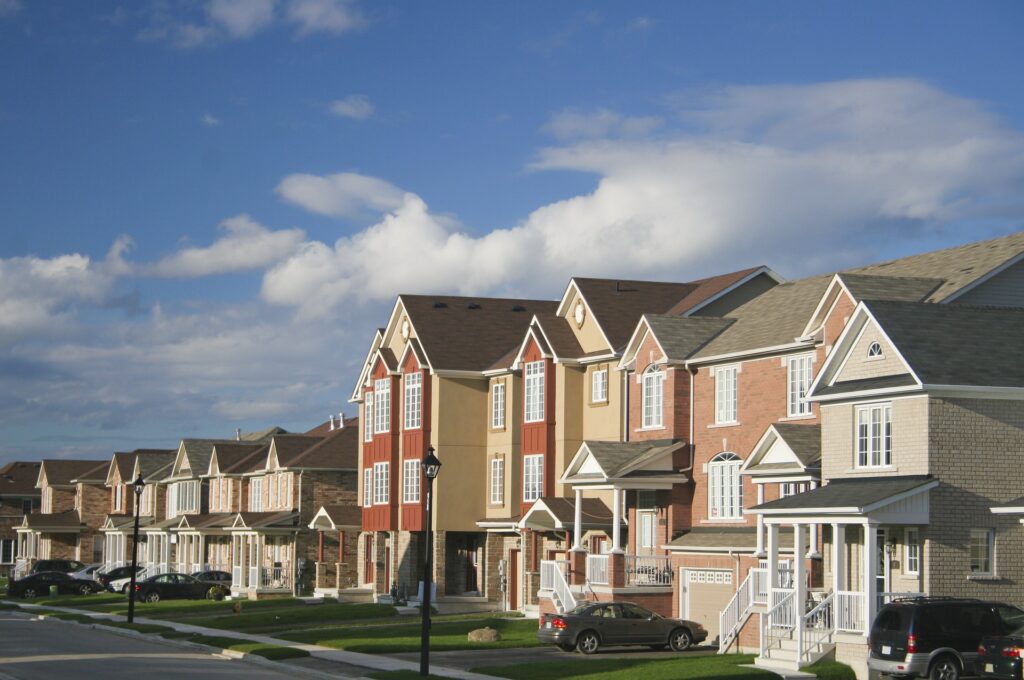
Question: What are the Advantages of Renting a Townhouse? Answer: Some of the advantages of renting a townhouse include that they may offer more space than an apartment, sometimes including amenities like a private patio or garage. It can also be more affordable than renting a detached house while still providing a sense of community. […]

What are the Advantages of Living in a Townhouse or Duplex?
Question: What are the Advantages of Living in a Townhouse or Duplex? Answer: Some of the advantages of living in townhouses and duplexes include that they often offer more space and privacy than apartments, with amenities like private yards or garages. They also typically come with a lower price tag than detached single-family homes. Townhouse […]
How Do I Block Sound in Townhouse?
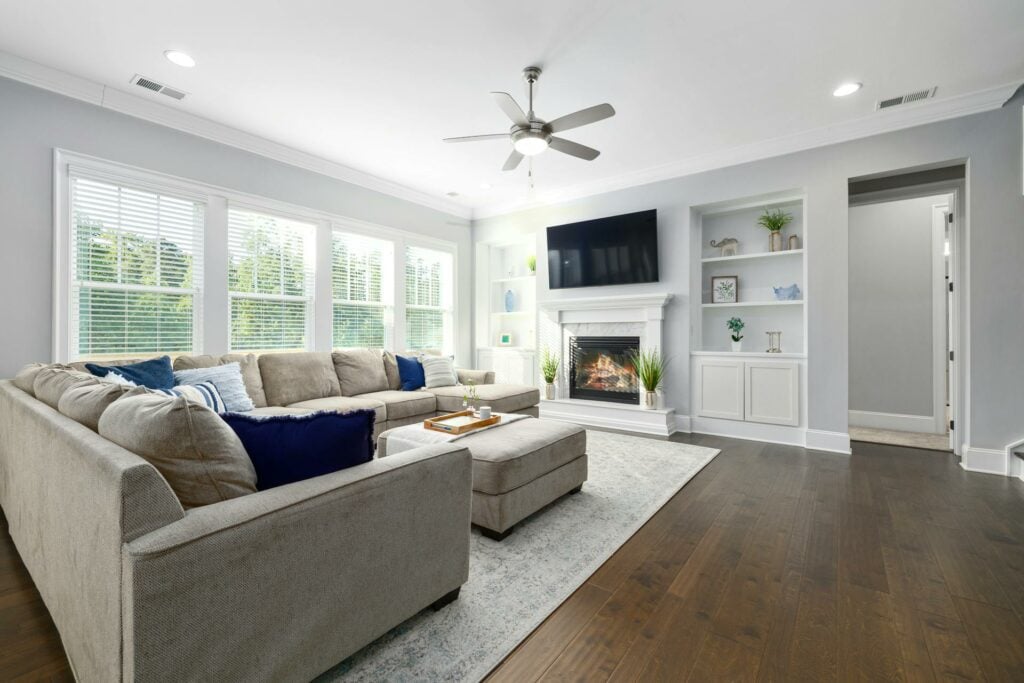
Question: How Do I Block Sound in Townhouse? Answer: To help block sound in a townhouse use thick curtains, rugs, weatherstripping, and bookshelves against shared walls. Consider acoustic panels or soundproofing insulation for best results. Silencing the City: Achieving Peace in Your Townhouse Townhouse living offers many advantages, yet shared walls often mean dealing with […]

Do Freehold Townhouses Have Maintenance Fees in Ontario?
Question: Do Freehold Townhouses Have Maintenance Fees in Ontario? Answer: No, most freehold townhouses in Ontario do not have maintenance fees. With freehold townhouses in Ontario you typically own the property your unit sits on as well as the unit itself with no shared amenities. Understanding Townhouse Ownership in Ontario Navigating the Ontario real estate […]

Are Walls Between Townhouses Soundproof?
Question: Are Walls Between Townhouses Soundproof? Answer: No, townhouse walls are typically not fully soundproof. While they offer some noise reduction, they are usually built to meet building code, not eliminate all sound. Townhouse Living and Noise Sharing walls with neighbors is a hallmark of townhouse living. This proximity, while offering numerous benefits, often raises […]

All About Townhouses
Understanding the Townhouse Lifestyle Townhouses offer a unique blend of single-family home living and the convenience of a more compact footprint. They appeal to a wide range of homeowners, from first-time buyers to empty nesters. This detailed exploration delves into their characteristics, benefits, and considerations for prospective buyers. This guide will equip you with the […]