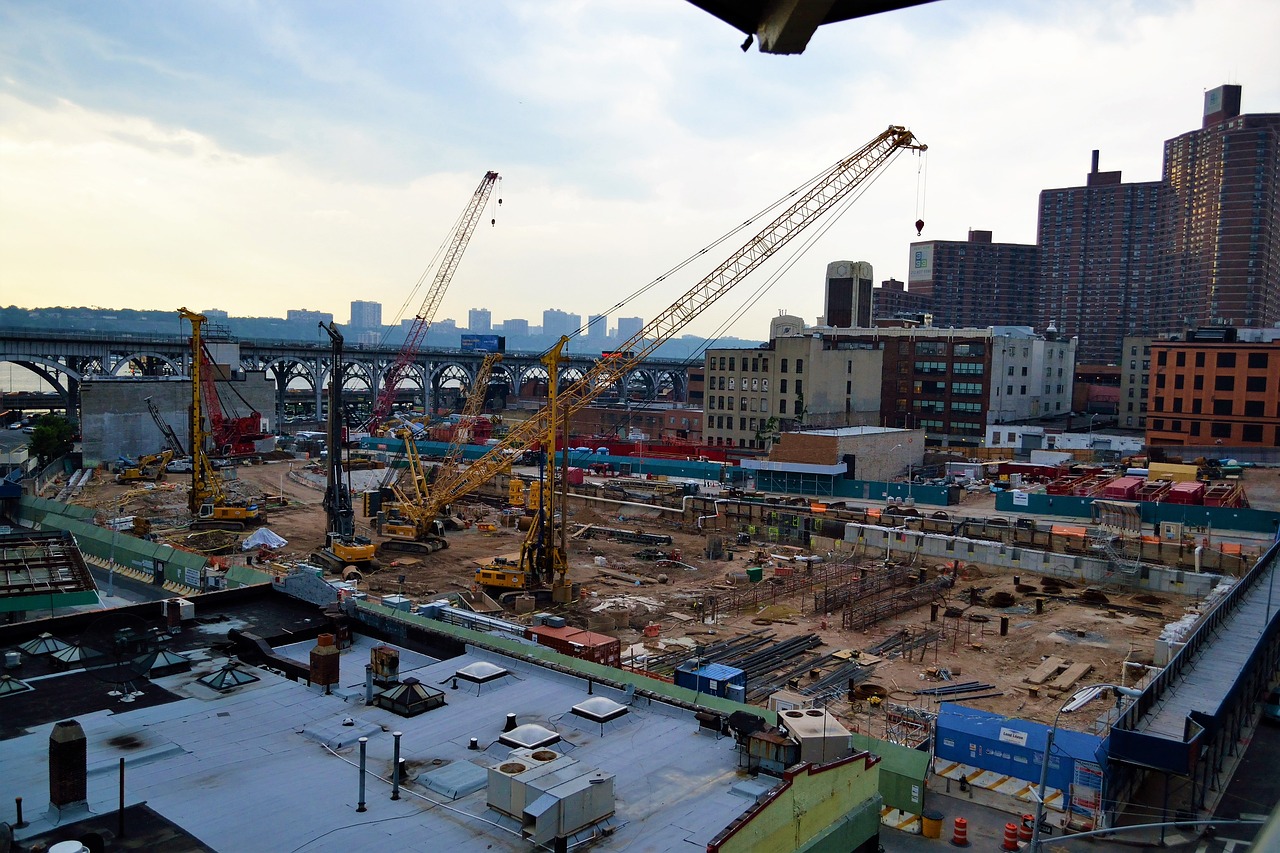

Gentrification and Its Meaning
The term gentrification often appears in discussions about urban development and real estate. Understanding the definition and meaning of gentrification is important for homeowners, renters, and investors. Gentrification describes a process of neighbourhood change. It happens when wealthier people move into lower-income areas. This influx of new residents often leads to significant economic and social shifts within the community. New businesses, such as cafes, boutiques, and art galleries, may open to cater to the new demographic. Property values and rents typically increase as demand for housing grows.
This transformation can bring positive changes. These include renovated buildings, improved public spaces, and a reduction in crime rates. However, the process also has complex and often controversial consequences. The rising cost of living can displace long-term, lower-income residents who can no longer afford the increased rent or property taxes. This displacement can alter the cultural fabric and social identity of a neighbourhood. Examining gentrification requires a balanced view that acknowledges both the revitalization it can bring and the challenges it creates for existing communities.
The Core Process of Neighbourhood Transformation
Gentrification does not happen overnight. It is a gradual process that unfolds in several distinct stages. Initially, a neighbourhood with low property values and a unique character might attract a small number of pioneers. These individuals are often artists, students, or young professionals drawn by affordable housing and the area’s authentic charm. They see potential where others might see neglect. Their presence begins to signal a shift, often bringing small-scale improvements and a new creative energy to the area.
As word spreads, more people from higher-income brackets become interested. Real estate developers and investors take notice of the growing demand. They begin buying and renovating properties, converting old industrial buildings into lofts or replacing modest homes with modern developments. This second wave of investment accelerates the change. Property values climb rapidly, and new businesses that appeal to the new residents start to replace long-standing local shops. The neighbourhood’s physical appearance and economic landscape are visibly altered during this phase, making it more attractive to an even wider group of affluent movers.
Click here for more information on how to get your house value
Related Article: The Effect of Neighbourhood Development on Property Values
Related Article: How Does Gentrification Affect Real Estate?
The Effects on Existing Residents and Communities
The impact of gentrification on a community is multifaceted and deeply personal for those who live there. One of the most significant consequences is the displacement of long-term residents. As property values and rents rise, many original inhabitants, particularly renters, seniors on fixed incomes, and low-wage workers, find themselves unable to afford to stay in their homes. This economic pressure can force families to leave a community they have known for generations, severing social ties and support networks. The loss of affordable housing is a critical issue that directly affects the stability of the community.
Beyond economic displacement, gentrification changes the social and cultural identity of a neighbourhood. Local businesses that have served the community for decades may be replaced by new establishments catering to the tastes and budgets of the new, wealthier residents. This can lead to a loss of cultural heritage and a sense of alienation among those who remain. The community’s character, once defined by its long-term residents, can feel diluted or erased. While new amenities and lower crime rates are often cited as benefits, these improvements can feel like they are not for the original community but for the newcomers who are supplanting them.
Related Article: What Are Three Negative Effects of Gentrification?
Related Article: What Are the Signs of Neighborhood Gentrification?
How Gentrification Reshapes the Real Estate Market
Gentrification fundamentally alters a neighbourhood’s real estate market. For property owners, the process can lead to a substantial increase in their home’s value. This appreciation of assets can create significant wealth for those who bought into the area before the transformation began. Homeowners may see their property equity grow much faster than the city average, providing new financial opportunities. This potential for high returns attracts real estate investors, from individuals flipping houses to large corporations developing multi-unit buildings. This influx of capital fuels further development and price increases.
However, this same dynamic creates challenges for others. For renters, gentrification means rapidly rising rents that can become unaffordable. Landlords may increase rent to match the changing market or to finance property upgrades, pushing out tenants who cannot keep up. First-time homebuyers also face barriers, as entry-level prices in gentrifying areas can quickly move out of reach. The housing stock itself often changes, with a trend toward developing luxury condos and high-end rentals rather than affordable family homes. This shift in the market can limit housing options for moderate and low-income individuals, changing the demographic makeup of the neighbourhood for good.
Community and Policy Responses to Neighbourhood Change
Communities and local governments are exploring various strategies to manage the effects of gentrification. The goal is often to encourage investment and revitalization without causing widespread displacement. Municipal governments can implement policies designed to protect vulnerable residents. These policies might include rent control measures that limit how much a landlord can increase rent each year. Inclusionary zoning is another tool, requiring developers to set aside a certain percentage of units in new projects as affordable housing. These measures aim to maintain a mix of income levels within a changing neighbourhood.
Community-led initiatives also play a crucial role. Residents can form tenant associations to advocate for their rights and negotiate collectively with landlords. Community land trusts are an innovative model where a non-profit organization owns land and sells or rents the homes on it at affordable rates, ensuring long-term affordability. Supporting local businesses owned by long-term residents helps preserve the neighbourhood’s economic and cultural fabric. By combining protective government policies with proactive community action, it is possible to guide neighbourhood change in a way that benefits both new and existing residents, fostering more equitable and inclusive communities.
Related Article: Does Gentrification Help or Harm Neighbourhoods?
Related Article: What Are the New Forms of Gentrification?
Final Thoughts on a Complex Urban Phenomenon
Gentrification is a powerful force that reshapes urban landscapes. It is not a simple story of good or bad, but a complex process with a wide range of outcomes. On one hand, it can breathe new life into neglected areas, bringing investment, improved infrastructure, and new amenities that can benefit everyone. The renewal of housing stock and the reduction of vacancy rates are tangible positives. For property owners, the financial gains can be life-changing, providing a return on their long-term investment in their community. These aspects highlight the potential for positive urban renewal.
On the other hand, the human cost of displacement and the erosion of cultural identity cannot be ignored. The loss of community for long-term, lower-income residents is a profound challenge that raises questions about equity and the right to the city. As our cities continue to grow and change, the conversation about gentrification becomes more important. Finding a balance that allows for neighbourhood improvement while protecting vulnerable populations is the central challenge. This requires thoughtful planning, compassionate policies, and active community engagement to create cities that are both prosperous and inclusive for all residents.