

Question: What Is the Most Expensive Thing to Fix in a House?
Answer: Foundation issues are typically the most expensive thing to repair in a house. Problems like cracking or sinking can require extensive excavation and engineering, often costing tens of thousands to ensure the home’s structural integrity. Complete roof or septic system replacements are also major, high-cost projects for any homeowner.
Your Home’s Most Costly Repairs
Homeownership offers stability but also involves maintenance and unexpected repairs. Many costs are small, like fresh paint. Other problems carry budget-breaking price tags. Prospective buyers and current homeowners often ask, what is the most expensive thing to fix in a house? The answer is not one specific item. Instead, several major systems can fail and lead to enormous repair bills. These issues can affect a home of any age or style.
These major expenses often hide deep within the home’s core systems. They exist in the foundation, the roof, and inside the walls. A ceiling stain can signal a big roof problem. A musty basement smell may point to a foundation crack or a serious mould issue. Understanding these potential costs is vital. It helps homeowners budget and buyers inspect homes thoroughly. This knowledge protects your large investment and provides peace of mind.
Foundational Flaws and Structural Integrity
A home’s foundation is its structural base. Foundation problems are among the most severe and costly repairs. The issues often start small. You may see small exterior cracks in concrete or brickwork. Doors and windows might begin to stick or fail to close properly. These signs can worsen over time, leading to sloped floors and large cracks in interior walls. These are symptoms of a foundation that is settling, shifting, or failing.
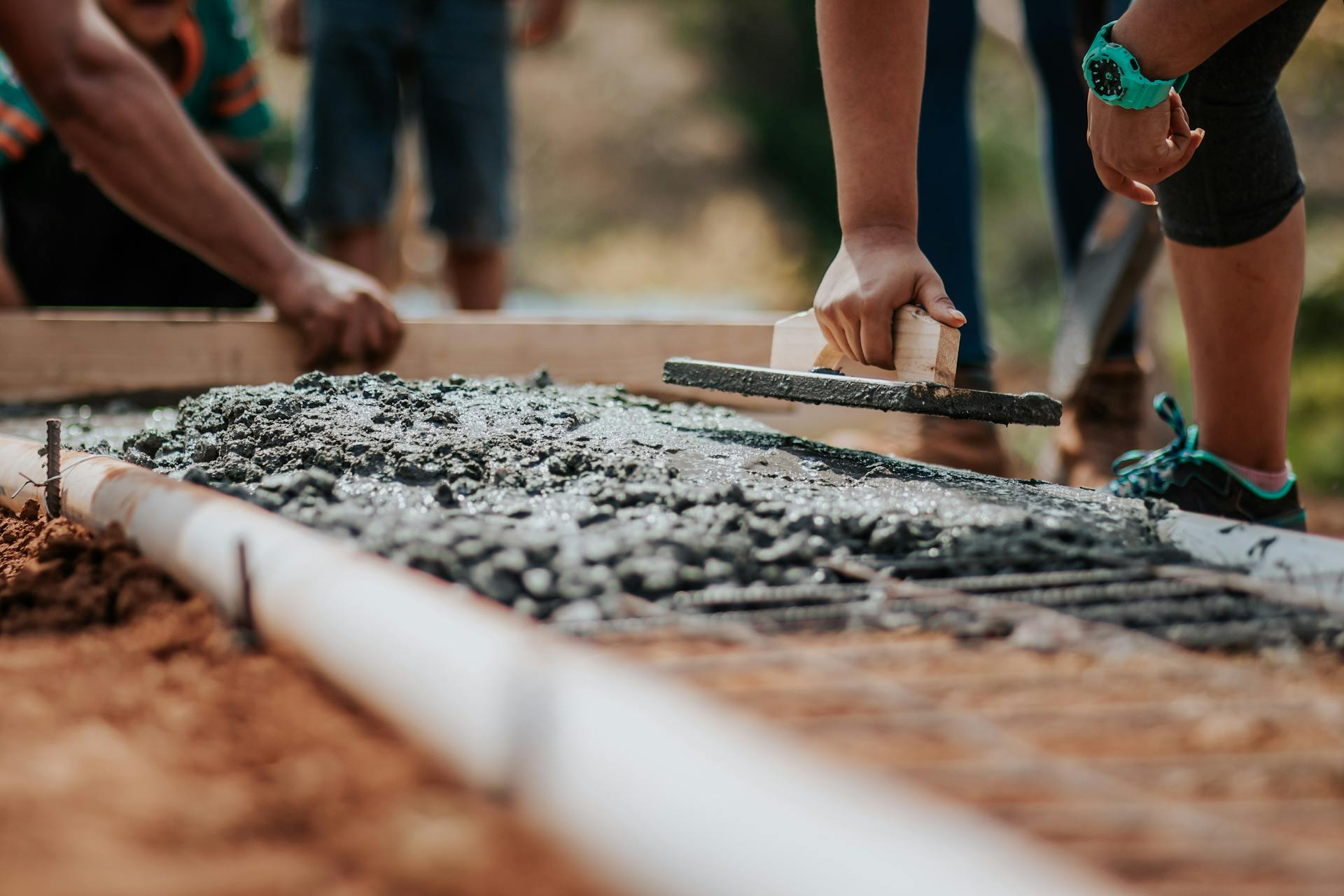
Poor soil, bad drainage, and large tree roots all cause foundation damage. Water is a primary culprit. It erodes soil under the foundation, causing parts of the home to sink. The freeze-thaw cycle in colder climates also puts immense stress on concrete walls. Fixing these problems is a complex job for specialists. Professionals install steel piers to lift the house. They also excavate to seal cracks and waterproof walls. The costs for these extensive repairs can easily climb into the tens of thousands of dollars.
Click here to find out how much your home is worth
Related Article: What Is the Most Expensive Part of a House Extension?
Related Article: What Room Is the Most Expensive To Renovate?
Managing Water, Mould, and Drainage
Water damage has many sources besides a leaky roof. Burst pipes, failed sump pumps, or leaky appliances can flood a room or basement. The cost includes water extraction and professional drying. You must then replace damaged drywall, flooring, and insulation. A serious basement flood can lead to a repair bill that exceeds $10,000. Insurance policies may not cover every type of flood damage, leaving you with the full expense.
Mould often follows water damage. Mould is a health hazard that needs professional remediation. This process is expensive and disruptive. Technicians contain the area to stop spores from spreading. They use air scrubbers and remove all contaminated materials. Improper drainage around the home creates many of these water issues. If the ground slopes toward the house, water will pool against the foundation. Clogged weeping tiles also trap water, which can then seep into your basement and start the cycle of damage.
Updating Critical Electrical Systems
A home’s electrical system is a major fire hazard if faulty. Older homes often have outdated wiring like knob-and-tube or aluminum. These systems are unsafe and cannot handle modern power demands. Many insurance companies refuse to cover homes with this old wiring. This situation forces a mandatory and very expensive upgrade. This makes it one of the most urgent, high-cost repairs a homeowner might face, especially when buying an older property.
Rewiring a house is a major job. Electricians open walls to replace circuits. This process requires later drywall repair and painting, which adds to the cost and time. Another frequent electrical expense is a service panel upgrade. Old 60-amp panels cannot support modern appliances. An upgrade to a 200-amp panel provides safe, adequate power. A complete rewire can cost over $15,000. A panel upgrade is less, usually costing a few thousand dollars.
Addressing Major Plumbing and Sewer Issues
A home’s plumbing network is hidden in walls and floors. It connects to a main sewer line that removes waste from your property. A failure in this hidden system is a costly disaster. Old steel or iron pipes corrode and burst. This causes extensive water damage within walls. Replacing all the supply pipes in a house, known as a re-pipe, is a major project. It involves opening walls and floors throughout the home to access the old plumbing.
The main sewer line is vulnerable to tree roots. Roots enter pipes and cause sewage backups. Old clay sewer pipes can also collapse under the ground. Repairing the sewer line is extremely expensive. The traditional method requires digging a large trench in your yard. Newer trenchless methods are less destructive to your lawn but are still very costly. Homeowners can expect to pay anywhere from $5,000 to $25,000 for this single repair, depending on the severity and method used.
Replacing Your Home’s HVAC System
The HVAC system controls your home’s comfort. It keeps you warm during winter and cool during summer. These systems work hard and usually last about 15 to 20 years. A furnace or AC failure often happens during extreme weather. A replacement becomes a necessity, not a choice. A replacement is a high-cost item. Trying to repair an old, inefficient unit is often not a smart financial decision compared to investing in a new system that will last for years.
Replacing an HVAC component is expensive. A new high-efficiency furnace typically costs between $4,000 and $8,000 with installation. A new central air conditioner has a similar price. Many homeowners replace both the furnace and air conditioner at once for optimal performance and efficiency. The total cost is based on your home’s size and the unit’s efficiency rating. The high upfront cost is offset by future reliability and lower monthly energy bills.
Protecting Your Investment from Major Costs
A home’s most expensive repairs are its core systems. These systems keep your home safe, dry, and comfortable. Foundation issues, a new roof, major water damage, an electrical rewire, a sewer line failure, or a full HVAC replacement are all huge financial events. These problems can even be connected. A bad roof causes a leak, which can lead to mould growth. Faulty drainage can put pressure on a foundation, causing it to crack. These examples show the importance of a detailed assessment of a home’s condition.
A professional home inspection uncovers these hidden costs before you buy. An inspector identifies the early warning signs of major system failure. This information gives you the power to negotiate repairs with the seller or to walk away from a bad investment. For current homeowners, proactive maintenance is key. Inspect your roof, clean your gutters, and service your HVAC system annually. Monitor your basement for moisture. Catching a small issue early can save you from a massive repair bill later. This diligence protects your biggest asset.