
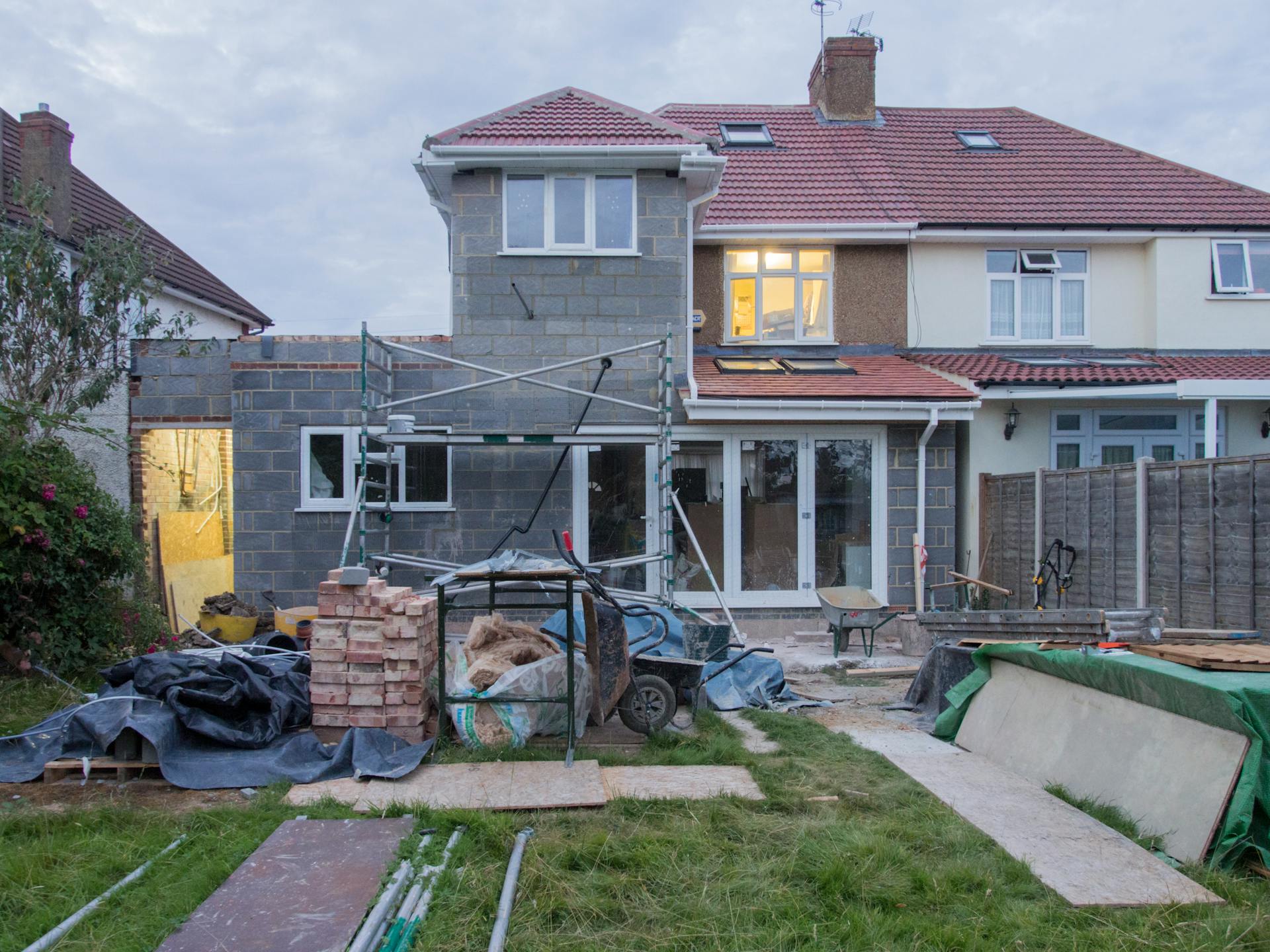

Question: What Is the Most Expensive Part of a House Extension?
Answer: The most expensive part of a house extension is often the kitchen or bathroom. While foundation and structural work are significant, adding a kitchen or bathroom is often the costliest. The combined expense of specialized trades like plumbing and electrical, plus high-cost cabinetry, fixtures, and appliances, typically forms the largest budget item.
Pinpointing the Biggest Expense in a Home Addition
Expanding your home is an exciting project. You envision more space for your family, a modern kitchen, or a new main-floor bedroom. Before you begin, you likely wonder about the budget. Many homeowners may wonder what the most expensive part of a house extension is. The answer often depends on the type of extension you build. A simple room addition will have a different cost profile than a two-storey expansion with a new bathroom. Understanding the cost breakdown is the first step toward a successful project.
Several major components contribute to the final price tag. These include structural work, mechanical systems, and finishes. Labour costs also represent a significant portion of the total budget. This article breaks down each major expense. We will explore where your money goes during a home extension. This knowledge helps you plan your budget effectively and make informed choices with your contractor. It empowers you to create a space that meets your needs and enhances your property’s value.
The Unseen Costs Below Ground
The foundation is the base of your entire extension, and it carries a substantial cost. You cannot see most of this work once the project is complete, but it is critical for the structure’s stability. The process begins with excavation. Heavy machinery digs out the earth to the required depth, a task that becomes more expensive with difficult soil conditions or limited site access. After excavation, workers build forms and pour concrete to create the footings and foundation walls. This work requires precision and is labour-intensive.
The type of foundation you choose greatly impacts the cost. A simple concrete slab is the least expensive option. A crawl space offers more utility but costs more to build. A full basement provides valuable living space but is the most expensive choice by a wide margin. It involves deeper excavation, more concrete, waterproofing, and drainage systems. Beyond the new foundation, your project may require changes to the existing house. Removing a load-bearing wall to create an open-plan space requires new support beams, often made of steel. A structural engineer must design these changes, adding another layer of professional fees and material costs.
Click here for more information on how to search Orangeville home value
Related Article: Can You Build an Extension Without Foundations?
Related Article: What Is the Most Expensive Thing to Fix in a House?
Plumbing, Electrical, and HVAC Expenses
The hidden networks that bring your home to life are the mechanical systems. Extending these services into your new addition represents a large and often underestimated expense. All plumbing, electrical, and HVAC work must meet strict building code requirements. This work demands licensed and insured tradespeople, which contributes to the higher cost. If your extension includes a bathroom or kitchen, plumbing costs will rise sharply. Plumbers must run new hot and cold water supply lines and drain pipes through walls and floors, which is a complex job.
Electrical work is another essential service. An electrician will install new wiring, outlets, switches, and light fixtures. Your home’s main electrical panel may need an upgrade to handle the increased load, adding thousands of dollars to the project. Similarly, you must heat and cool the new space. An HVAC contractor will extend the existing ductwork into the addition. In many cases, the home’s original furnace and air conditioner may not be powerful enough for the larger square footage. Replacing the entire HVAC system is a major expense that some homeowners do not anticipate at the start of their project.
The Cost of High-Function Rooms
If your extension includes a new kitchen or bathroom, this part of the project will almost certainly be the most expensive per square foot. These rooms have a high concentration of complex systems and high-cost finishes. They require extensive plumbing, electrical, and ventilation work all in one compact area. The sheer number of components packed into these spaces drives the price up. A simple bedroom addition primarily involves structure and basic finishes, while a kitchen involves much more.
A detailed cost breakdown for these rooms reveals why they are so expensive. The major expenses include:
-
Cabinetry and Countertops
Custom or semi-custom cabinets are a huge line item. Materials like quartz or granite for countertops also add significant cost.
-
Appliances
A full suite of new kitchen appliances, from the refrigerator to the dishwasher, can easily cost over ten thousand dollars.
-
Fixtures and Tiling
In a bathroom, the cost of the bathtub, shower, toilet, and vanity adds up quickly. Floor and wall tiles, plus the labour for installation and waterproofing, are also major expenses.
The Price of Expertise and Labour
Materials and fixtures are only one part of the equation. Labour and professional fees often account for 40% to 50% of the total project cost. A successful house extension requires a team of skilled professionals. Their expertise ensures the project is safe, compliant with codes, and built to last. Cutting corners on labour is a risky strategy that can lead to costly repairs in the future. You are paying for the skill and experience of your construction team, which is a valuable investment.
Before any construction begins, you will incur costs for planning and design. These professional services are essential for a smooth project. The key professional fees include:
-
Architect or Designer
They create the blueprints and detailed plans for your extension.
-
Structural Engineer
An engineer calculates loads and designs the structural elements to ensure the building is sound.
-
Permit Fees
Your local municipality charges fees for building permits and inspections to ensure the work meets safety standards.
Throughout the build, you will pay for the general contractor who manages the project and the skilled tradespeople they hire. Carpenters, electricians, plumbers, roofers, and drywallers all contribute their specialized labour, which forms the largest single part of your budget.
Conclusion
So, what is the most expensive part of a house extension? There is no single answer, but we can identify the biggest cost drivers. While foundations and structural work create a large initial expense, a new kitchen or bathroom is often the most costly component per square foot. These rooms combine expensive materials, intricate fixtures, and multiple trade specialities in a concentrated space. The single largest category of spending, however, is often the combined cost of labour and professional fees. These costs span the entire project, from initial design to final touches.
Understanding this cost breakdown helps you budget effectively. You can see where your money provides the most value, whether in a durable foundation or a high-functioning kitchen. When you plan an extension, get detailed quotes from several reputable contractors. A clear quote will itemize these different costs, giving you control over your spending. A well-planned and properly executed home extension is a significant investment, but it adds immense value and enjoyment to your home for years to come.