
Question: How Do Solar Energy Systems Impact Real Estate Value?
Answer: Owned solar energy systems impact real estate value by significantly lowering hydro bills, appealing to environmentally conscious buyers, and can result in a faster sale. Homes with solar often sell for a premium, reflecting the long-term energy cost savings for the new owner.
The Value Solar Panels Add to Your Home
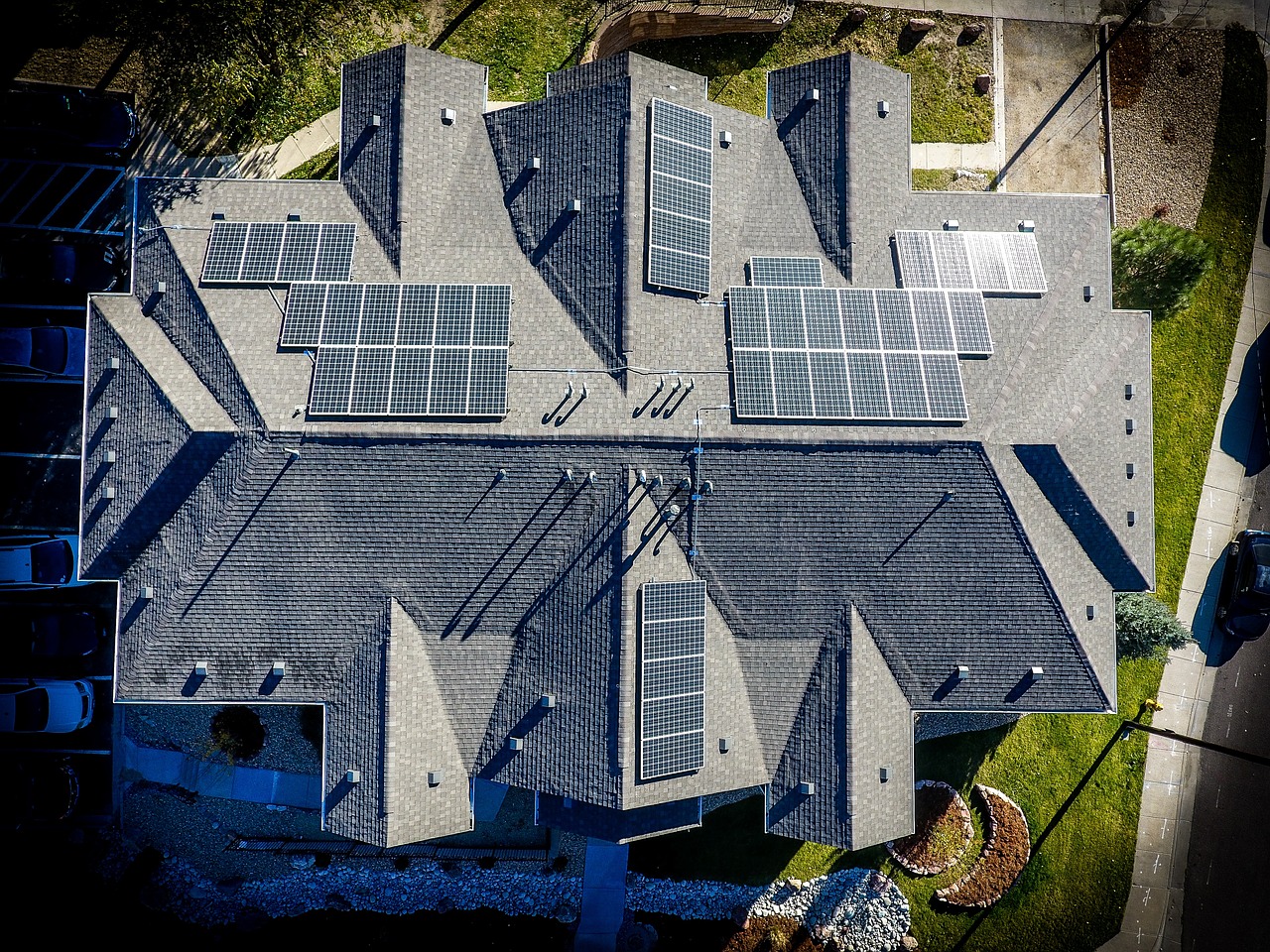
Many homeowners consider installing solar panels. They think about lower energy bills and a smaller carbon footprint. Potential buyers also see the appeal of a home with its own power source. This raises a key question for anyone in the property market. People often ask how solar energy systems impact real estate value. The answer is positive but depends on several important factors. An owned solar system often increases a home’s market price and makes it more attractive to buyers.
A property with solar panels stands out. It offers the immediate benefit of reduced monthly expenses. In a world of rising utility costs, this is a powerful incentive. Buyers may pay a premium for a home that promises long-term savings. The system also signals that a home is modern and well-maintained. It appeals to a growing group of environmentally conscious consumers. We will explore the specific ways solar energy enhances a home’s worth and what you need to know before buying or selling.
Lowering Bills and Increasing Appeal
The most direct benefit of a solar energy system is the reduction in electricity costs. Homeowners can see their monthly utility bills drop significantly. In some cases, the bills can disappear entirely. This continuous financial saving is a major selling point. A prospective buyer calculates the total cost of homeownership. A home with lower running costs is more affordable and therefore more valuable. This makes the property instantly more appealing than a comparable home without solar panels.
Many regions have net metering programs. These programs allow homeowners to earn credits for any excess electricity their solar panels produce. The system sends this extra power back to the grid. The utility company then provides a credit on the homeowner’s bill. This can further reduce or even eliminate energy costs over a year. When you sell your home, you can show potential buyers utility bills that prove these savings. This tangible evidence of financial benefit directly boosts your home’s appeal and supports a higher asking price.
Gauge the worth of your Melancthon property over here
Related Article: What Are Some of the Asbestos and Lead-based Paint Hazards in Older Homes?
Related Article: What Are Environmental Disclosure Requirements in Real Estate Transactions?
Owned vs. Leased Systems: A Crucial Distinction
When evaluating a home with solar panels, the ownership structure is the most important factor. The difference between an owned system and a leased system greatly affects property value. Understanding this distinction is essential for both buyers and sellers. An owned system is a clear asset, while a leased system can be a complication during a real estate transaction. You must clarify the ownership status early in the process.
-
Owned Solar Systems
An owned solar panel system is purchased outright by the homeowner. It is considered part of the property, like a furnace or central air conditioning. This system transfers directly to the new owner upon sale. It almost always adds value to the home. The buyer gets all the benefits of solar energy, including lower electricity bills and energy credits, without any extra payments for the equipment. This is the most desirable scenario and provides the highest return on investment for the seller.
-
Leased Solar Systems
A leased solar system involves a long-term agreement with a solar company. The homeowner pays a monthly fee to lease the panels. The solar company owns and maintains the equipment. When the home is sold, the lease must be transferred to the new buyer. The buyer must qualify for and agree to take over the lease payments. This can complicate the sale. Some buyers may not want the long-term financial obligation. A lease can sometimes deter buyers or even lower the home’s perceived value.
Putting a Number on Your Solar Investment
Homeowners naturally want to know the exact dollar value solar panels add. While the precise amount varies, numerous studies confirm a positive impact. Research shows that homes with owned solar panels sell for a premium. This premium can often be around four percent higher than similar homes without solar panels. The added value frequently covers a significant portion, or even all, of the original installation cost. This makes solar a smart financial investment, not just an environmental one.
Several factors influence the final value increase. The size and quality of the system are very important. A larger, high-efficiency system that covers most of the home’s energy needs will add more value. The age and condition of the panels also play a role. Newer systems with long warranties are more attractive. The amount of money saved on local utility bills is another key element. Higher local electricity rates mean the solar system provides greater savings, boosting its value to a buyer. A real estate professional can help assess these factors in your local market.
The Sale of a Solar-Powered Home
Selling a home with a solar energy system requires some preparation. To get the highest value, you must present the system as a key feature. Start by gathering all the relevant documents. This includes the original purchase agreement, warranties for the panels and inverters, and records of any maintenance. You should also collect past utility bills. These bills provide clear proof of the energy savings a new owner can expect. Providing this complete package to potential buyers builds confidence and justifies a higher price.
Buyers also have homework to do. You should always ask about the system’s ownership. If it is owned, request all the documentation the seller has gathered. If the system is leased, you need to review the contract carefully. Look at the monthly payment, any annual price increases, and the length of the agreement. You must understand the terms before you agree to assume the lease. It is also wise to have a home inspector with solar experience examine the panels and equipment to ensure everything is in good working order.
Future-Proofing Your Real Estate Investment
Installing a solar energy system is an investment in your home’s future. It enhances your property’s resilience and long-term appeal. As energy costs continue to rise, a home that generates its own power becomes increasingly valuable. This feature protects you and future owners from unpredictable utility rate hikes. It provides a level of energy independence that standard homes cannot offer. This makes the property a safer and more stable long-term asset.
Solar technology continues to advance, but today’s systems are built to last. Most solar panels come with a performance warranty of 25 years or more. This means they will be reliably producing clean energy for decades. A home with a durable, long-lasting solar system is better prepared for the future. It aligns with the global shift towards sustainability and clean energy. This forward-looking feature will likely become even more desirable to homebuyers in the years ahead, securing your property’s value and marketability over time.
Conclusion
A solar energy system can significantly increase your property’s value. The key is an owned system that reduces or eliminates electricity bills. This provides a direct, ongoing financial benefit that is very attractive to buyers. A home with solar panels also appeals to the modern consumer’s desire for sustainable and energy-efficient living. It can help your property sell faster and for a higher price. These benefits confirm that solar panels are a worthwhile addition to your home.
The distinction between an owned and a leased system is critical. An owned system is a valuable asset that enhances your home’s worth. A leased system can introduce complications that may deter some buyers. Proper documentation and transparent communication are essential when selling a solar-powered home. Understanding these details helps you make smart decisions. A knowledgeable real estate professional can guide you through the process, ensuring you capitalize on the full value of your solar investment.