

Question: Is a Sunroom Cheaper Than an Extension?
Answer: Yes, a sunroom is generally cheaper than an extension. A sunroom is more affordable due to simpler foundations, lighter materials, and less integration with your home’s HVAC systems. This reduces labour and material costs compared to a fully insulated home extension that must meet stricter building code requirements for year-round living space.
Comparing the Costs: Sunrooms vs. Home Extensions
Many homeowners dream of having more space. They want a bright corner for morning coffee or an extra room for a growing family. When you decide to expand your home’s footprint, two popular options emerge: a sunroom or a full home extension. This often leads to the critical question of whether a sunroom is cheaper than an extension. The simple answer is usually yes. A sunroom typically costs less than a conventional extension. However, the final price tag depends on many factors. These factors include the project’s size, the materials you choose, and the complexity of the build.
This comparison explores the financial and practical differences between these two additions. We will break down the costs associated with each project. We will also examine building permit requirements and the potential return on your investment. Understanding these details helps you make an informed decision. Your choice will affect your budget, your lifestyle, and your home’s future market value. A clear view of both paths ensures you select the addition that truly fits your needs and financial goals.
Differences Between a Sunroom and an Extension
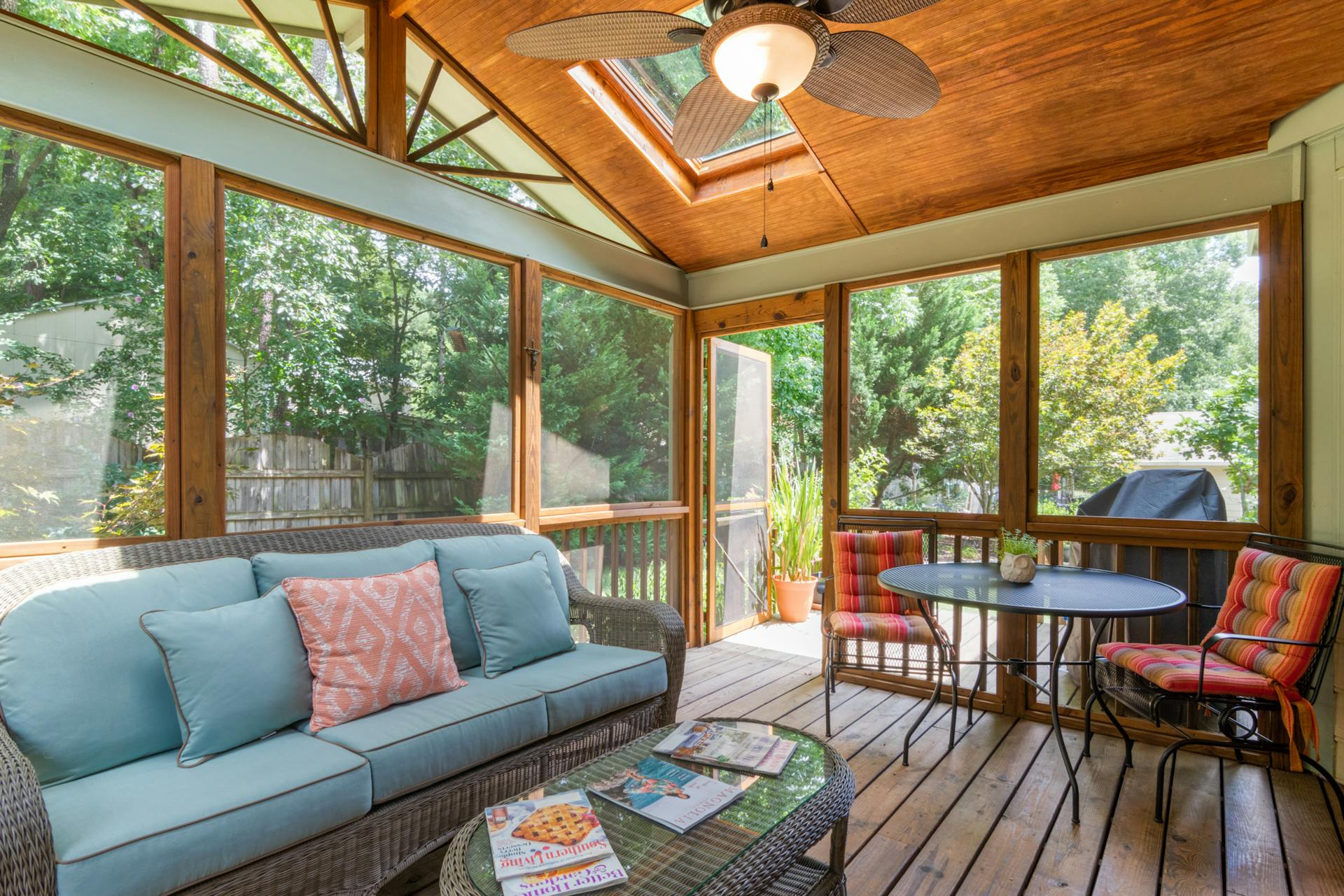
Before comparing costs, you must understand the fundamental differences between a sunroom and a home extension. A sunroom is a structure with many windows designed to let in maximum sunlight. They come in two main types. A three-season sunroom is the most basic. It has single-pane windows and minimal insulation. It extends your enjoyment of the outdoors into the spring and fall but is not comfortable during a cold winter. It typically does not connect to your home’s central heating and cooling system.
A four-season sunroom is a more substantial structure. It features double-paned, energy-efficient windows and is fully insulated. This type of sunroom integrates with your home’s heating, ventilation, and air conditioning (HVAC) system. This makes it a comfortable, usable space all year long. A full home extension, on the other hand, is built using standard construction methods. It has a permanent foundation, insulated walls, a traditional roof, and full integration with all home systems. An extension can be a new bedroom, a larger kitchen, or a family room that matches your home’s existing style perfectly.
Click here for more information on how to get an Orangeville real estate home valuation
Related Article: How to Keep Track of Renovation Costs?
Related Article: Can You Build an Extension Without Foundations?
Building Permits and Local Regulations
Any project that adds to your home’s structure requires official approval. In Ontario, both sunrooms and extensions need building permits. The process for each, however, is quite different. The complexity and scrutiny involved in obtaining a permit for a full extension are much greater. You must submit detailed architectural drawings and structural engineering plans. These documents must prove that the new structure complies with the Ontario Building Code. This code governs everything from insulation values to structural load requirements.
The permit process for a sunroom can be simpler, especially for a three-season model. Some prefabricated kits come with pre-approved engineering plans, which can speed up the application. However, a four-season sunroom is often treated like a full extension by municipal building departments. It must meet similar standards for energy efficiency and structural integrity because it is considered a year-round living space. Regardless of the project, you must always check with your local municipality. They will inform you about specific zoning bylaws, setback requirements, and the necessary permits before any work begins.
Which Addition Adds More Home Value?
As a homeowner, you want any investment to increase your property’s value. The return on investment (ROI) for an extension is generally higher and more predictable than for a sunroom. A well-designed home extension adds verifiable square footage to your home. If you add a bedroom or bathroom, you directly increase your home’s key statistics, which strongly appeals to future buyers. Appraisers recognize this added functional space, often leading to a significant rise in your home’s market value. The ROI for an extension can often be over 50 percent.
A sunroom’s impact on home value is more subjective. A high-quality, four-season sunroom that flows well with the home’s layout can add considerable value and appeal. Buyers may see it as a luxurious bonus feature. Its ROI can be respectable, sometimes recovering a large portion of its cost. A three-season sunroom, however, adds less tangible value. Appraisers may not count it in the home’s total living space. While it enhances lifestyle, its financial return is often lower. The value it adds depends greatly on the local market and buyer preferences for this type of space.
Functionality and Lifestyle Impact
Beyond the numbers, think about how you want to use the new space. Your daily life and needs should guide your decision. A full home extension offers unlimited versatility. It can become any room you need. You could build a ground-floor primary bedroom for aging in place. You could create a dedicated home office for remote work. Or you could expand your kitchen to become the heart of your home. An extension seamlessly integrates into your daily routines because it is built to the same standards as the rest of your house. It offers comfort and utility 365 days a year.
A sunroom provides a unique function. It acts as a transitional space between your indoor and outdoor living areas. It is the perfect spot to grow plants, read a book in natural light, or entertain guests with a view of the garden. A four-season sunroom allows you to enjoy these activities year-round. A three-season sunroom provides an affordable way to extend your enjoyment of warmer weather. It protects you from insects and rain. The choice depends on whether you need more versatile living space or a special area to connect with the outdoors.
Hidden Costs and Timelines
Every major home project has the potential for unexpected costs and delays. A full extension, being a more complex undertaking, carries a higher risk of hidden expenses. During excavation for the foundation, your contractor might discover poor soil conditions or large boulders that need to be removed at an extra cost. Your home’s existing electrical panel may not have the capacity to support the new space, requiring an expensive upgrade. Similarly, your HVAC system might need to be enlarged. After construction, you will also have to budget for landscaping to repair any damage to your yard.
Sunrooms are not immune to surprise costs, though they are typically less severe. The ground may require more preparation for the foundation than initially estimated. If you want ample lighting and outlets, you will need to run new electrical lines, which adds to the budget. For a four-season model, connecting it to your existing HVAC system can sometimes be more complicated and costly than planned. In terms of timelines, a sunroom project is much faster. A prefabricated kit can be installed in a matter of weeks. A full extension is a lengthy process that can take many months from the first design to the final inspection.
Your Final Decision: Cost vs. Functionality
In the end, a sunroom is almost always cheaper than a full extension. The lower cost of materials, simpler foundation, and faster construction timeline make it a more accessible option for homeowners on a tighter budget. A three-season sunroom offers the lowest entry price for adding space to your home. It effectively gives you a new room for most of the year. A four-season sunroom costs more but provides the benefit of year-round use. It bridges the gap between a basic sunroom and a costly extension.
A full home extension is the most expensive choice, but it also delivers the most value and versatility. It adds permanent, functional living space that fully integrates with your home. This type of addition provides the highest return on investment and can be tailored to meet any need, from an extra bedroom to a gourmet kitchen. Your decision rests on balancing your budget with your long-term goals. Think about how you will use the space and how it will impact your home’s future value. Understanding these key differences will help you invest wisely in your property.