
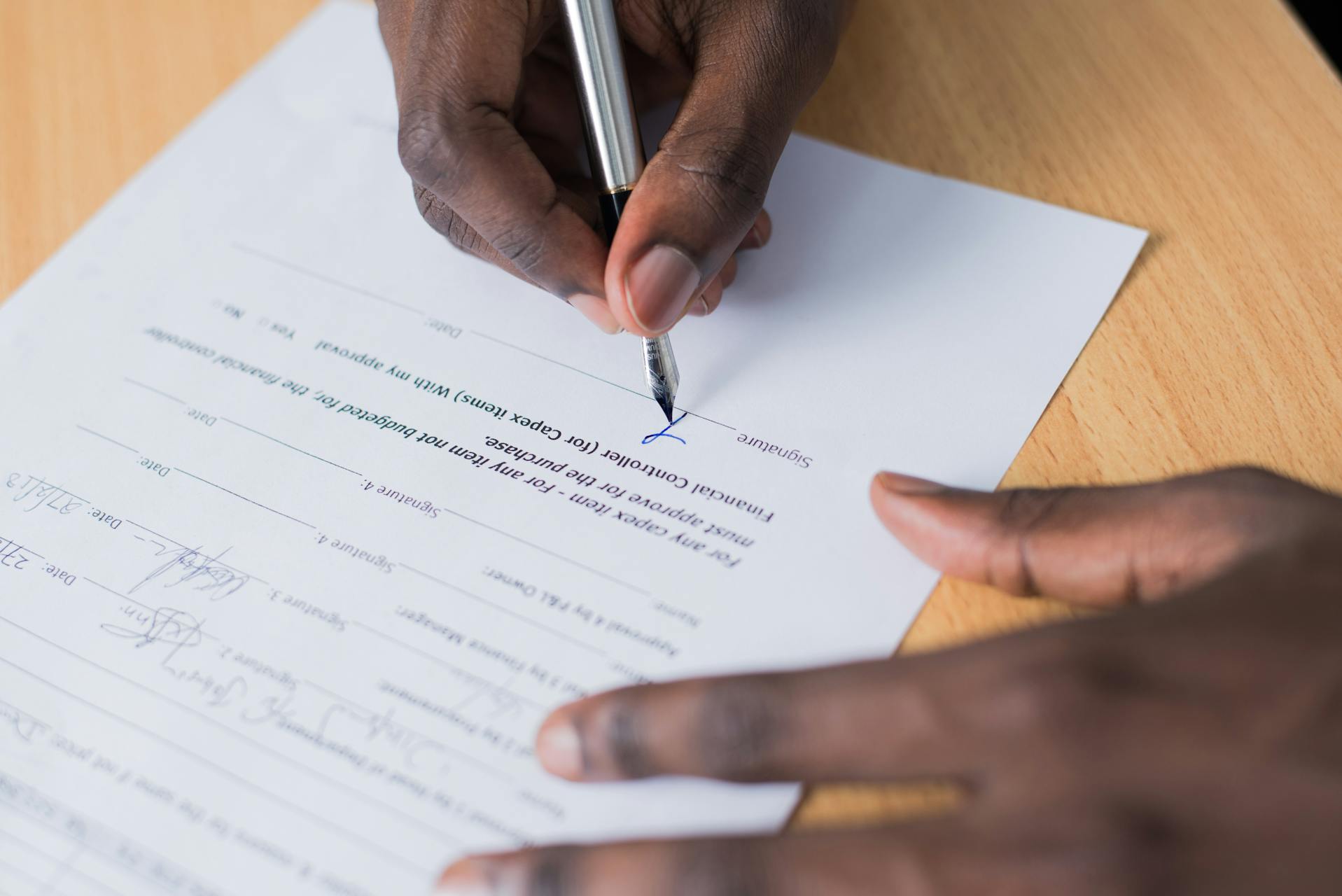

Question: How Long Does It Take to Get Approved for a Mortgage?
Answer: Getting approved for a mortgage is fast, often within 48 hours. Final mortgage approval after you’ve made an offer on a home typically takes one to three weeks. This timeline varies based on your lender, your financial details, and how quickly you provide all the necessary documents.
The Mortgage Approval Timeline
Buying a home is an exciting milestone. You find the perfect property, imagine your life there, and prepare to make an offer. A key question quickly comes to mind for most buyers: how long does it take to get approved for a mortgage? The answer varies for every person. The timeline depends on your financial situation, the documents you provide, and the lender you choose. It is not a single step but a multi-stage process that involves checks and balances to protect both you and the financial institution.
From the initial pre-approval to the final green light, several phases mark your journey. Each phase has its own timeline and requirements. A simple application for a salaried employee with excellent credit might move very quickly. In contrast, an application for a self-employed individual with a more complex income structure could take longer. Understanding these stages helps you set realistic expectations. It also allows you to prepare properly, which can significantly speed up the entire process and bring you closer to getting the keys to your new home.
The Pre-Approval
The first step in your mortgage journey is the pre-approval. This initial stage gives you a clear picture of what you can afford. It also shows sellers that you are a serious buyer. For a pre-approval, you provide your lender or mortgage broker with key financial documents. This paperwork allows them to assess your financial health and determine a budget for your home search. A strong pre-approval gives you a powerful advantage when you make an offer on a property.
Typically, you need to supply proof of income, like recent pay stubs and T4 slips. You also need to show proof of your down payment through bank statements. An employment letter confirms your job status and salary. With all your documents in order, a lender can often provide a pre-approval within 24 to 72 hours. Delays can happen if your file is complex, such as if you are self-employed or have inconsistent income. Missing documents are the most common cause of a slowdown, so organization is key.
Click here for more information on how to appraise your home Mono
Related Article: Does a Mortgage Pre-Approval Affect Credit Score?
Related Article: Can Closing Costs Be Rolled into a Mortgage in Canada?
Meeting the Lender’s Final Requirements
Fulfilling the lender’s conditions is the most critical part of the process. Each condition has its own timeline, and your prompt action can prevent delays. The most significant condition is often the property appraisal. The lender hires an independent appraiser to assess the home’s market value. This step ensures the loan amount is appropriate for the property’s worth. Scheduling the appraisal and receiving the final report can take about a week. You must ensure the appraised value supports the purchase price.
Other conditions involve paperwork. The lender will want to re-verify your employment and may ask for your most recent pay stub. You will also need to provide proof that your down payment funds are in your Canadian bank account and ready for closing. If part of your down payment is a gift, you must provide a signed gift letter from the donor. Completing these tasks efficiently moves your file from conditional approval toward the final stage of underwriting, where the lender makes its ultimate decision.
What Happens During Underwriting?
After you satisfy all conditions, your mortgage file moves to underwriting. An underwriter is the final decision-maker. This person, or an automated system, conducts a thorough risk assessment of your application. The underwriter reviews every document you submitted. They check your credit report, income details, asset statements, and the property appraisal. Their job is to ensure your entire file aligns with the lender’s internal policies and federal regulations, including the mortgage stress test.
This detailed review is the most intensive part of the approval process. The timeline for underwriting can range from 48 hours to over a week. The speed depends on the lender’s current volume of applications and the complexity of your file. An application that is straightforward and well-documented will pass through underwriting much faster. If the underwriter finds any inconsistencies or red flags, they will request more information, which can add time to the process. This is the final checkpoint before full approval.
Factors That Influence Your Timeline
Several elements can affect how quickly your mortgage gets approved. Your own preparation plays a huge role. If you gather all your necessary documents before you even apply, you avoid the back-and-forth that slows things down. Create a digital folder with your pay stubs, bank statements, tax documents, and employment letter so you can send them instantly. Your financial profile is another major factor. Lenders process applications for borrowers with stable, predictable income and high credit scores much faster.
The professionals you work with also impact the timeline. An experienced mortgage broker knows how to package your application to meet a specific lender’s preferences, which can prevent questions and delays. The type of lender matters, too. Large banks sometimes have longer processing times due to their size, while smaller lenders might be more agile. Finally, the time of year can cause backlogs. The busy spring and fall real estate markets mean lenders are handling more files, which can extend wait times for everyone.
-
Your Document Organization
Having every document scanned and ready to send immediately makes a significant difference.
-
Your Financial Profile
A high credit score and a simple income source, like a salary, lead to faster approvals.
-
Your Professional Team
A proactive mortgage broker and real estate agent can help you anticipate and resolve issues quickly.
-
Market Conditions
During peak home-buying seasons, lenders are busier, which can naturally extend the timeline.
Clear to Close: Final Approval and What Comes Next
Receiving final approval is a fantastic feeling. This notification, often called a “mortgage commitment” or “clear to close,” means the underwriter has signed off on your file. The lender is now fully committed to providing the funds for your home purchase on closing day. At this point, the lender has verified all your information and confirmed the property meets their standards. The heavy lifting with the lender is officially complete, and the process shifts towards the legal side of the transaction.
Once you have final approval, the lender sends the formal mortgage instructions to your real estate lawyer. Your lawyer will then prepare the final closing documents for you to sign. They will also tell you the exact amount needed for the down payment and closing costs, which you will provide via a bank draft or wire transfer. This final step with the lender is very quick, usually happening within 24 hours of the last condition being met. From there, your lawyer handles the final details to ensure a smooth closing.
Conclusion
The mortgage approval process is a journey with distinct stages. It begins with a quick pre-approval that can take one to three days. After your offer is accepted, securing conditional approval might take another week. Fulfilling the lender’s conditions, like the appraisal, can take an additional one to two weeks. The final underwriting review adds another few days. All together, the entire process from an accepted offer to final approval can range from as little as two weeks to over a month in more complex cases.
Your timeline is not entirely out of your hands. Proactive preparation is your best tool for a speedy approval. By organizing your financial documents early and responding to lender requests quickly, you can avoid unnecessary delays. Working with a skilled real estate agent and a knowledgeable mortgage broker provides you with a team that can guide you through each step. They help you navigate the requirements smoothly, letting you focus on the excitement of becoming a homeowner.