
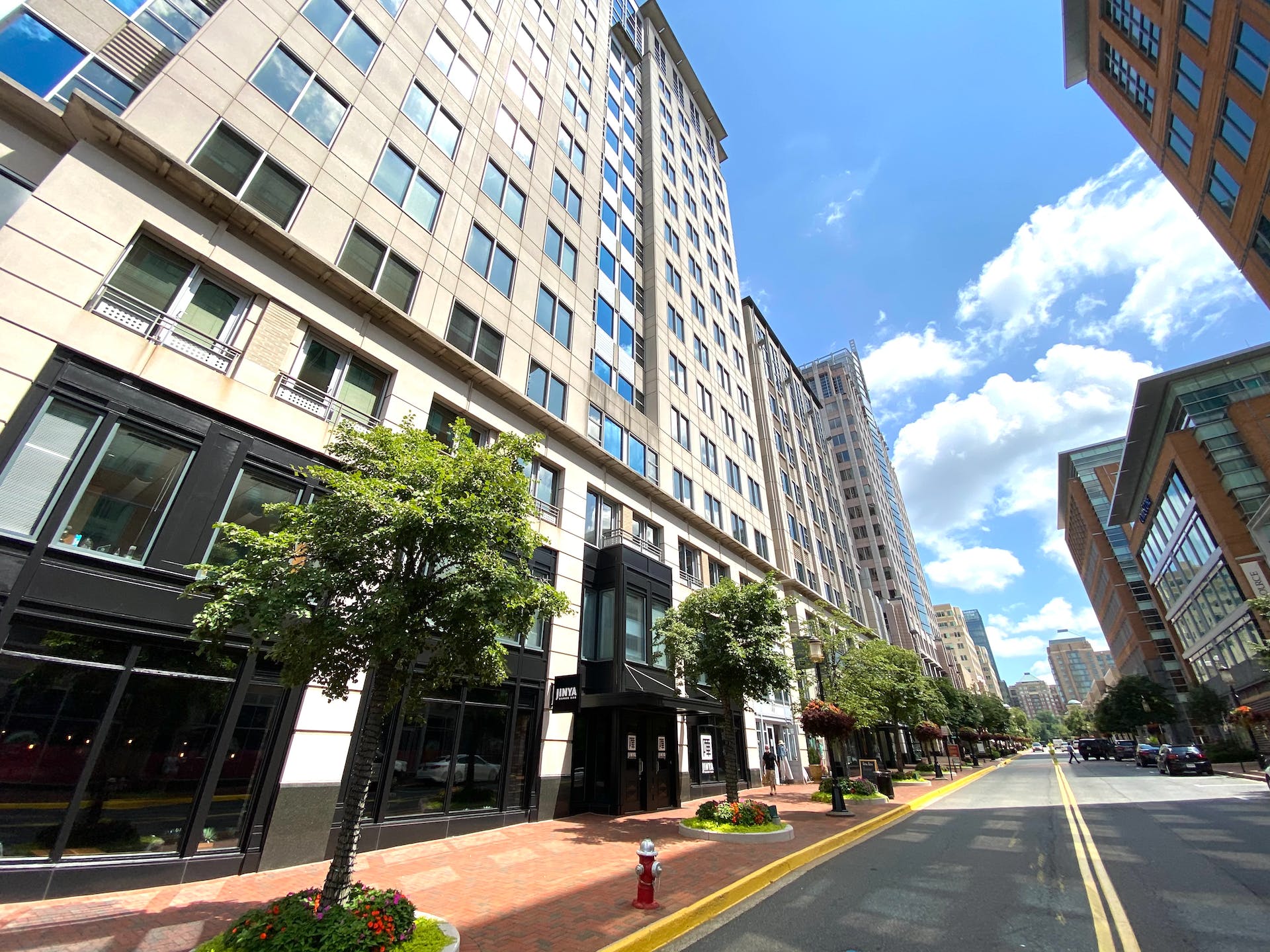

How Distressed Properties Affect Your Home’s Value
A well-maintained street with manicured lawns and homes in good repair projects an image of stability and desirability. The sudden appearance of a ‘For Sale’ sign on a foreclosed property can disrupt this harmony. Homeowners often worry about how foreclosures impact nearby property values. This concern is valid because a distressed property can create a ripple effect throughout the local real estate market. The sale price of a foreclosed home is often below the current market rate. This lower price can then influence the perceived value of all the homes around it. Appraisers and potential buyers look at recent sales to determine what a home is worth.
Understanding this process is key for any homeowner or prospective buyer. In our market, lenders typically use a Power of Sale to recover funds from a defaulted mortgage. This is different from a court-ordered foreclosure. A lender exercising a Power of Sale wants a quick transaction to cover the outstanding loan balance and associated costs. They are not motivated to wait for the highest possible offer. This speedy sales process results in a lower sale price, which then enters the public record as a comparable sale for your neighbourhood, potentially lowering the value of your own property.
The Direct Impact of a Lower Comparable Sale
The most significant way a foreclosure affects your property value is through the appraisal process. When you sell or refinance your home, an appraiser determines its current market value. Appraisers heavily rely on “comparables,” which are recent sales of similar homes in your immediate area. A foreclosed home sold at a discount becomes one of these comparables. This new, lower-priced sale can pull down the average sale price for the entire neighbourhood.
Imagine your home is worth approximately $700,000 based on recent sales. A similar house on your street enters foreclosure and sells for $620,000. That $620,000 sale is now a data point. An appraiser must consider this sale when valuing your home or another neighbour’s property. The presence of this low comparable makes it harder to justify a higher valuation. Buyers’ agents will also use this low sale to negotiate a lower price for their clients, putting downward pressure on all asking prices in the vicinity.
Check out this page to get a free home evaluation
Related Article: What Are the Problems with Foreclosed Properties?
Related Article: What Are the Benefits of Buying a Home in Foreclosure?
Power of Sale in Our Market
In our real estate market, the term “foreclosure” is often used interchangeably with “Power of Sale.” The distinction is important. With a Power of Sale, the mortgage lender sells the property to recover the outstanding debt. The lender does not take ownership of the title. Their primary goal is to recoup their financial losses quickly. They are not interested in maximizing the sale price like a typical homeowner would be. This urgency almost always leads to a below-market price.
These properties are also sold in “as is, where is” condition. This clause means the lender makes no warranties about the property’s state. The buyer assumes all the risk for any hidden defects, from a leaky roof to a faulty foundation. This high level of risk deters many buyers and further drives down the potential selling price. A buyer must budget for potentially expensive repairs, so their offer will be much lower than it would be for a home with standard warranties.
Related Article: Do You Get any Money if Your House is Foreclosed in Ontario?
Related Article: How Many Mortgage Payments Can You Miss Before Foreclosure in Canada?
How Proximity and Density Change the Impact
The effect of a foreclosure on your property value depends heavily on two factors: proximity and concentration. A foreclosed home directly next door or across the street will have a much greater impact than one located several blocks away. Appraisers give the most weight to comparables that are geographically closest to the subject property. The closer the distressed sale, the more it will pull down your home’s appraised value.
The concentration of foreclosures also plays a crucial role. A single foreclosure in a large, stable neighbourhood might have a minimal and temporary effect. The market can absorb one low-priced sale without significant disruption. However, if multiple homes in a small area face foreclosure, it signals a larger trend of economic distress. This clustering effect can severely depress local property values. It creates a cycle where low values make it harder for other homeowners to sell or refinance, potentially leading to more distressed sales.
Related Article: Do I Still Owe the Bank if My House is Foreclosed in Canada?
Related Article: What Happens to Tenants When a Property is Foreclosed in Ontario?
Steps to Protect Your Property’s Value
Homeowners are not powerless against the effects of a nearby foreclosure. You can take proactive steps to protect your investment. The first and most important action is to maintain your own property to the highest standard. Exceptional curb appeal, fresh paint, and a well-kept garden create a strong visual contrast to the neglected property. This helps show potential buyers and appraisers that the foreclosure is an isolated issue, not a neighbourhood-wide problem.
You can also work with your neighbours. Community effort can ensure the vacant property’s lawn is mowed or that any debris is reported to the lender or municipality. When you decide to sell, your real estate agent plays a vital role. An experienced agent can educate potential buyers and appraisers about the situation. They can prepare a detailed market analysis that highlights the distressed nature of the low comparable sale, arguing that it should not be given the same weight as traditional market-value sales.
Related Article: Can You Stop a Foreclosure Once it Starts in Canada?
Related Article: How Do I Find Pre-Foreclosures in My Area?
The Long-Term Recovery of Neighbourhood Values
The negative impact of a foreclosure on property values is typically not permanent. It is a temporary disruption to the local market. Once the distressed property sells, a new owner usually moves in. These new owners, who often bought the home at a discount, have a strong incentive to invest in repairs and improvements. They fix the leaky roof, landscape the yard, and update the interior. This investment not only improves their own property but also lifts the aesthetic of the entire street.
As the home is restored, it removes the physical blight that was dragging down perceptions. In a few years, that same property may sell again, but this time at a full market price. This new, higher sale price becomes a positive comparable for the neighbourhood. It effectively erases the previous low sale from appraisal reports. In a stable or rising real estate market, property values often recover quickly once the distressed property is sold and occupied by responsible owners who contribute positively to the community.