
Home Info: The Latest Articles in Ontario
Get the most recent news and real estate trends to hit Ontario's housing industry.
Articles: Everything About Home Rates in Ontario
What Does Gentrification Look Like?
Question: What Does Gentrification Look Like? Answer: Gentrification looks like a neighbourhood transformation marked by rising property values, new developments, and renovated homes. Local businesses are often replaced by trendy cafes and boutiques, leading to the displacement of long-term residents as rents and living costs increase. Identifying the Signs of Neighbourhood Change People often wonder […]
What Is Green Gentrification?
Question: What Is Green Gentrification? Answer: Green gentrification is when environmental improvements like new parks or sustainable developments in a neighbourhood increase property values. This process can raise housing costs, ultimately displacing long-term, lower-income residents who can no longer afford to live in their newly desirable community. The Concept of Green Gentrification Cities across the […]
What Is Gentrification and What Are Some of Its Advantages and Disadvantages?
Question: What Is Gentrification and What Are Some of Its Advantages and Disadvantages? Answer: Gentrification is the revitalization of a lower-income urban neighbourhood by wealthier newcomers. Advantages include increased property values and new investment. Disadvantages include the displacement of long-time residents due to rising rents and a loss of community character. The Benefits and Drawbacks […]
Where Do People Go After Being Gentrified?
Question: Where Do People Go After Being Gentrified? Answer: After being gentrified, displaced residents often seek affordable housing in other neighbourhoods, nearby suburbs, or different municipalities. This move to less expensive areas frequently results in longer commutes and the loss of established community ties, pushing people further from urban centres. Relocation Patterns After Neighbourhood Change […]
Who Is Most Affected By Gentrification?
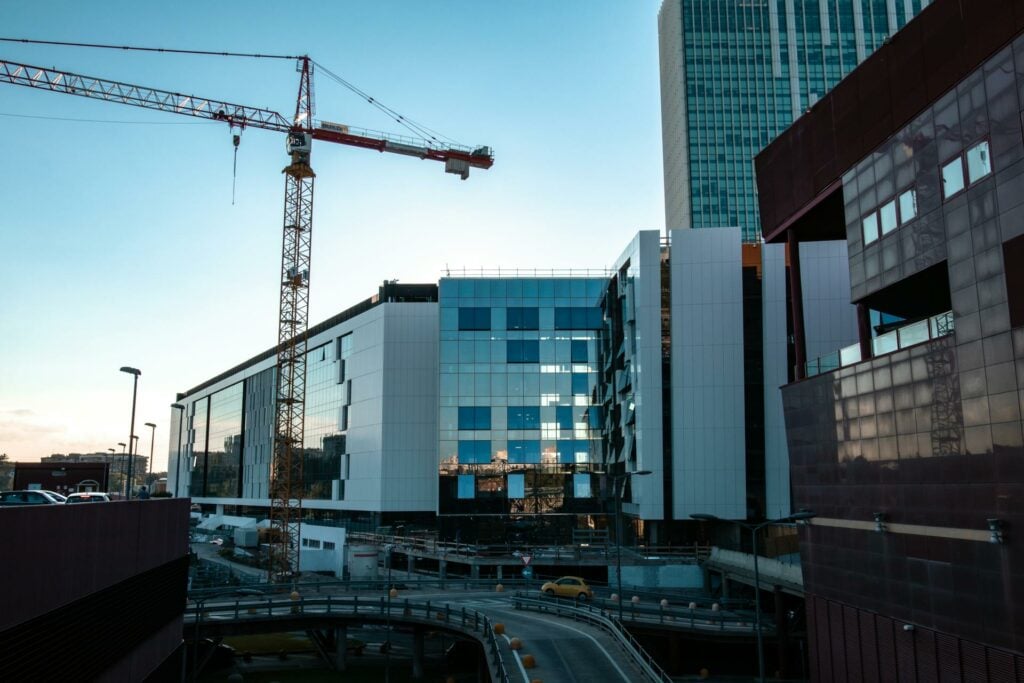
Question: Who Is Most Affected by Gentrification? Answer: Those most affected by gentrification are low-income renters, especially within racialized communities, are most vulnerable to displacement from soaring rents and evictions. Seniors on fixed incomes face rising property taxes, while local businesses are often priced out, fundamentally changing a neighbourhood’s character and affordability for long-time residents. […]
Can Gentrification Be a Good Thing?
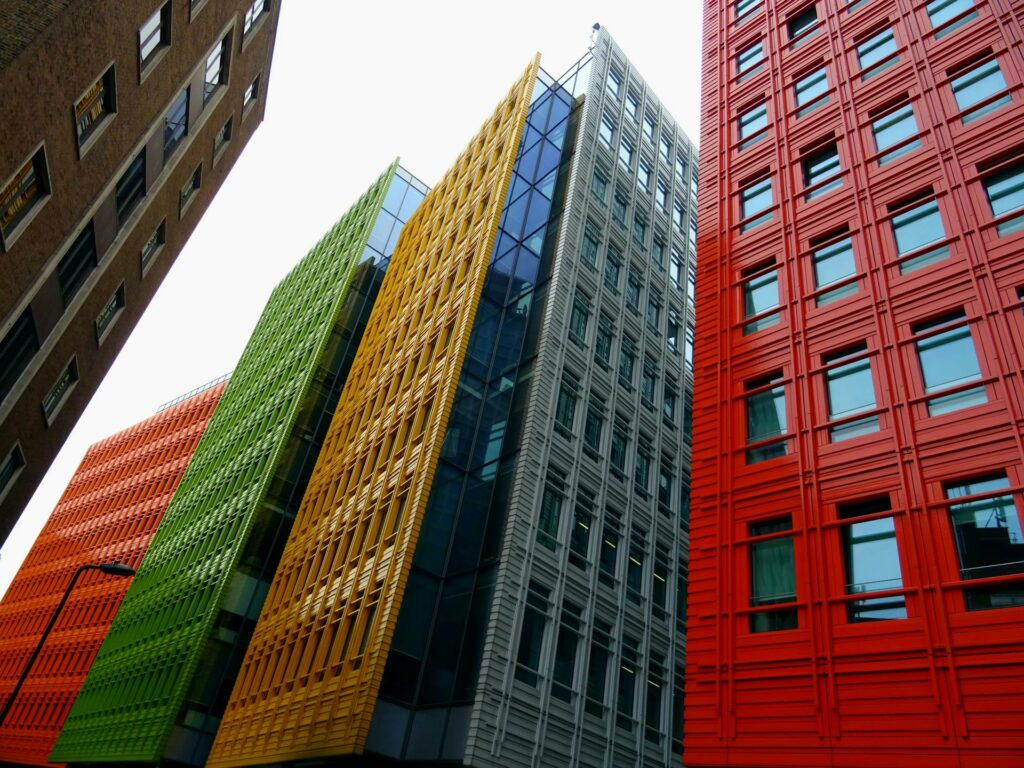
Question: Can Gentrification Be a Good Thing? Answer: Gentrification can be a good thing. It can revitalize neighbourhoods through new investment and increased property values. However, it often causes rising rents and property taxes, which can displace long-term residents and tenants, raising significant concerns about housing affordability and a community’s unique character. The Potential Benefits […]
What Is the Threat of Gentrification?
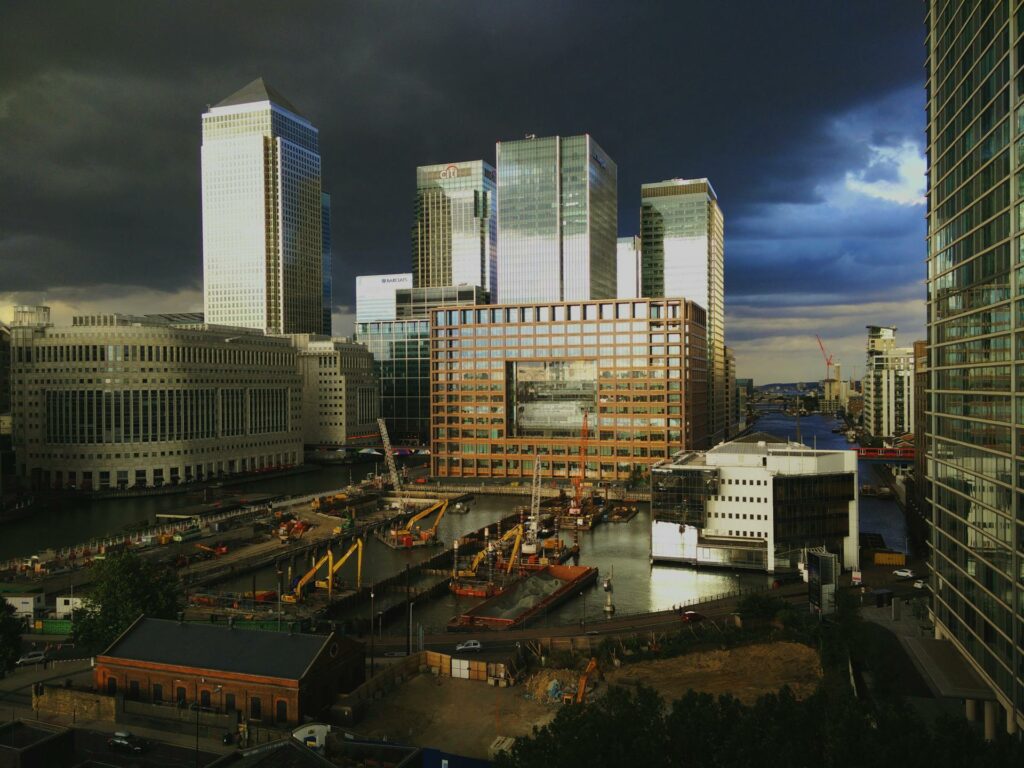
Question: What Is the Threat of Gentrification? Answer: The primary threat of gentrification is the displacement of long-term, lower-income residents and businesses as rising property values increase rents and taxes. This erodes a neighbourhood’s cultural character, fractures communities, and reduces the overall stock of affordable housing. The Impact of Neighbourhood Change Urban neighbourhoods are always […]
How to Revitalize Without Gentrification?
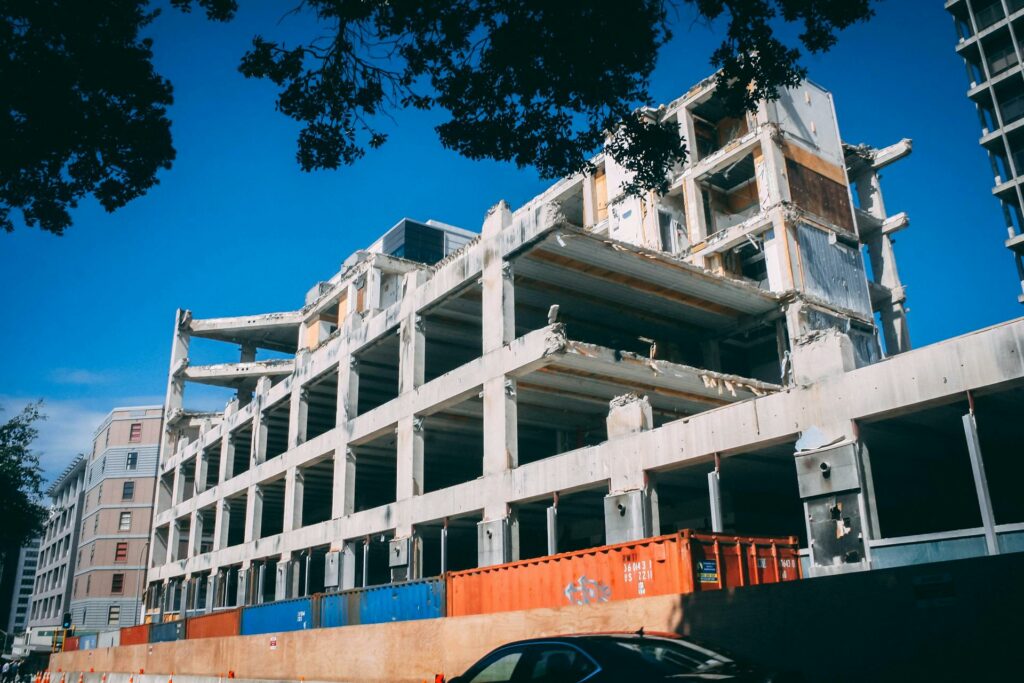
Question: How to Revitalize Without Gentrification? Answer: To revitalize without gentrification focus on community-led strategies. Implement inclusionary zoning to create mixed-income housing, strengthen tenant protections and rent control to prevent displacement, and support local small businesses. Community land trusts can ensure long-term affordability, preserving the neighbourhood’s character while it improves. Revitalizing Neighbourhoods Without Displacing Residents […]
What Are the Pros and Cons of Gentrification?
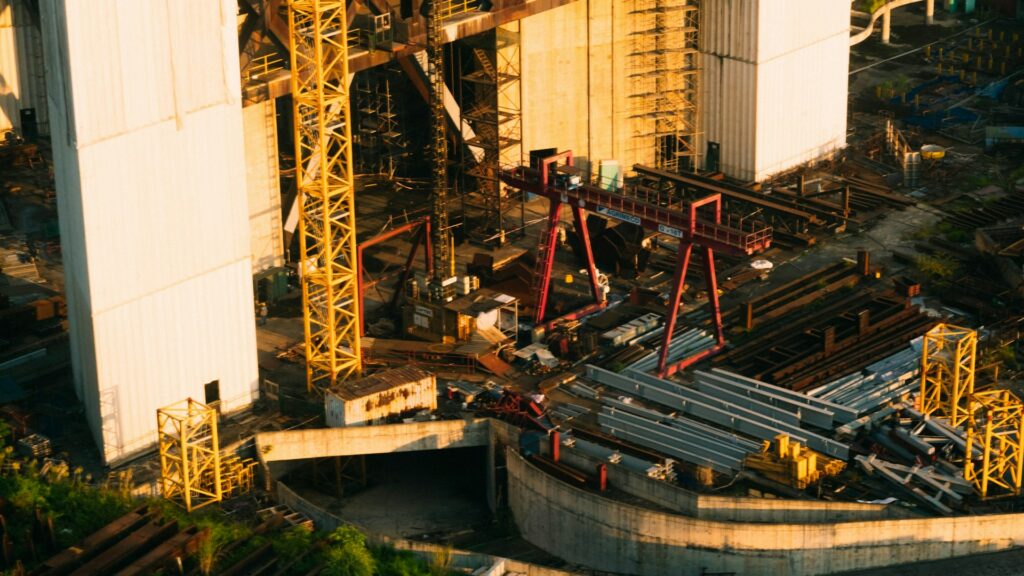
Question: What Are the Pros and Cons of Gentrification? Answer: Pros of gentrification include increased property values, new investment, and revitalized infrastructure. Cons centre on displacing long-term residents through rising rents and taxes, loss of cultural identity, and a higher cost of living for the original community. The Benefits and Downsides of Urban Change Neighbourhoods […]
How Does Gentrification Affect the Environment?
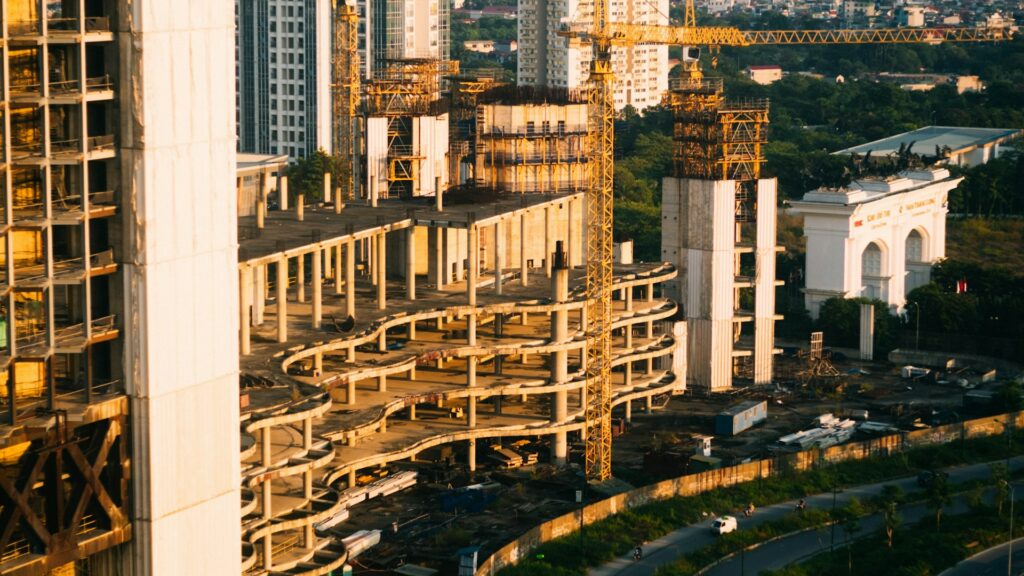
Question: How Does Gentrification Affect the Environment? Answer: Gentrification has mixed environmental effects. It can increase density, promote green building retrofits, and redevelop contaminated lands. However, it also generates significant construction waste from demolition, increases consumption in neighbourhoods, and can displace residents, potentially leading to longer, carbon-intensive commutes for them. The Environmental Side of Neighbourhood […]
How Does Gentrification Lead to Poverty?
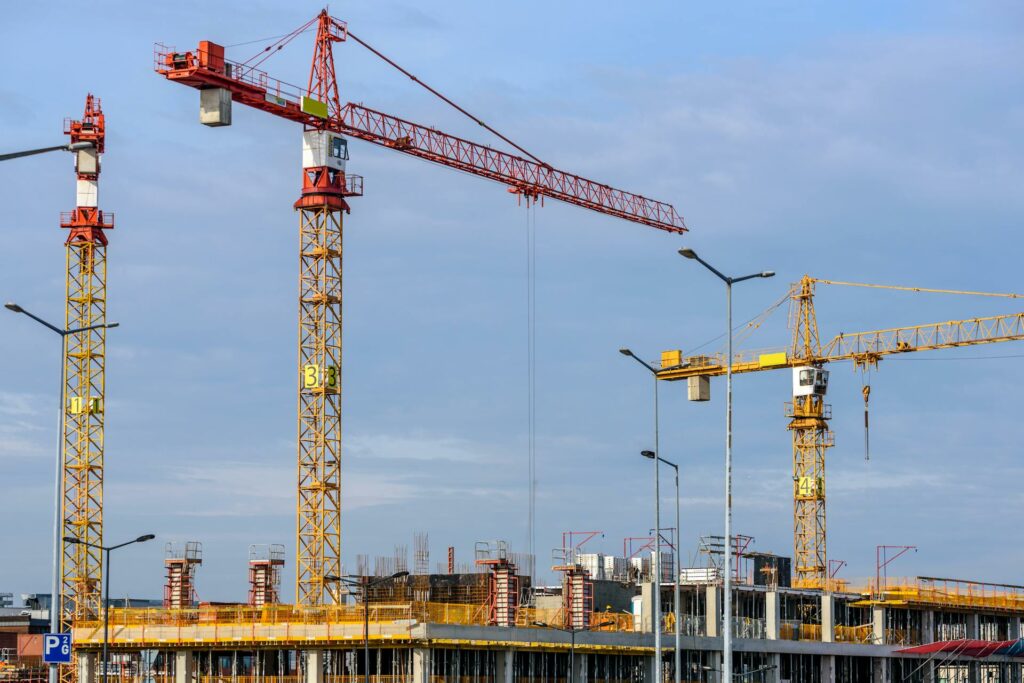
Question: How Does Gentrification Lead to Poverty? Answer: Gentrification can lead to poverty by driving up rents and property taxes and displacing lower-income residents. Forced to move to neighbourhoods with fewer jobs and weaker support services, these households face increased financial instability, which can push them into poverty or deepen existing hardship. The Link Between […]
What Makes a Neighborhood Gentrified?
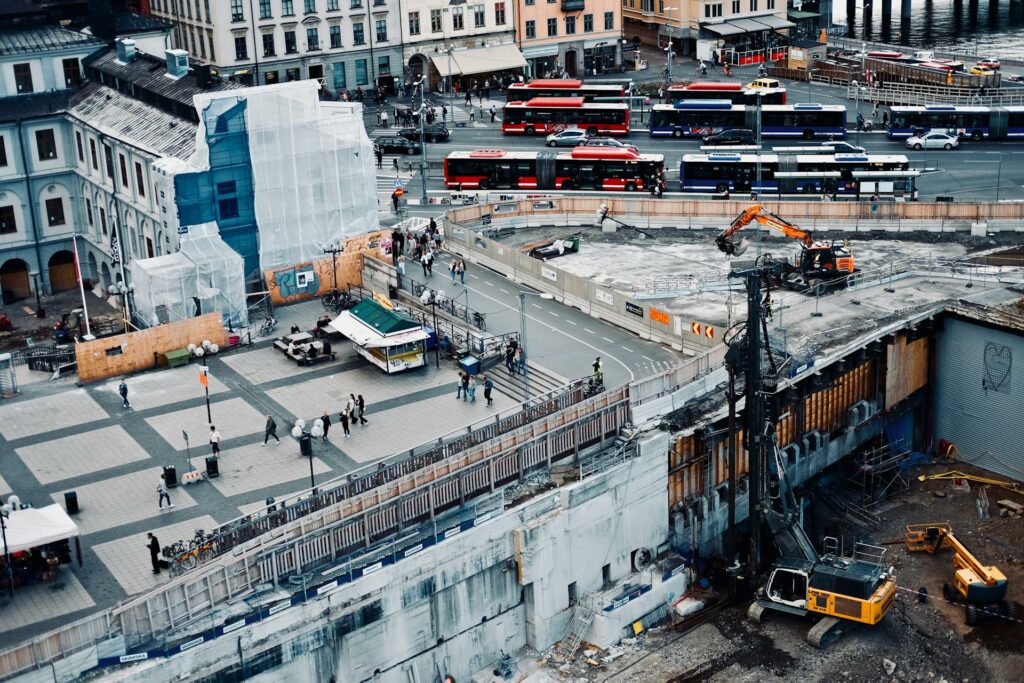
Question: What Makes a Neighbourhood Gentrified? Answer: What makes a neighbourhood gentrified is a process of change where new investment and wealthier residents arrive. This drives up property values and rents, often displacing long-time community members and altering the neighbourhood’s original character and culture. Neighbourhood Transformation The term gentrification often appears in discussions about urban […]
How to Tell if an Area Will Gentrify?
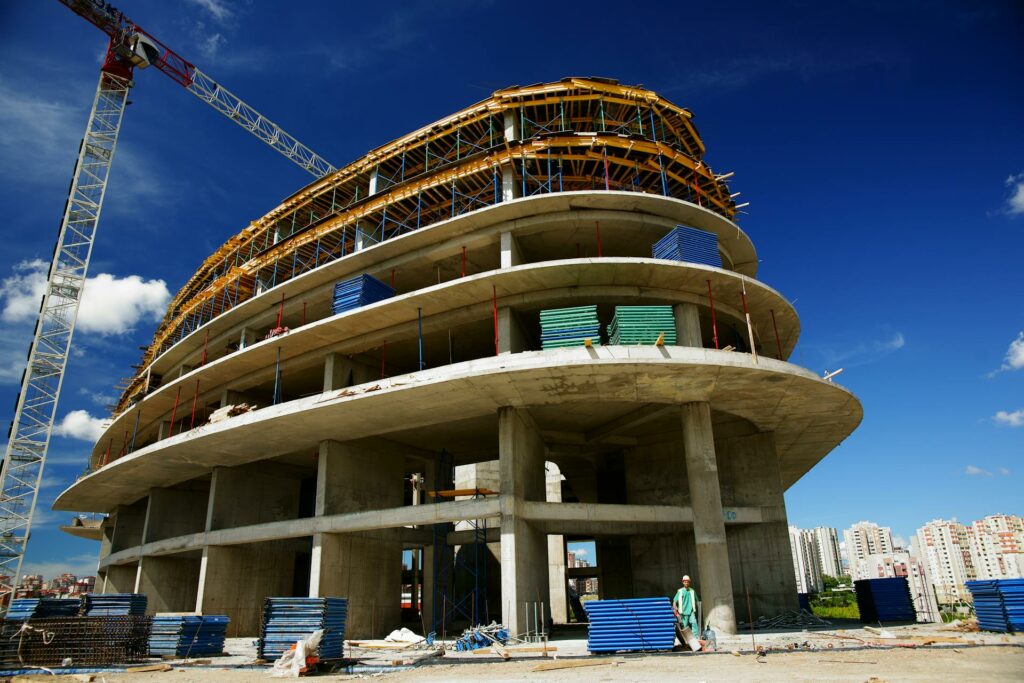
Question: How to Tell If an Area Will Gentrify? Answer: To tell if an area will gentrify, look for new public transit projects, an influx of trendy cafes and boutiques, a surge in home renovations, and a noticeable increase in younger, professional residents. These signs often precede significant growth in property values and rental demand. […]
What Is the Paradox of Gentrification?
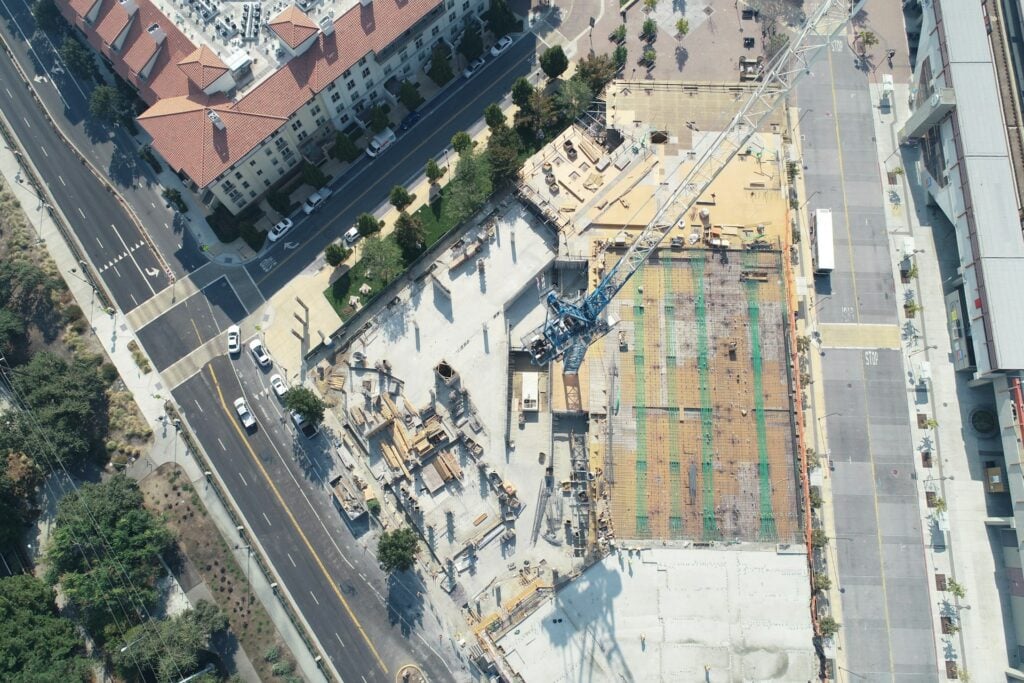
Question: What Is the Paradox of Gentrification? Answer: The paradox of gentrification is the contradiction where the process of revitalizing a neighbourhood with new investment and amenities leads to rising costs that displace the original, lower-income residents who were ostensibly supposed to benefit from the improvements. The Two Sides of Neighbourhood Change Many people see […]

Does Gentrification Ever Reverse?
Question: Does Gentrification Ever Reverse? Answer: Yes, gentrification can reverse though it’s very uncommon. This process, called de-gentrification, can occur during severe economic downturns or when a neighbourhood loses its appeal. Investment dwindles, property values can fall, and the area’s economic trajectory shifts, sometimes leading to a demographic reversal. Can a Gentrified Neighbourhood Ever Go […]
What Are the First Signs of Gentrification?
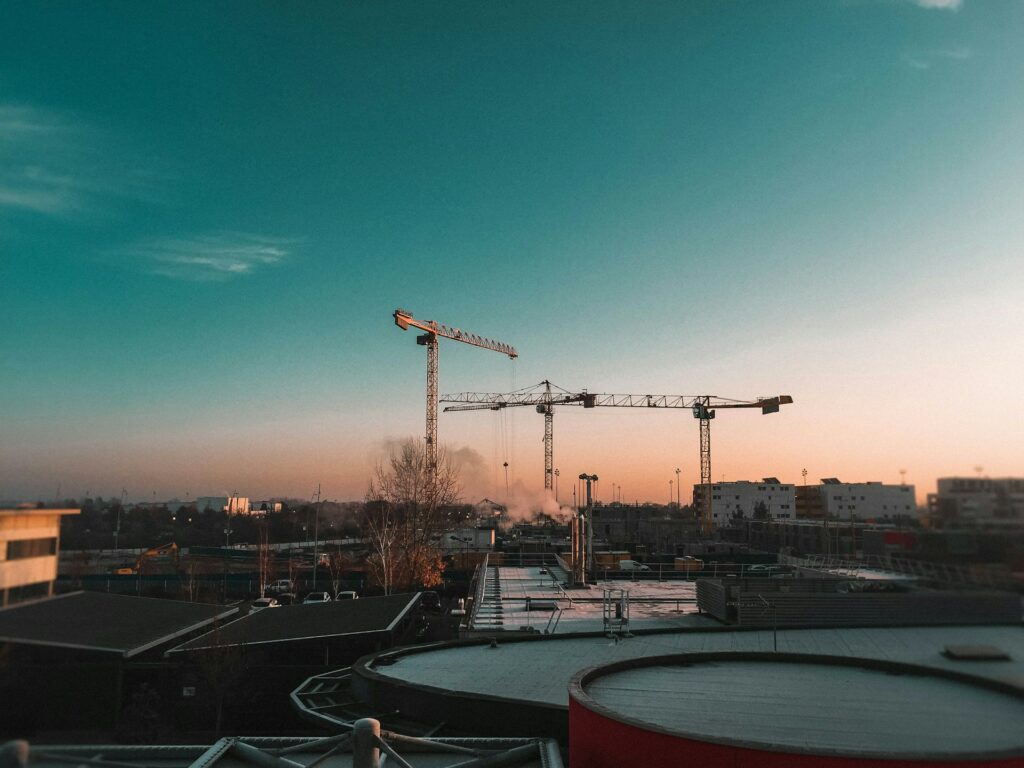
Question: What Are the First Signs of Gentrification? Answer: The first signs of gentrification include an uptick in home renovations, rising rents, and the arrival of new businesses like specialty cafes or art galleries. This often precedes a demographic shift and significant changes to the neighbourhood’s character and affordability. The Early Indicators of Neighbourhood Change […]
Is Gentrification Beneficial on Average?
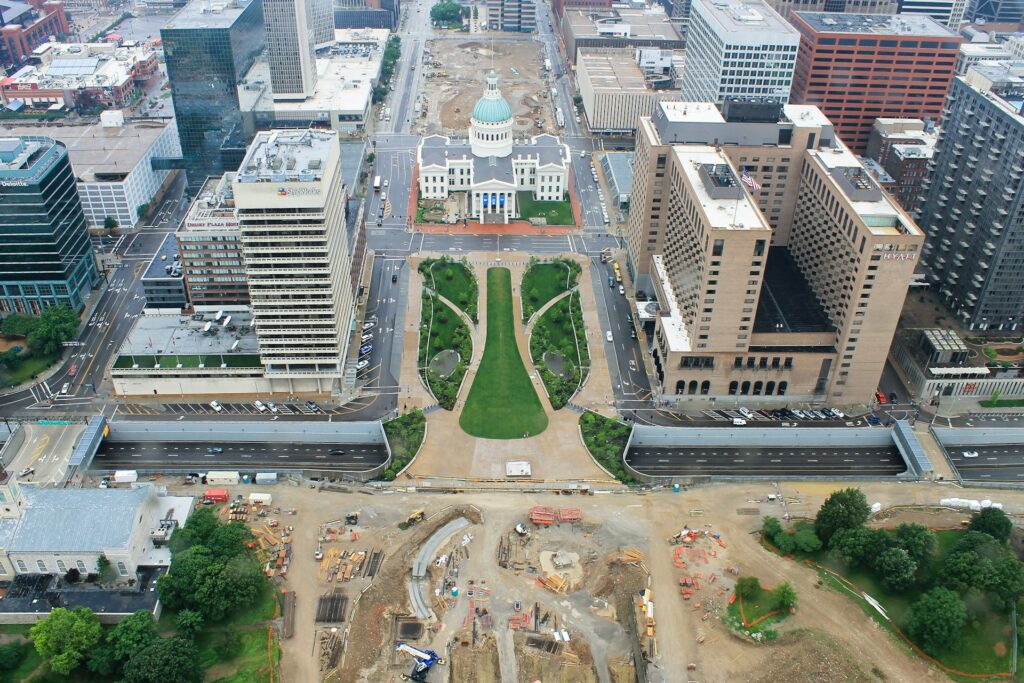
Question: Is Gentrification Beneficial on Average? Answer: While gentrification can revitalize a neighbourhood by boosting property values and attracting investment, these benefits are not shared equally. It frequently leads to the displacement of long-term residents due to soaring rents and property taxes, creating significant social challenges and making its overall benefit highly contentious. The Overall […]
What Are Indicators of Gentrification?
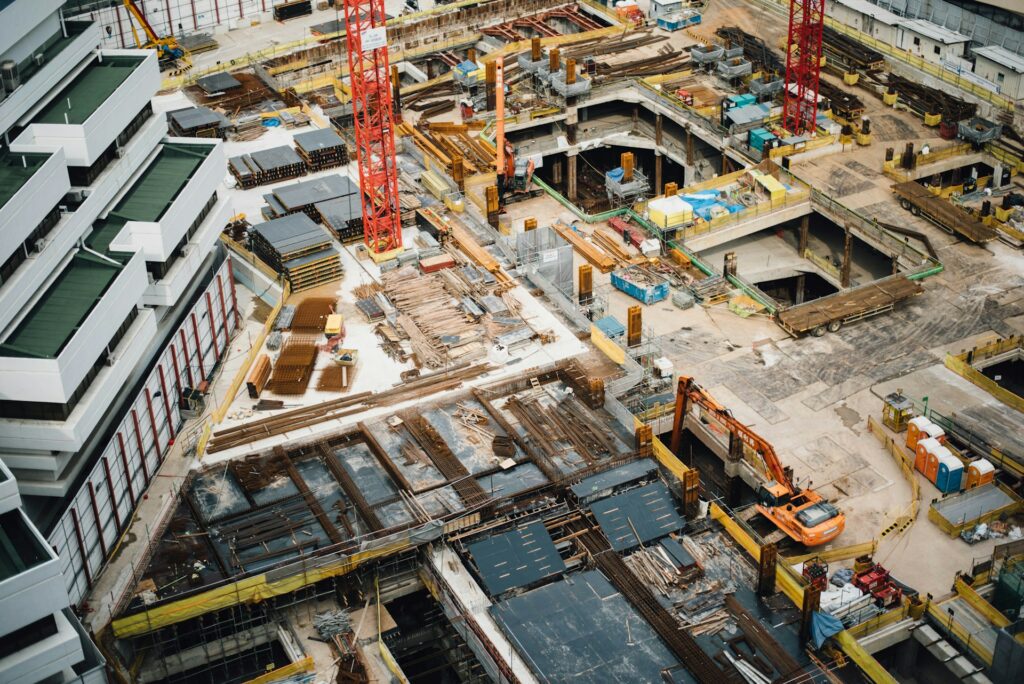
Question: What Are Indicators of Gentrification? Answer: Key indicators of gentrification include rapidly rising property values and rents, an influx of higher-income residents, and new businesses like cafes and boutiques replacing older shops. This often results in the displacement of long-term residents from a changing neighbourhood. Recognizing the Signs of a Changing Neighbourhood Urban neighbourhoods […]
What Is the Difference Between Gentrification and Revitalization?
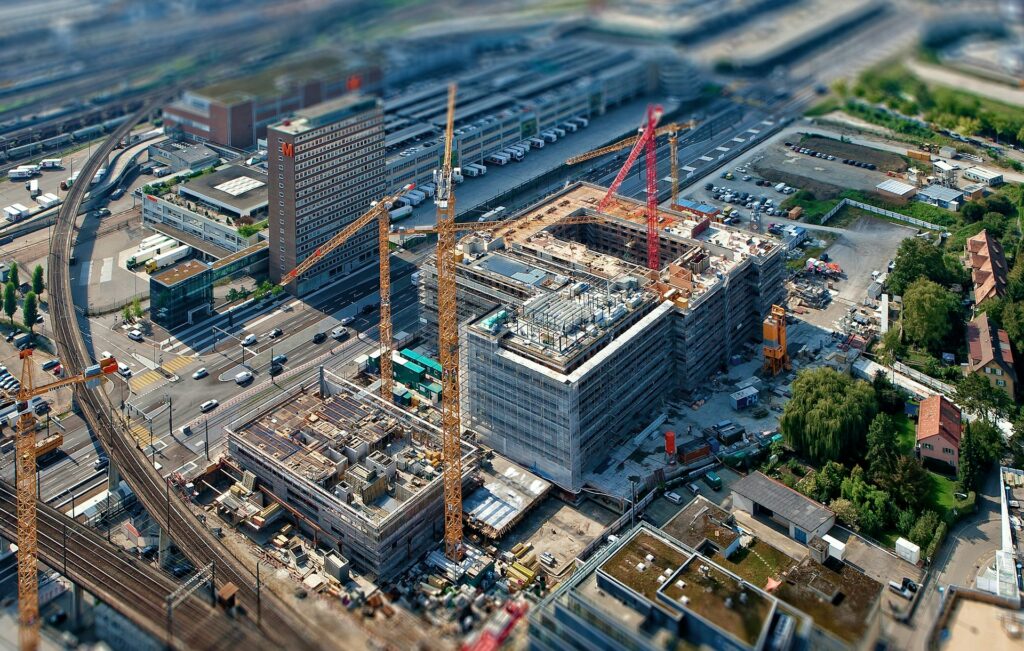
Question: What Is the Difference Between Gentrification and Revitalization? Answer: Revitalization aims to improve a community’s infrastructure and services for current residents, often with their involvement. Gentrification is market-driven change where wealthier newcomers displace long-time residents and local businesses due to rising costs, altering the neighbourhood’s character. The key difference is displacement. Gentrification vs Revitalization […]
What Is the Alternative to Gentrification?
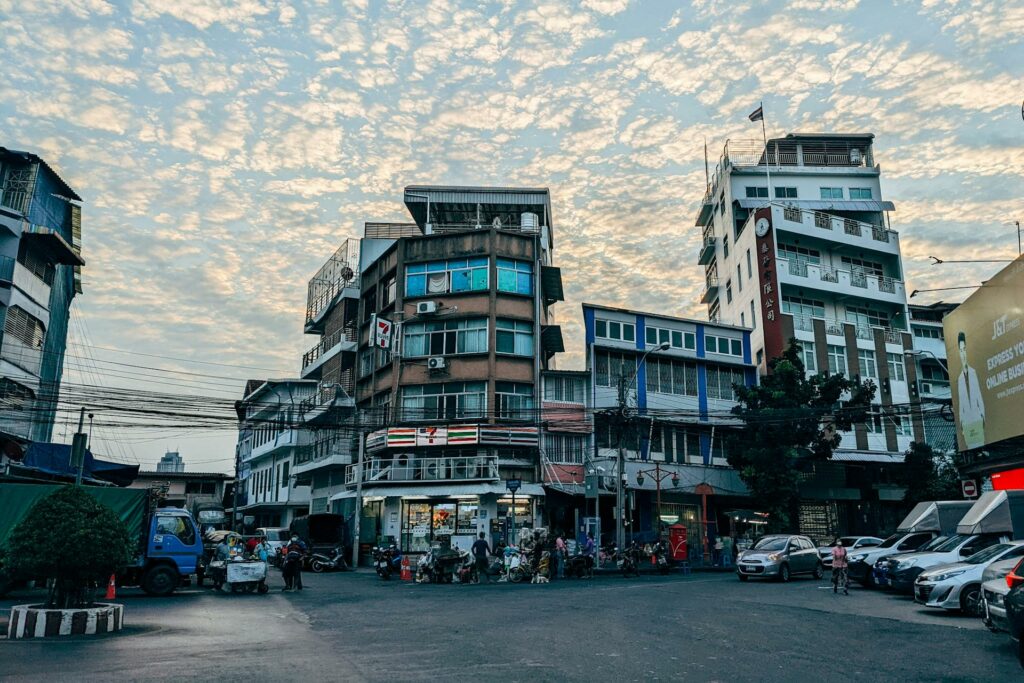
Question: What Is the Alternative to Gentrification? Answer: The alternative to gentrification is equitable development, focusing on revitalization without displacement. This involves strategies like inclusionary zoning, stronger tenant protections, and community land trusts to ensure long-term residents can afford to stay and benefit from neighbourhood improvements. Pathways Beyond Neighbourhood Displacement Urban neighbourhoods constantly change. New […]
Who Benefits From Gentrification?
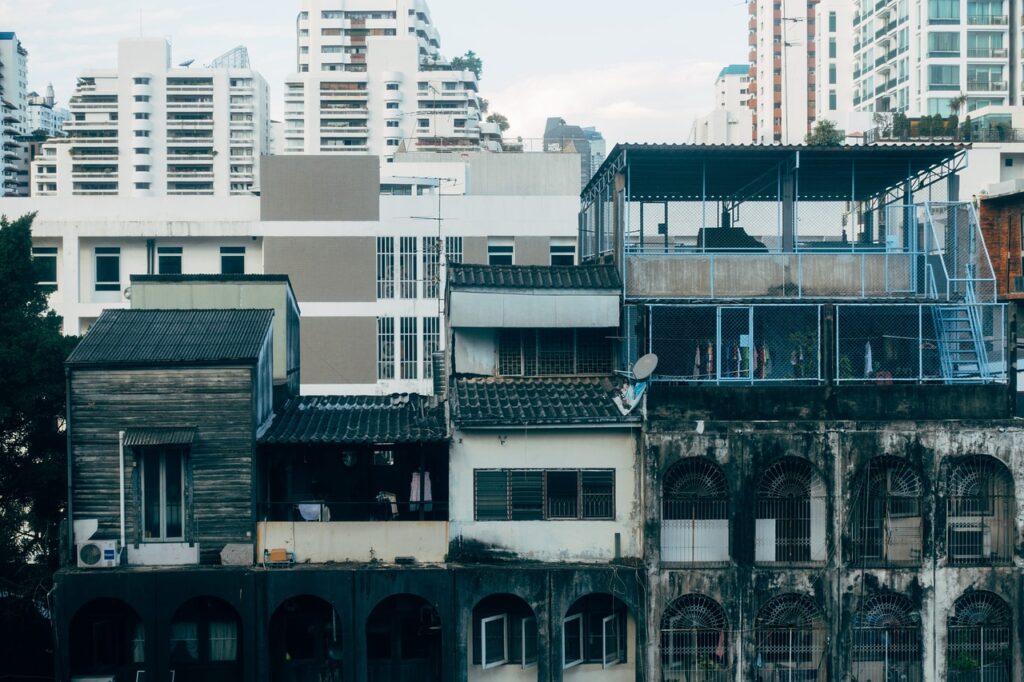
Question: Who Benefits From Gentrification? Answer: Those who benefit from gentrification primarily include property owners and real estate developers, who see significant financial gains through increased property values and new construction. Municipalities benefit from a higher tax base, and new, wealthier residents enjoy revitalized neighbourhoods with more amenities. The Beneficiaries of Neighbourhood Change Urban neighbourhoods […]
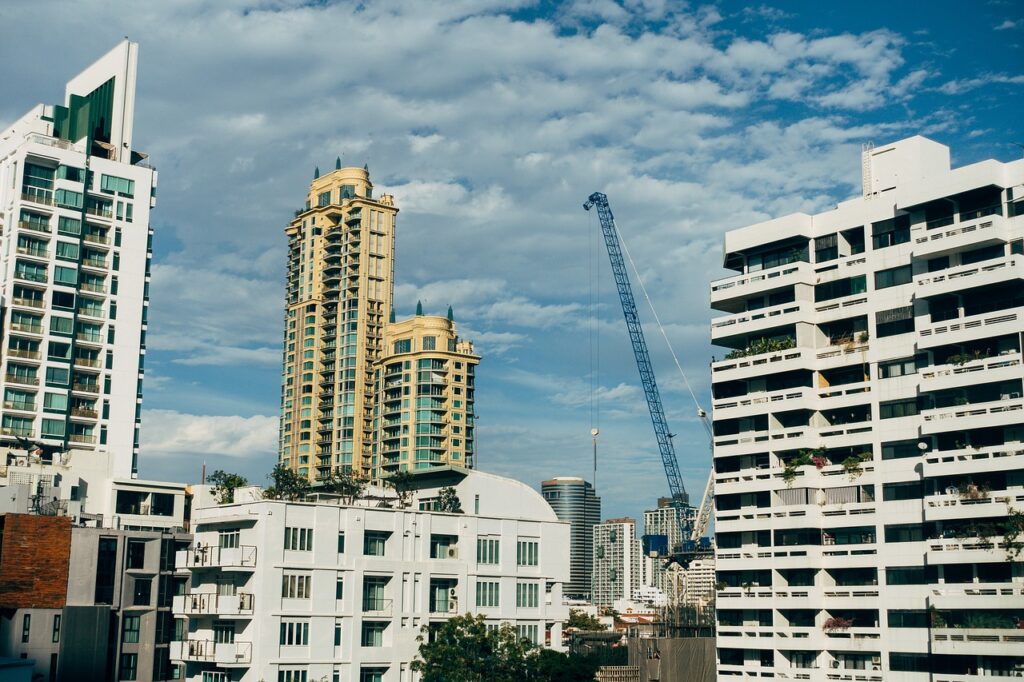
What Is the Major Problem with Gentrification?
Question: What Is the Major Problem With Gentrification? Answer: The major problem with gentrification is the displacement of long-term, often lower-income residents. As property values rise, soaring rents and property taxes can force established households out of their neighbourhood, eroding the community’s original social and cultural fabric. The Central Challenge of Neighbourhood Change Urban neighbourhoods […]
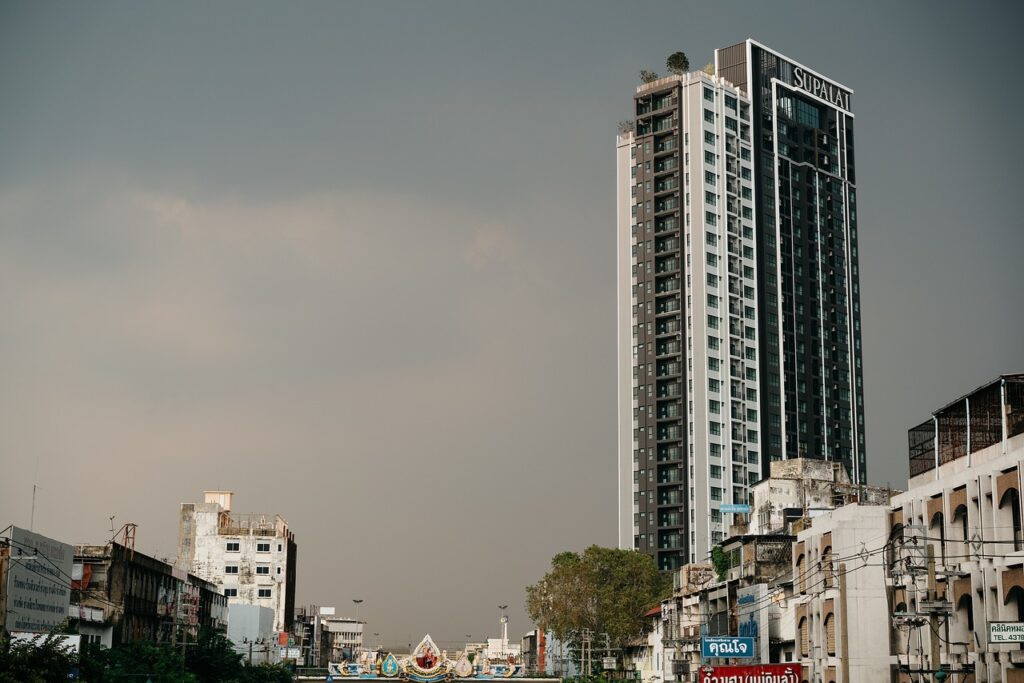
What Are the New Forms of Gentrification?
Question: What Are the New Forms of Gentrification? Answer: Today’s forms of gentrification includes “renovictions,” where tenants are evicted for upgrades; the rise of short-term rentals reducing housing supply; and “green gentrification,” where new parks in a neighbourhood inadvertently increase property values and displace residents. Modern Neighbourhood Change The classic image of gentrification involves artists […]
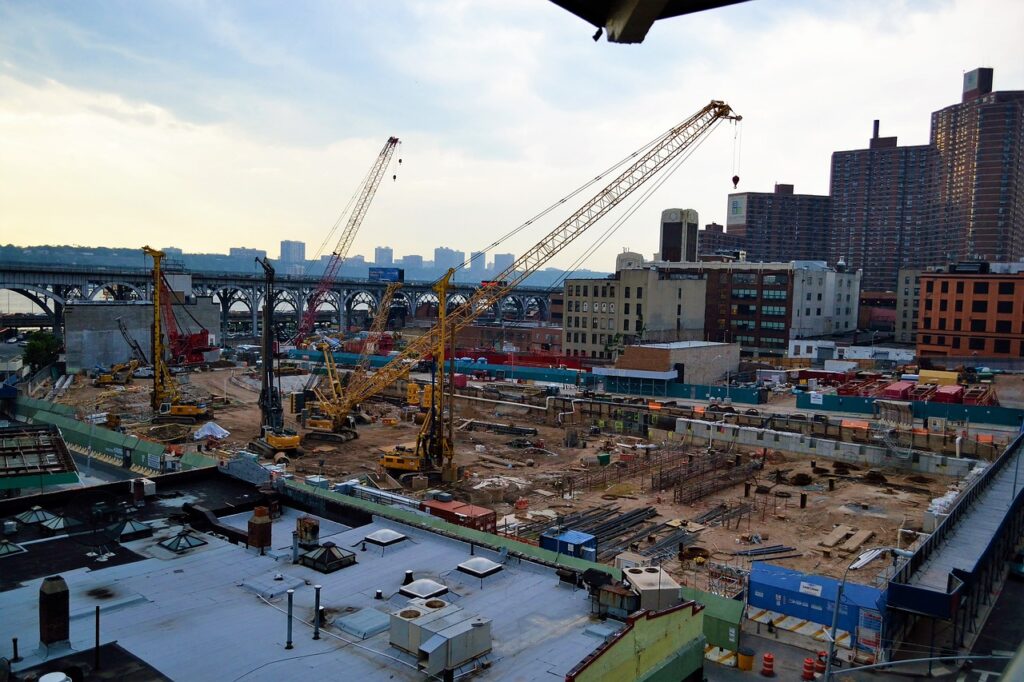
Gentrification Definition and Meaning
Gentrification and Its Meaning The term gentrification often appears in discussions about urban development and real estate. Understanding the definition and meaning of gentrification is important for homeowners, renters, and investors. Gentrification describes a process of neighbourhood change. It happens when wealthier people move into lower-income areas. This influx of new residents often leads to […]
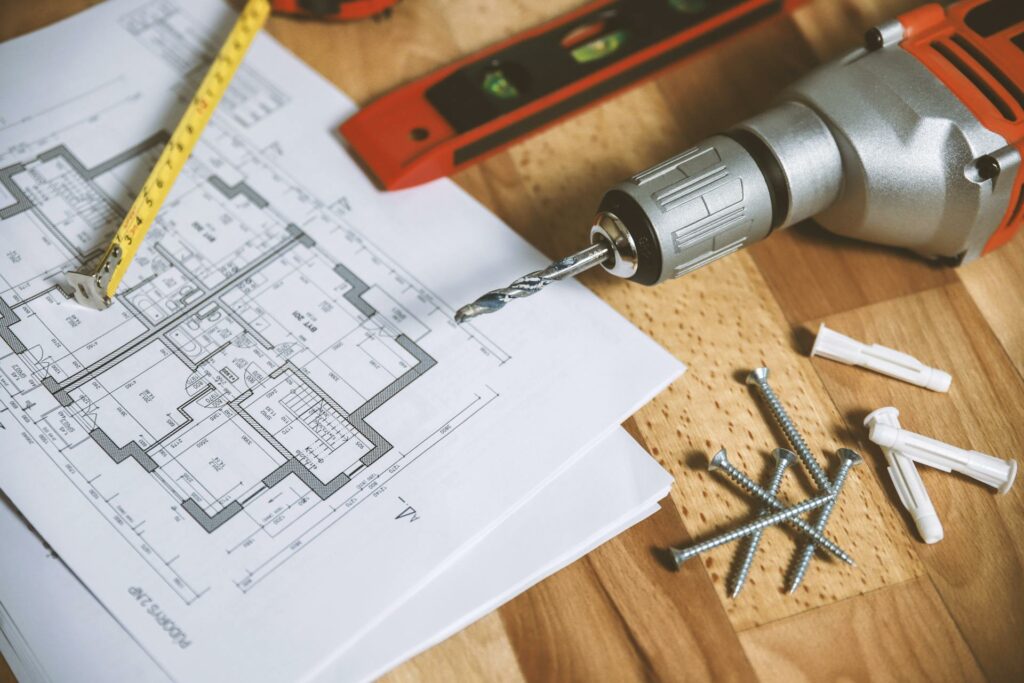
How Do I Measure the Square Footage of a House?
Question: How Do I Measure the Square Footage of a House? Answer: To measure the square footage of a house, calculate the exterior dimensions (length × width) of all finished, above-grade levels and add them together. This provides the Gross Living Area (GLA). Garages, unfinished basements, and porches are typically excluded from this total on […]

How Do I Avoid Land Transfer Tax in Ontario?
Question: How Do I Avoid Land Transfer Tax in Ontario? Answer: You generally cannot avoid land transefer tax in Ontario, but you may be eligible for a refund or exemption. The most common is the first-time home buyers refund. Other exemptions exist for specific situations, like transfers between spouses, inheritance, or certain transfers to a […]

Is the Garage Included in Square Footage?
Question: Is the Garage Included in Square Footage? Answer: No, a garage is not included in the main square footage. This figure represents the Gross Living Area (GLA)—the finished, heated space above ground. A garage is considered a non-living area, and its dimensions are typically noted separately in a property listing. Home Measurement and Your […]

Can You Deduct Real Estate Commissions From Capital Gains?
Question: Can You Deduct Real Estate Commissions From Capital Gains? Answer: Yes, you can deduct real estate commissions from capital gains. While not a standard tax deduction, real estate commissions are a selling expense. You can subtract this cost from the property’s sale price, which directly reduces your total capital gain and the amount of […]
What Are the Tax Implications of Selling a House Below Market Value in Canada?
Question: What Are the Tax Implications of Selling a House Below Market Value in Canada? Answer: Tax implications of selling a house below market value in Canada can be significant. When selling to a non-arm’s length party (like family), the seller is deemed to have sold at Fair Market Value (FMV). Capital gains are calculated […]

Are Realtor Fees Tax Deductible for Rental Property?
Question: Are Realtor Fees Tax Deductible for Rental Property? Answer: Whether or not realtor fees are tax deductible for a rental property depends on several factors. Fees for finding a tenant are deductible as an operating expense. Commissions from buying are added to the property’s cost basis and depreciated. Fees from selling are used to […]
How Do I Avoid Capital Gains Tax on Rental Property in Canada?
Question: How Do I Avoid Capital Gains Tax on Rental Property in Canada? Answer: Complete avoidance of Capital Gains Tax is rare. The main strategy is the Principal Residence Exemption (PRE). If you lived in the property, you can designate it as your principal residence for those years, sheltering a portion of the gain. Otherwise, […]

How Long Do You Have to Live in Your Primary Residence to Avoid Capital Gains in Canada?
Question: How Long Do You Have to Live in Your Primary Residence to Avoid Capital Gains in Canada? Answer: In Canada, there is no specific minimum time requirement to live in your primary residence to avoid capital gains tax. To qualify for the Principal Residence Exemption and avoid capital gains, the property must be “ordinarily […]
Should I Buy a House Close to a Highway?
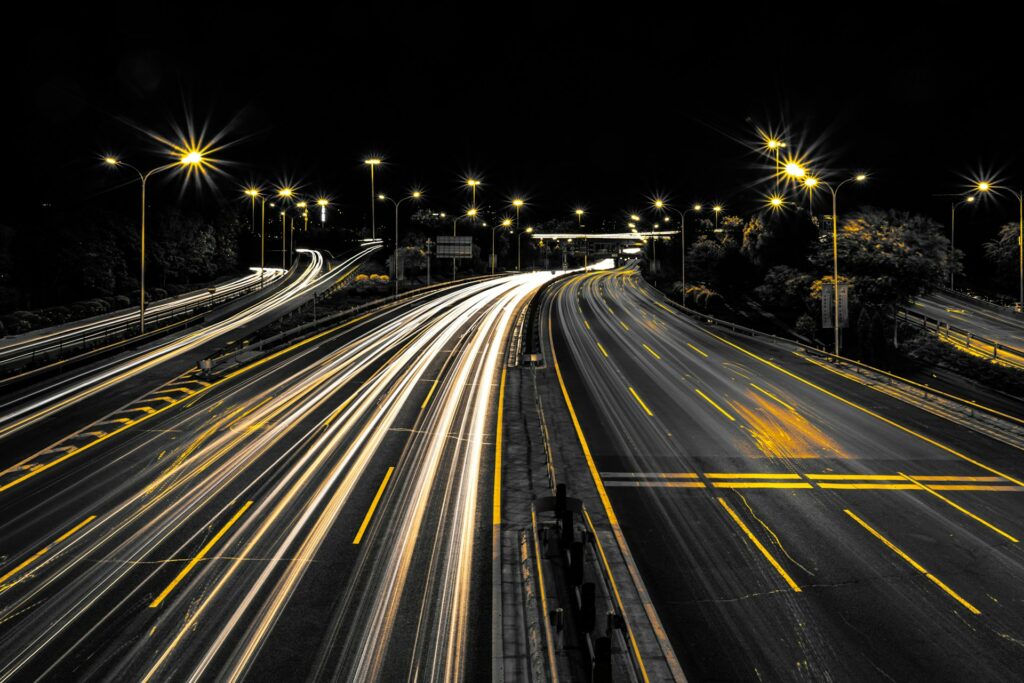
Question: Should I Buy a House Close to a Highway? Answer: Buying a house close to a highway is a trade-off. Proximity offers excellent commuter convenience and potential affordability. However, you must weigh the significant drawbacks of constant traffic noise, air quality concerns, and a possible negative impact on the property’s long-term resale value. Deciding […]
Impact of Proximity to Noise Sources on Home Values
How Nearby Noise Affects Your Home’s Value You find a home with the perfect layout, a beautiful kitchen, and a great backyard. The location seems ideal, close to amenities and with an easy commute. Before you make an offer, you must consider an invisible factor that can significantly alter your quality of life and your […]
Does Gentrification Help or Harm Neighbourhoods?
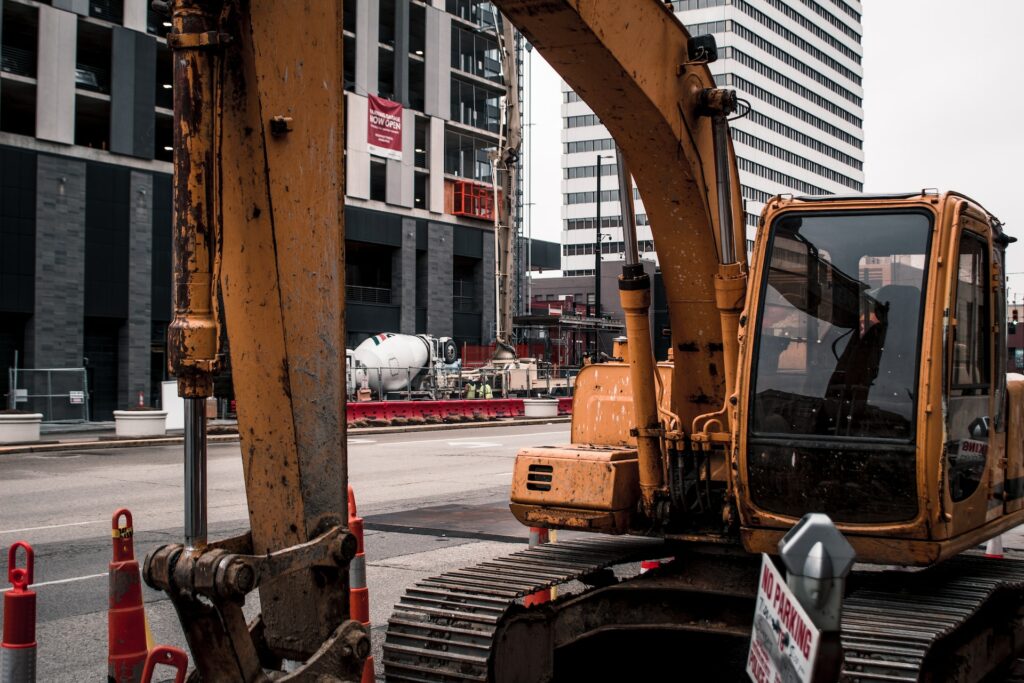
Question: Does Gentrification Help or Harm Neighbourhoods? Answer: Gentrification is complex; it can revitalize a neighbourhood with new investment and increased property values. However, it also drives up rents and property taxes, which can displace long-term, lower-income residents and alter the community’s established character. The Impact of Neighbourhood Change A neighbourhood changes when new, often […]
What Are the Signs of Neighborhood Gentrification?
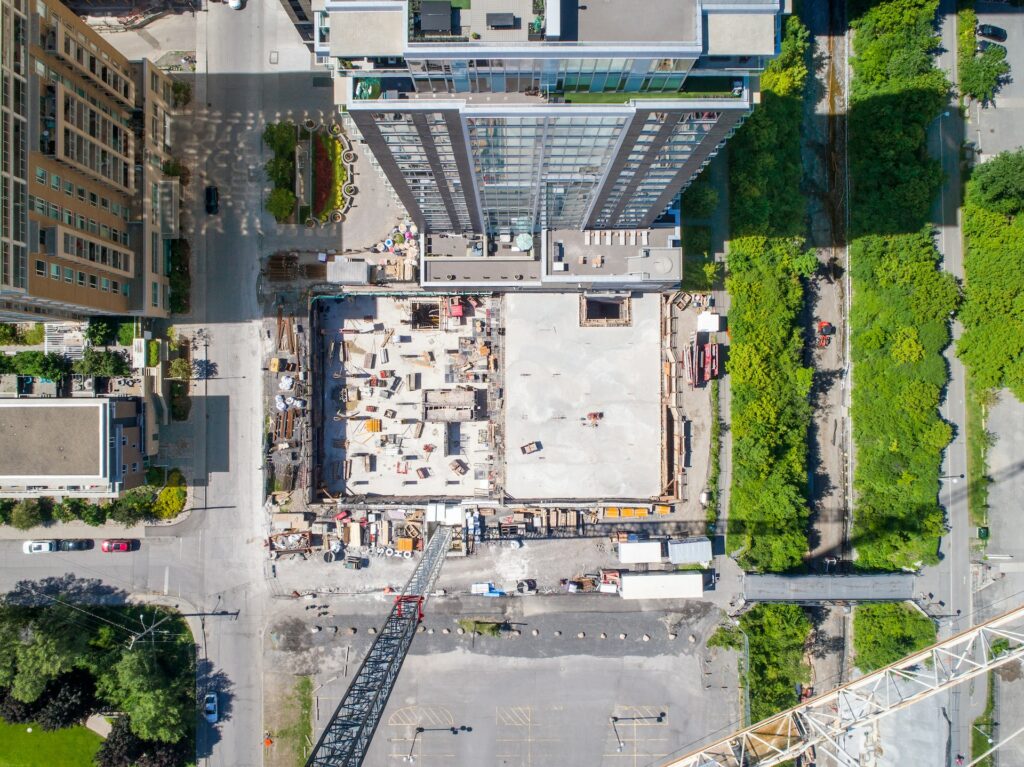
Question: What Are the Signs of Neighborhood Gentrification? Answer: The signs of neighbourhood gentrification include rapidly rising property values and rents, an increase in home renovations, and new condo developments. You will also notice a shift in local businesses, with trendy cafes and boutiques replacing long-standing shops, reflecting a change in the area’s demographics. Identifying […]
What Are Three Negative Effects of Gentrification?
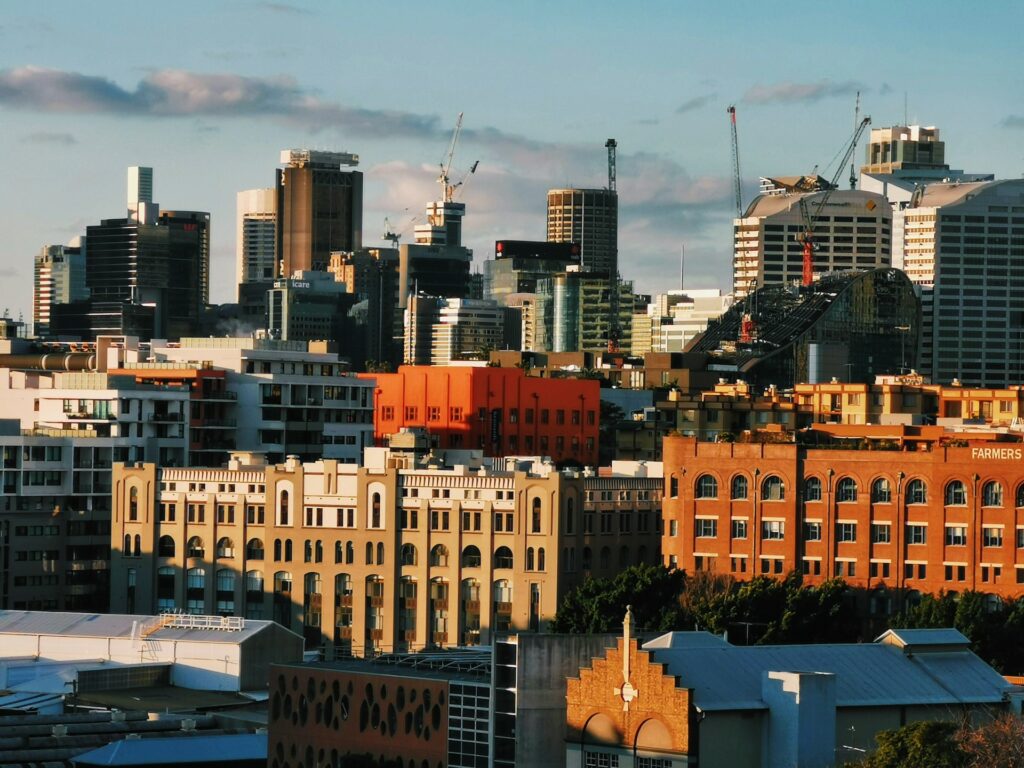
Question: What Are Three Negative Effects of Gentrification? Answer: Three major negative effects of gentrification are the displacement of long-term, lower-income residents due to rising rents, the loss of a neighbourhood’s unique cultural identity and local businesses, and increased financial strain on remaining community members from a higher cost of living. The Consequences of Urban […]
How Does Gentrification Affect Real Estate?
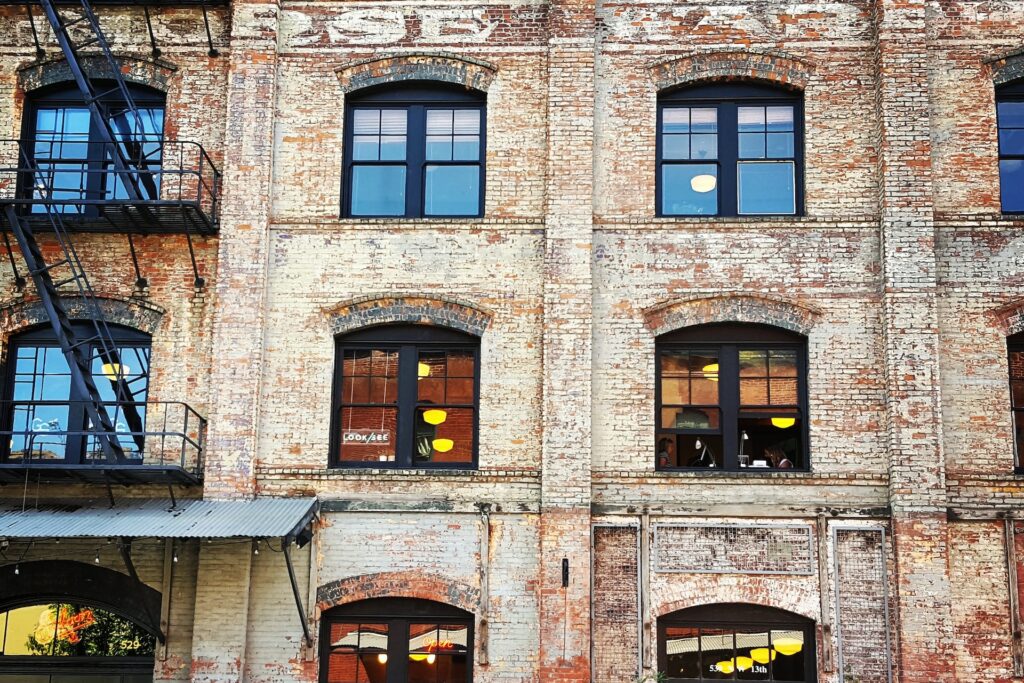
Question: How Does Gentrification Affect Real Estate? Answer: Gentrification affects real estate by driving up property values and rental rates as investment flows into a neighbourhood. This spurs new development and boosts demand, but can also displace long-term residents due to rising costs, especially as landlords increase rent between tenancies. Gentrification’s Impact on Real Estate […]
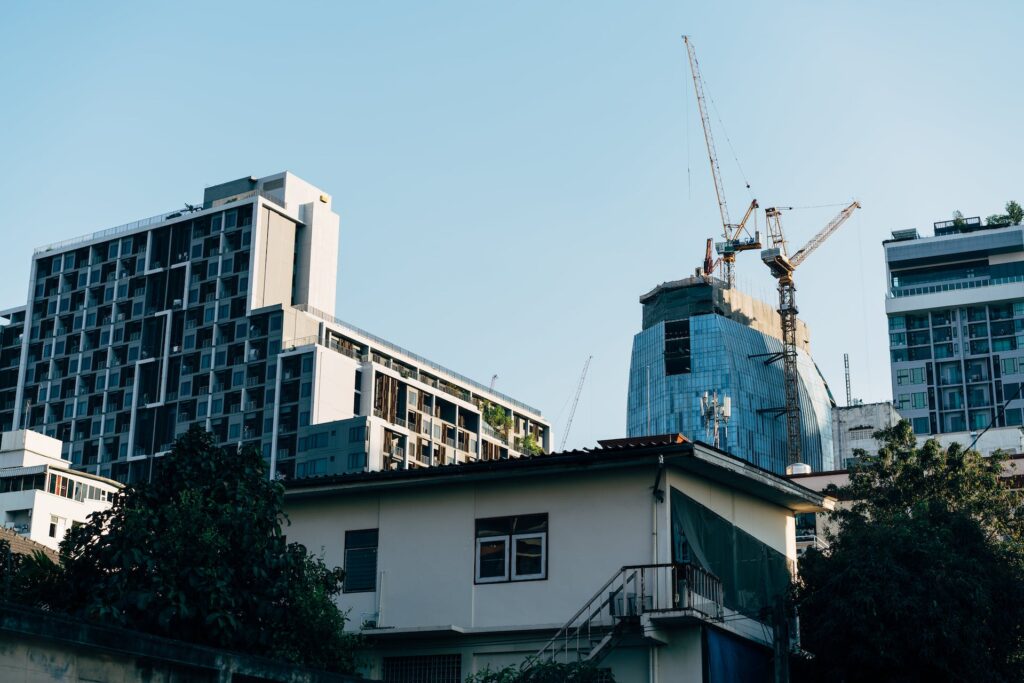
The Effect of Neighbourhood Development on Property Values
How Neighbourhood Growth Influences Your Property’s Value You may watch your home’s value change over time. Many factors contribute to these shifts. The local market, interest rates, and the condition of your home all play a part. One of the most powerful influences, however, is the community around you. Understanding the effect of neighbourhood development […]
What Are the Future Impacts of Climate Change on Housing and Buildings?
Question: What Are the Future Impacts of Climate Change on Housing and Buildings? Answer: Future impacts of climate change on housing and buildings include increased damage from extreme weather like flooding and wildfires, leading to higher insurance premiums and stricter building codes. Homes will require enhanced energy efficiency and climate resilience, impacting operating costs, renovation […]