
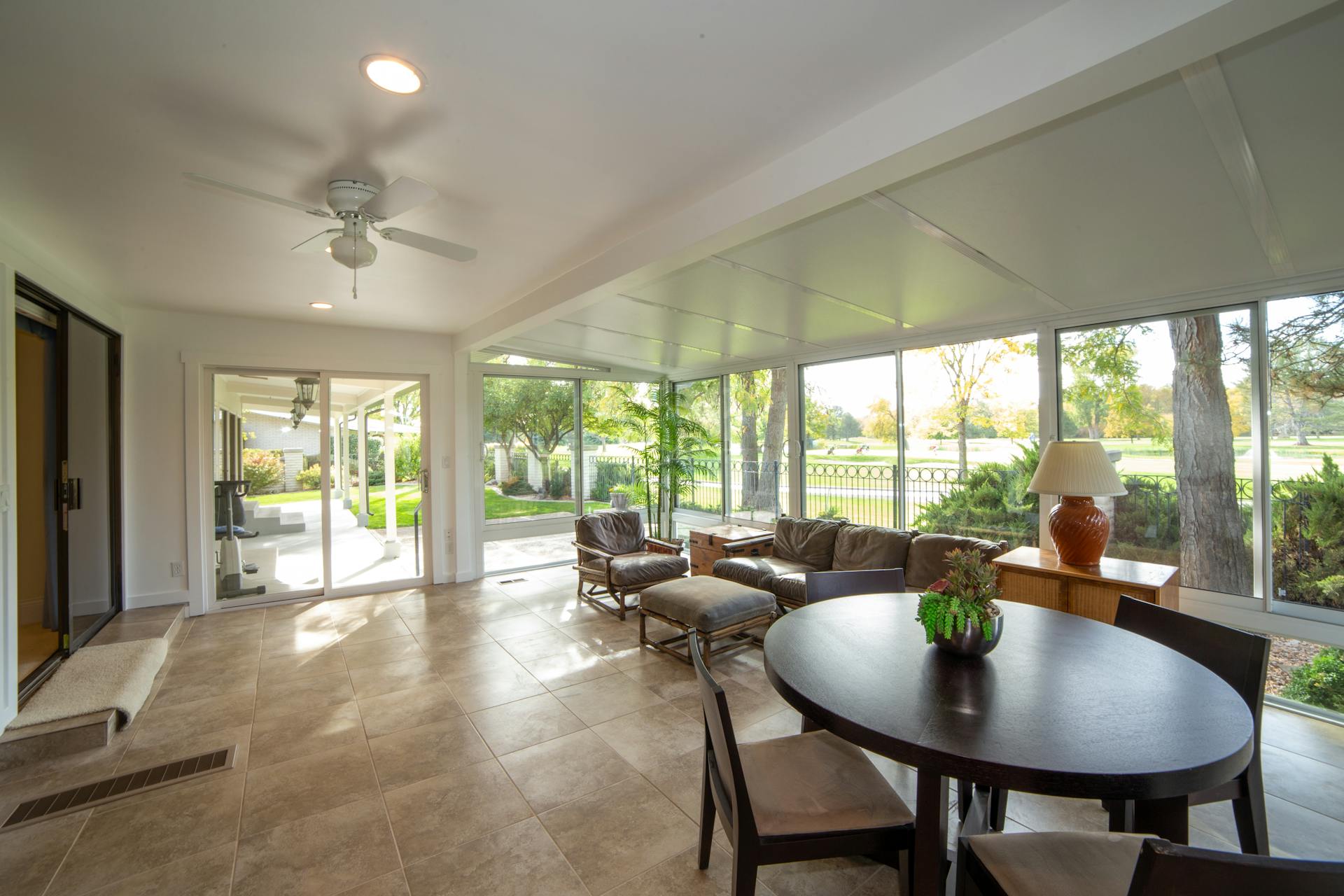

Question: Can You Build an Extension Without Foundations?
Answer: No, you cannot build an extension without foundations. A habitable extension legally requires a foundation. The Ontario Building Code mandates them to support the structure’s load and prevent damage from frost heave. This is essential for safety, structural integrity, and protecting your home’s long-term value.
Constructing Home Additions Without a Traditional Base
Many homeowners dream of expanding their living space. An extra bedroom, a sunny new family room, or a larger kitchen can transform a house. As you plan, a critical question often arises about the construction process. You may wonder if you can build an extension without foundations to save time and money. The simple answer for any significant, habitable addition is no. A foundation is the essential base that supports the entire structure, ensuring its stability and safety for decades. It anchors the extension to the ground and protects it from shifting soil and frost.
While the idea of skipping this step is tempting, it introduces serious risks. A proper foundation distributes the weight of the new addition evenly into the ground. In a climate with cold winters, it also extends below the frost line. This prevents the ground from freezing and pushing the structure upward, a process called frost heave. Without this protection, your new extension could shift, crack, and even separate from your main house. Understanding the fundamental role of a foundation is the first step in planning a successful and lasting home addition.
The Critical Role of a Solid Base
A foundation serves one primary purpose: to safely transfer the load of a building to the ground. Every part of your home extension, from the roof shingles to the drywall, creates a downward force. The foundation collects this weight and spreads it over a wide area. This distribution prevents the structure from sinking into the soil. The type of soil on your property greatly influences the foundation design. Clay soil expands and contracts with moisture, while sandy soil can shift. A structural engineer analyzes these conditions to design a base that can handle them effectively.
In our climate, the frost line is a major consideration. This is the depth to which the ground freezes during winter. Water in the soil expands when it freezes, exerting immense pressure on anything above it. This force, known as frost heave, can lift and damage structures that are not properly anchored. Building codes mandate that foundations for habitable spaces must extend below this frost line. This ensures your extension remains stable through every season. A well-built foundation provides peace of mind and protects the long-term value of your property investment.
Click the link for more information about how much your house is worth
Related Article: Is a Sunroom Cheaper Than an Extension?
Related Article: What Is the Most Expensive Part of a House Extension?
Local Building Regulations
The Ontario Building Code (OBC) provides the minimum standards for building design and construction. It clearly outlines the requirements for foundations to ensure all structures are safe and durable. According to the OBC, any addition that creates new habitable living space must have a foundation system that protects it from frost heave. This means the base of the foundation must sit below the established frost line for your specific region. This rule is not flexible. It applies to bedrooms, living rooms, kitchens, and any other heated space connected to your home.
Obtaining a building permit is a mandatory step for any home extension project. The permit process ensures your plans comply with the OBC, local zoning bylaws, and other safety regulations. To get a permit, you must submit detailed drawings, which an inspector will review. An inspector will also visit the site at key stages, including after the foundation footings are excavated and before concrete is poured. Building without a permit can result in stop-work orders, fines, and an order to remove the illegal structure. It also creates major problems when you decide to sell your home, as unpermitted work must be disclosed.
Considering Modern Foundation Alternatives
A traditional poured concrete foundation is not your only choice. Modern engineering has produced several effective alternatives that can save time and reduce site disruption. Helical piles, also known as screw piles, are a popular option. These are large steel posts with helical blades that a machine screws deep into the ground. They are installed until they reach a stable soil layer well below the frost line. An engineer determines the required depth and torque for each pile to guarantee it can support the intended load. Installation is fast and creates very little mess compared to excavation.
Helical piles are an excellent solution for properties with poor soil conditions, high water tables, or difficult access. They minimize impact on your existing landscape and can often be installed in a single day. Concrete piers are another alternative, typically used for lighter structures like decks and sunrooms. These are columns of concrete poured into tube forms that extend below the frost line. While these methods differ from a continuous concrete wall, they perform the same essential function. They are engineered systems that provide stable, long-lasting support for your home addition, fully complying with building code requirements.
The Dangers of Inadequate Support
Attempting to save money by building an extension without a proper foundation will almost certainly lead to costly problems. The risks associated with an inadequate base are severe and can compromise your entire home. The lack of proper support invites a host of issues that can appear within a few seasons or years. Understanding these dangers highlights why building codes are so strict about foundational support. The short-term savings are never worth the long-term consequences for your property and your family’s safety.
Structural Failure
Without a foundation, the extension will move independently from the main house. This leads to cracked drywall, sloping floors, and doors that will not close. In severe cases, the extension can pull away from the house, creating a dangerous structural gap.
Water Damage
A proper foundation is part of a home’s water management system. Without it, water can easily seep under the extension, leading to rot, mould growth, and pest infestations. This moisture can also damage the structure of your main home.
Devalued Property
An unpermitted, improperly built extension is a liability, not an asset. It will be flagged during a home inspection when you try to sell. Potential buyers will be deterred, or they will demand a significant price reduction to cover the cost of demolition and repair.
Insurance Issues
Home insurance policies may not cover damage originating from or affecting a non-compliant structure. If your poorly-built extension causes a fire or water damage to the main house, your claim could be denied entirely.
Building Your Extension the Right Way
So, can you build a habitable extension without a foundation? The answer is a definitive no. Any addition intended for living space requires a professionally designed and inspected foundation that meets or exceeds the standards of the Ontario Building Code. This non-negotiable step ensures your new space is safe, stable, and a valuable addition to your home. The foundation protects your investment from the powerful forces of nature, such as shifting soil and frost heave, preserving the structural integrity of both the new addition and your existing home for many years.
For very small, non-habitable accessory buildings, some exceptions may apply, but you must verify this with your local building authority before starting any work. For any significant project, the path to success involves hiring qualified professionals. An architect or designer can create plans that meet your needs, while a structural engineer can design the appropriate foundation for your specific property conditions. A reputable contractor will then execute the plans correctly and secure all necessary permits. Investing in a proper foundation is the single most important decision you will make for your home addition. It is the solid base upon which your project’s success and your home’s future value are built.