
Jennifer Jewell – Selling Real Estate in Orangeville, Mono, Shelburne, Caledon, Alliston and area
Real Estate Serving Orangeville, Caledon, Mono, Alliston, Shelburne, Mulmur, Dundalk, Amaranth, What's my house worth evaluation
Jennifer Jewell – Selling Real Estate in Orangeville, Mono, Shelburne, Caledon, Alliston and area
Real Estate Serving Orangeville, Caledon, Mono, Alliston, Shelburne, Mulmur, Dundalk, Amaranth, What's my house worth evaluation




CASE STUDY
Resa Studies
190+  Reviews




















CUTTING EDGE DIGITAL MARKETING
Part of providing a premium real estate service to our clients means hiring the best. Hiring a professional digital marketing agency to handle our home listings was a no brainer. Yopie.ca is a digital marketing agency that specializes in real estate with a great track record, only the best for my clients…
With over ten years in digital real estate marketing, Yopie.ca has spent millions of dollars advertising the sale of homes and has become an industry leader. Your home will be marketed by professionals certified in everything from Instagram and IHome to Facebook and Google, on over one hundred real estate websites and seven social media platforms, and most importantly, we have the ability to target people that are actively researching homes.


How Advanced is Our Marketing
THE FUTURE IS NOW
We know that every property is unique, with a different location, size and price always being a factor in determining potential buyers. Over the years we’ve compiled mountains of data on what demographics will sell your home, and sell it fast. Here are a few of the many things we are able to target when looking for buyers:

Time of Day

Location

Income Level

Age

Marital Status

Homeownership Status

Devices











6 Years in a Row
Chosen as one of the Top 3 Agents. Our 50-Point Inspection includes everything from checking reviews, ratings, reputation, history, satisfaction and trust.

The Town of Erin, nestled in the rolling hills of Wellington County, is currently undergoing its most significant transformation in over a century. The real estate market is heavily influenced by the completion of the long-awaited municipal wastewater treatment plant, a project exceeding $200 million. This critical infrastructure has finally unlocked the potential for major residential growth in the village cores of Erin and Hillsburgh. For decades, the market was limited by private septic systems, but today’s buyers are seeing the first wave of modern subdivisions and townhome developments that offer urban conveniences within a prestigious rural setting. Back to jenjewell.ca.
Inventory in Erin remains a unique blend of heritage estate properties and brand-new builds. The market has proven remarkably resilient compared to more volatile urban centers, largely due to the town’s high-income demographic and the scarcity of available land within the Greenbelt-protected areas. Properties here typically spend about 29 days on the market, with a strong 97% list-to-sale price ratio. This indicates a balanced market where sellers who price realistically are seeing successful transitions, while buyers are finding value in the town’s shift toward a “complete community” model that integrates new housing with preserved natural spaces.

Economic factors are favoring Erin as a top choice for professionals escaping the congestion of the GTA. With a median household income of approximately $127,000—well above the provincial average—the local population possesses significant purchasing power, which keeps property values high. The housing landscape is predominantly composed of single-detached homes (91.5%), but is seeing an increase in medium-density options, such as townhouses, to accommodate a younger demographic. Over 90% of households in Erin are owner-occupied, underscoring the town’s status as a place where people put down permanent roots rather than seeking short-term rentals.
For investors and families, the draw to Erin is the “lifestyle dividend.” The town serves as a bridge between the high-tech employment hubs of Guelph and Kitchener-Waterloo and the financial district of Toronto, with over 60% of residents commuting 30 minutes or more to work. The recent influx of provincial funding—including nearly $30 million for local water infrastructure—ensures that the town can support its projected population growth without sacrificing the environmental integrity of the West Credit River valley. As new developments like those along Eighth Line come to fruition, the real estate market is expected to remain a “blue-chip” rural investment, characterized by high demand for four-bedroom family homes and sprawling country estates.
Erin is the “Headwaters Town” where the West Credit River begins its journey. With a growing population nearing 12,000, it remains a community that balances sophisticated boutiques and historic architecture with thousands of acres of protected forest and farmland.
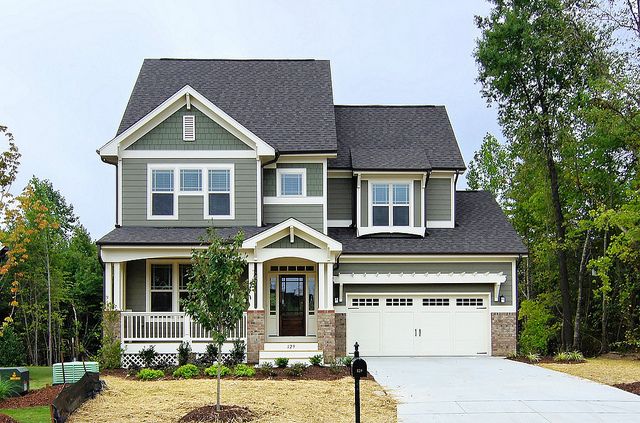
The history of Erin is inextricably linked to the power of the West Credit River. The first industrial spark occurred in 1826 when the Trout family built the initial sawmill at the lower dam. However, it was Daniel McMillan, a Scottish immigrant arriving in 1822, who truly shaped the village. Between 1834 and 1849, McMillan erected grist mills, an oatmeal mill, and a massive stone residence that later became the famous Globe Hotel. His relentless energy transformed a series of swamplands and bogs into a thriving industrial hub. By 1839, the local post office was established under the name “Macmillan’s Mills” before the village was eventually renamed “Erinsville” and finally “Erin”—a poetic nod to the Irish “Hibernia” roots of many early settlers.
Erin’s prosperity continued throughout the 19th century as a regional center for milling and wood products. The arrival of the Credit Valley Railway in 1879 connected local farmers and millers directly to the hungry markets of Toronto, leading to the village’s official incorporation that same year. Today, this industrial legacy is preserved at the Woollen Mills Conservation Area, where an interpretive trail allows residents to walk past the stone ruins of William Cornock’s 1840s flour mill. This heritage is the bedrock of the town’s identity, ensuring that even as modern subdivisions are built, the historic Main Street charm that Daniel McMillan helped build nearly 200 years ago remains the heart of the community.

The culture of Erin is a vibrant mix of rural traditions and modern family-centric activities. The Erin Fair, a Thanksgiving weekend staple since 1850, remains the highlight of the year, drawing thousands for its famous truck pulls, livestock shows, and homecraft competitions. From the “Erin Seedy Saturday” in early March to the “International Women’s Day: Pathways & Possibilities” luncheon, the town fosters a culture of active participation. Families often gather at Centre 2000, the town’s multi-purpose hub, which in February hosted the Rotary Club’s massive Family Day celebration, featuring everything from Bollywood dance classes to magic shows.
The lifestyle in Erin is defined by a deep connection to the outdoors and the slow food movement. Residents enjoy immediate access to the Elora Cataract Trailway for cycling and the Maple Syrup Experience at Elliott Tree Farm during the spring thaw. The local culinary scene is anchored by institutions like the Woolen Mill Kitchen, which offers popular after-school cooking programs for kids and gourmet workshops for adults. The community is also leaning into its identity as a “green” destination, with events like the Farmland Forum focusing on municipal farmland protection. Living in Erin means having a world-class theater in nearby Drayton and an artisan bakery on Main Street, all while being surrounded by the peaceful, rolling hills of Wellington County.
Opting for a local professional offers numerous advantages. As local real estate agents we have a better understanding of the specific codes and regulations in your area, ensuring compliance. Our proximity means faster response times for both appointments and services, crucial in urgent situations. Furthermore, using local realtors that are nearby are invested in their community’s well-being and reputation, leading to more personalized and dedicated service. By choosing local, you also support the local economy, fostering growth and sustainability in your community.
Jennifer Jewell, a licensed real estate
representative serving Caledon, Orangeville,
Amaranth, Alliston, Dundalk, Erin, Grand Valley,
Honeywood, Mansfield, Melancthon, Mono,
Mulmur, New Tecumseth and Shelburne.
Information provided for general purposes only and should not be relied upon as a substitute for professional advice.


Your information is being processed.
