

Question: What Are the Insurance Requirements for a Vacant Estate Property?
Answer: Insurance requirements for a vacant estate property are specific and must be addressed promptly. The estate executor must immediately inform the insurer that the property is vacant, as a standard policy is often voided. A specific vacant property policy or a vacancy permit is required to maintain essential coverage for perils like fire and liability, though some exclusions may apply.
Understanding Insurance Needs for a Vacant Estate Home
Managing an estate is a significant responsibility. Often, this duty includes handling a property that is suddenly empty. As an executor, you must protect the estate’s assets, and the house is usually the most valuable one. This leads many people to ask what are the insurance requirements for a vacant estate property. A standard home insurance policy may not provide coverage once a home is empty for a certain period, typically 30 days. This gap leaves the property vulnerable to immense risk.
Insurers view vacant homes differently than occupied ones. The risk of undetected issues like a water leak, a break-in, or fire increases dramatically when no one is there. A small problem can become a catastrophe without daily oversight. Understanding your obligations is the first step toward safeguarding the asset. This post explains the specific insurance you need, the conditions you must meet, and the steps to secure the right protection for an empty estate property.
Defining Vacancy and Its Impact on Insurance
Insurers draw a clear line between a vacant property and an unoccupied one. This distinction is critical because it directly affects your insurance coverage. An unoccupied home still contains personal belongings like furniture, clothing, and housewares. The residents are just temporarily away, perhaps on vacation or during a short hospital stay. They have every intention of returning to live in the home. Insurers see this as a lower risk because the home still looks and feels lived-in, deterring potential trespassers.
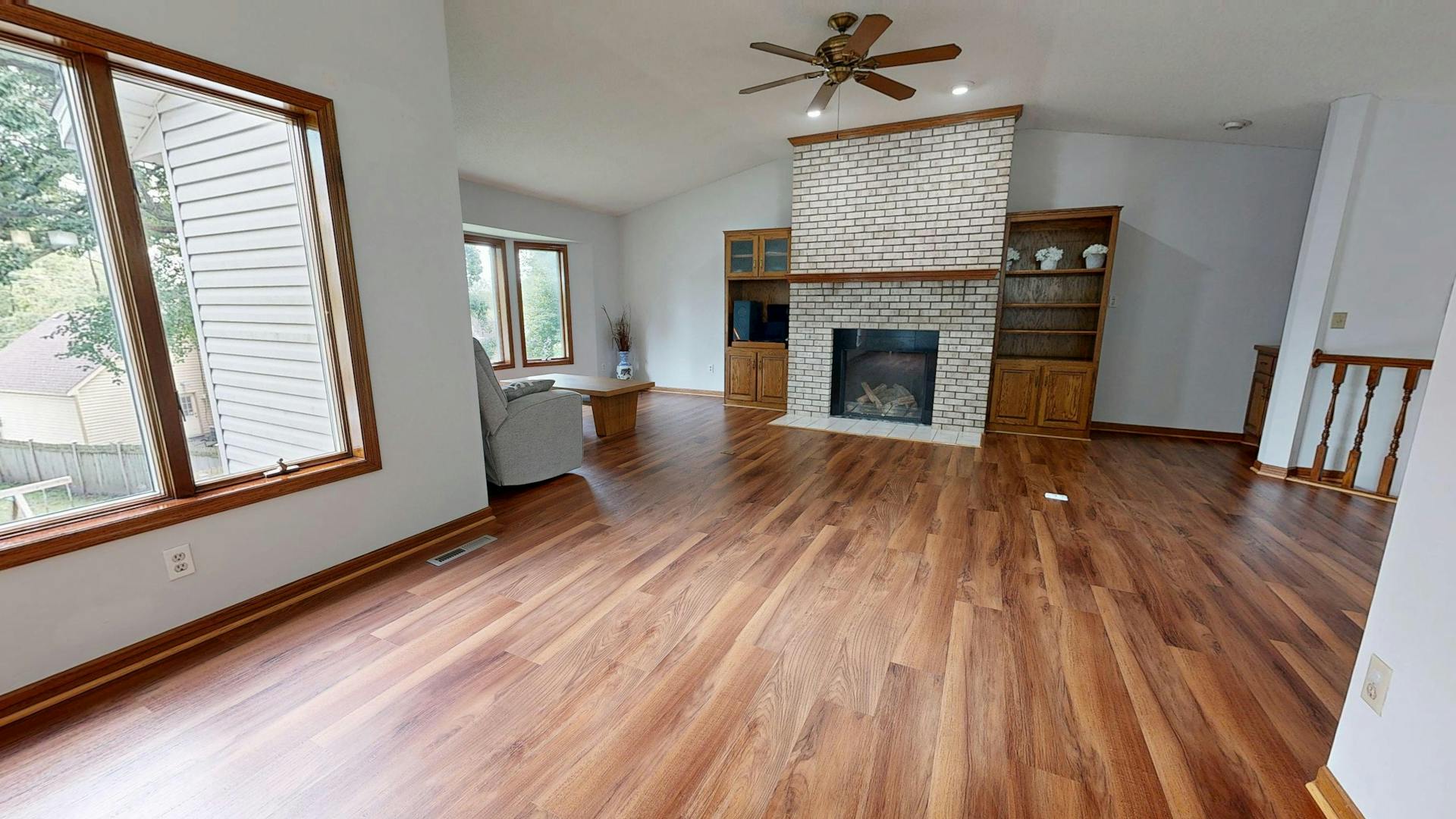
A vacant home, on the other hand, is empty of both people and personal property. All furnishings have been removed, and no one intends to reside there in the near future. This is common for an estate property waiting for probate to clear or for a sale to finalize. Insurers consider vacant homes a much higher liability. An empty house is a magnet for vandalism, theft, and squatters. Moreover, issues like a burst pipe or a leaking roof can go unnoticed for weeks, causing extensive and costly damage. Because of this elevated risk, a standard homeowner’s policy is usually voided after the home has been vacant for 30 consecutive days.
Click this link to read more about estate sale realtors
Related Article: How Do You Find a Reputable Estate Liquidator for Household Contents?
Related Article: Should You Renovate a Parent’s Home Before Putting It on the Market?
Securing the Right Type of Policy
When a standard home policy no longer applies, you need to obtain a specialized product. This is often called a Vacant Home Insurance policy or a Vacancy Permit, which is an endorsement added to an existing policy. It is crucial to inform the insurance provider immediately that the property is vacant. Hiding this information can lead to a denied claim, leaving the estate completely unprotected. This type of insurance is different from a comprehensive homeowner’s policy and typically costs more due to the higher risk involved.
Most vacant home policies are “named perils” policies. This means the policy only covers losses from risks that are specifically listed in the document. Common covered perils include fire, lightning, explosion, windstorms, and hail. However, many risks are often excluded from a basic vacant property policy. These exclusions frequently include vandalism, water damage, and glass breakage. You may be able to purchase additional coverage for these specific risks through endorsements, but this will increase the premium. It is essential that you read the policy document carefully to understand exactly what is covered and what is not.
Meeting Insurer Conditions to Maintain Coverage
Purchasing a vacant home policy is only the first step. To keep the coverage valid, the insurer will require you to fulfill specific obligations. These conditions are designed to mitigate the risks associated with an empty property. Failing to comply with these requirements can give the insurer grounds to deny a claim, even if you have been paying your premiums on time. You must actively manage the property according to the insurer’s terms. These conditions are not suggestions; they are mandatory parts of your insurance contract.
Insurers enforce strict rules to ensure the property is safe. The most common requirements include:
-
Regular Property Checks
You must arrange for a responsible person to visit and inspect the interior and exterior of the home frequently. The required frequency is often every 24 to 72 hours. This person should keep a detailed log of each visit, noting the date, time, and condition of the property.
-
Property Maintenance
The home must appear occupied. This means you need to maintain the exterior by cutting the lawn, collecting mail and flyers, and shovelling snow from walkways in the winter. An unkempt property is a clear sign that it is vacant and can attract unwanted attention.
-
Utility and System Management
Insurers often require you to shut off the main water supply and drain all pipes to prevent freezing and bursting. You must also maintain heat in the home at a minimum temperature, usually around 12 degrees Celsius, to protect the structure and systems from cold-weather damage.
How to Get and Pay for Vacant Property Insurance
The process of getting vacant property insurance starts with communication. Your first call should be to the insurance company that holds the current policy on the home. They need to know about the owner’s passing and the change in occupancy status. The company may be able to add a vacancy permit to the existing policy. If they are unable to provide coverage, you will need to seek out a new policy from a provider that specializes in vacant properties. An insurance broker can be a valuable resource here, as they can shop the market for you.
Be prepared for higher costs. Premiums for vacant home insurance are significantly more expensive than standard policies, often two to three times higher. The final price depends on factors like the property’s location, its value, the security measures in place, and the extent of coverage you choose. The estate is responsible for paying these premiums. As the executor, you will use funds from the estate’s bank account to cover this necessary expense. It is a cost of administration that protects the value of the primary asset for the beneficiaries.
Protecting the Estate’s Most Important Asset
Securing the right insurance for a vacant estate property is one of an executor’s most important duties. It is not a task to delay or overlook. A standard homeowner’s policy quickly becomes inadequate, exposing the property and the entire estate to significant financial and legal risks. Understanding the difference between an unoccupied and a vacant home is the starting point. From there, you must take proactive steps to acquire a specialized vacant home policy that addresses the unique threats an empty house faces, from vandalism to water damage.
Remember that this insurance comes with strict conditions. You must arrange for regular inspections and maintain the property to the insurer’s standards to keep your coverage active. While the premiums are higher, this cost is a necessary investment to protect the estate’s value. As an executor, fulfilling this obligation protects you from personal liability and ensures you honour your responsibility to the beneficiaries. Navigating this process while grieving can feel overwhelming. A real estate professional experienced in estate sales can connect you with trusted insurance brokers and help manage the property, ensuring all requirements are met while you focus on settling the estate.