
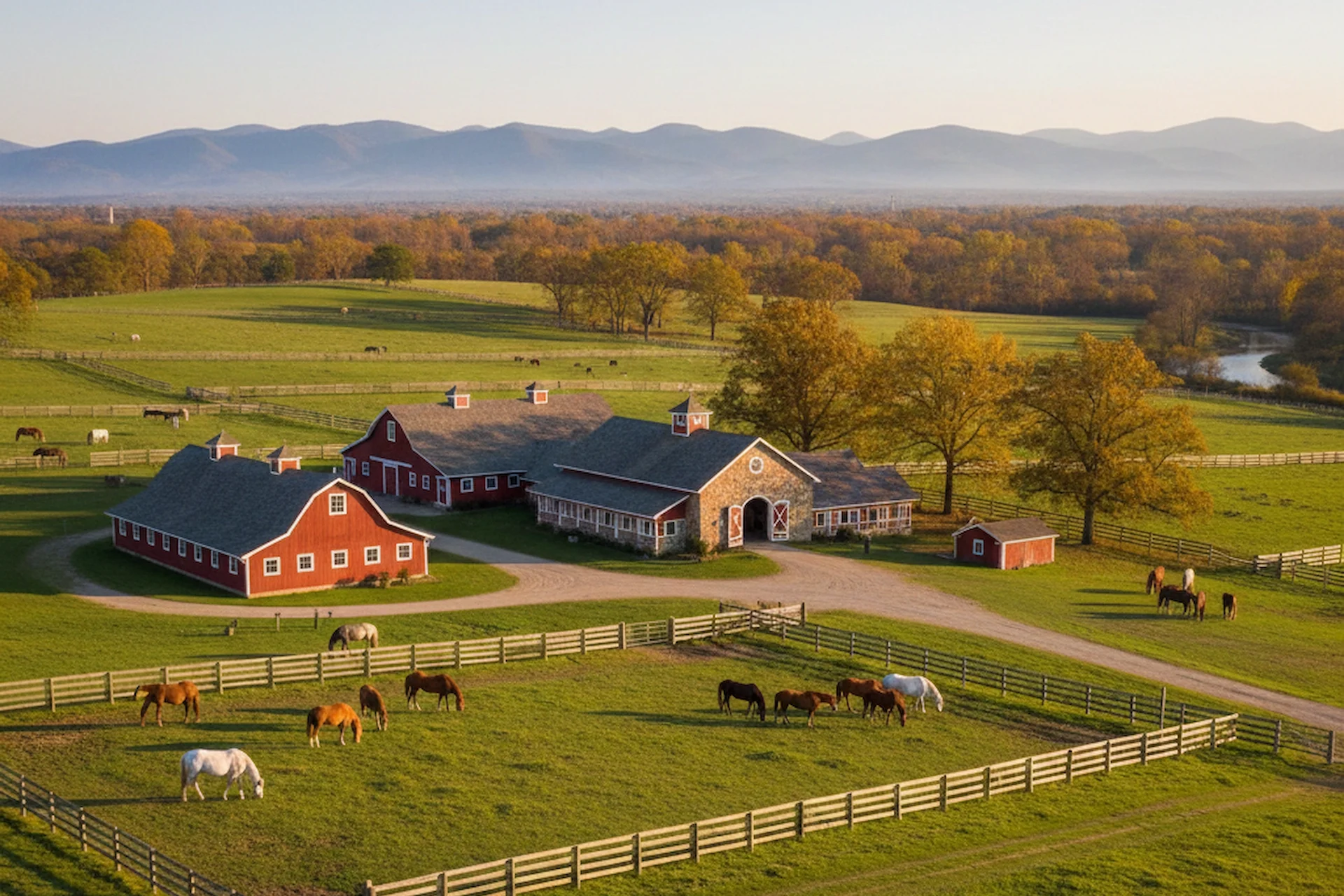

Question: What Are the Essential Features for a Safe and Functional Horse Barn?
Answer: Essential features for a safe and functional horse barn include excellent ventilation, non-slip flooring, and safe stalls. Also crucial are protected electrical wiring, frost-free water access, and secure, separate storage for hay and feed, all compliant with local building and fire codes.
Essential Features for a Safe and Functional Horse Barn
Owning a property with horses is a rewarding lifestyle. A key part of this lifestyle is the barn. The barn serves as your horse’s home, your workshop, and a hub of daily activity. Finding or building the right structure requires careful thought. Many prospective buyers ask what are some of the essential features for a safe and functional horse barn. The answer involves more than just a roof and four walls. It includes specific design choices that protect your animals from harm and make your daily chores efficient and enjoyable.
A well-designed barn prioritizes the health and well-being of your horses above all else. This means excellent air quality, safe and comfortable stalls, and a layout that minimizes stress. Functionality is equally important. A barn with a logical flow saves you time and effort every single day. From feeding to grooming and tacking up, every task becomes simpler in a thoughtfully planned space. This investment in design pays off with healthier horses and more time for you to enjoy them.
Foundations for Safety: Structure and Materials
A barn’s long-term safety starts with its foundation and structure. A strong, level foundation prevents shifting and structural stress over time. The frame must be engineered to handle heavy snow loads and strong winds, which are common weather challenges. You can choose between two primary materials for the frame: wood and steel. Wood offers a classic aesthetic and good insulation properties. Steel provides exceptional strength, fire resistance, and is impervious to pests.
Your choice of siding and roofing also impacts durability and maintenance. Metal roofing is a popular and practical choice. It sheds snow easily and lasts for decades with minimal upkeep. For siding, options like wood, vinyl, or metal each offer different benefits in terms of cost, appearance, and resilience. Regardless of the materials you select, ensure they are high quality and installed correctly. Adhering to local building codes is not just a legal requirement; it is a critical step in guaranteeing your barn is structurally sound and safe for everyone.
Click here for more information on professional equestrian realtors
Related Article: Which Is Better for My Equestrian Needs: an Indoor Arena vs Outdoor Ring?
Related Article: What Are the Different Equestrian Property Classifications in Ontario?
The Importance of Airflow and Illumination
Good ventilation is non-negotiable for a healthy barn environment. Horses have sensitive respiratory systems. Poor air quality, caused by ammonia from urine and dust from hay and bedding, can lead to serious health problems. An effective ventilation system constantly moves stale air out and brings fresh air in. Ridge vents along the peak of the roof and vented soffits are excellent for passive airflow. Cupolas also help draw warm, moist air up and out of the building.
Large windows and Dutch doors improve ventilation and provide natural light. Natural light creates a more pleasant environment for both horses and humans. Windows should be made with safety glass or protected by a grille to prevent breakage. For artificial lighting, choose fixtures that are rated for agricultural use. All electrical wiring must be encased in metal or PVC conduit. This simple step prevents horses from chewing on wires and dramatically reduces the risk of a fire. Proper lighting in all areas, including stalls and aisles, ensures you can safely work in the barn at any hour.
Efficient Layouts and Essential Work Areas
A functional barn layout makes daily chores faster and safer. The central aisle should be the main artery of the barn. A width of 12 to 14 feet allows a horse and handler to pass another pair safely. It also provides enough room to operate small equipment. The aisle floor needs a non-slip surface. Broom-finished concrete offers texture, while rubber pavers provide excellent grip and cushioning. A smooth, level floor makes sweeping and cleaning much easier.
Dedicated rooms for specific tasks keep the barn organized and efficient. A dry, secure tack room protects your expensive equipment from moisture and theft. The feed room should have rodent-proof bins to store grain safely. Keep it separate from your tack room and any veterinary supplies. A well-drained wash stall with hot and cold water is essential for grooming and first aid. Include safe cross-ties and easy access to supplies. These functional spaces create a workspace that supports your horse care routine.
Implementing Critical Fire Safety Measures
A barn fire is a horse owner’s worst nightmare. Prevention is the most effective strategy for fire safety. Start with the barn’s electrical system. A licensed electrician should install and regularly inspect all wiring. All outlets, switches, and light fixtures must be designed for agricultural environments to keep dust and moisture out. Enforce a strict no-smoking policy throughout the property and post clear signs. Keep the area around the barn clear of tall grass, weeds, and other flammable debris.
Proper storage of flammable materials is also critical. The best practice is to store hay and bedding in a separate structure away from the main barn. If you must store hay in the barn loft, ensure it is fully cured before stacking. Improperly cured hay can spontaneously combust. Stack bales with air gaps to promote circulation and dissipate heat.
Equip your barn for an emergency.
-
Fire Extinguishers
Place ABC-rated fire extinguishers at every main exit and near high-risk areas like the feed room or electrical panel.
-
Clear Egress
Keep aisles and doorways completely clear of equipment, wheelbarrows, and clutter. Your exit paths must be unobstructed.
-
Emergency Halters
Hang a simple leather or breakaway halter and a lead rope on each stall door for quick access during an evacuation.
Connecting the Barn to Outdoor Spaces
The barn does not exist in isolation. Its connection to paddocks and pastures is a key part of its functionality. Direct access from stalls to individual paddocks gives horses more freedom of movement. It also simplifies the daily routine of turning horses out and bringing them in. This design can reduce horse and handler stress. Ensure the gates and laneways connecting the barn to larger pastures are wide, secure, and easy to operate in all weather conditions.
To protect your pastures during wet or muddy seasons, create a sacrifice area. This is a smaller, all-weather paddock near the barn. It can have a footing of sand or stone dust that provides good drainage. Using this area prevents your main grass pastures from becoming overgrazed and damaged. Fencing for these high-traffic areas must be extremely safe and durable. Consider options like wood board or flexible rail fencing. Finally, plan for year-round water access. Heated automatic waterers near the barn save you from breaking ice in the winter and ensure your horses always have fresh water.
Conclusion
Building or buying a horse barn is a significant undertaking. The ideal structure balances the safety and comfort of your horses with the practical needs of your daily routine. Prioritizing features like a sound structure, safe stall designs, and excellent ventilation lays the groundwork for a healthy environment. A logical layout with dedicated work areas streamlines your chores, giving you more time to enjoy your animals. These elements are the core of a truly functional equestrian facility.
Fire safety and seamless integration with outdoor spaces complete the picture. Taking proactive steps to prevent fires and planning for emergencies provides essential peace of mind. Thoughtful connections to paddocks and pastures enhance your horse’s quality of life and protect your land investment. Finding a property with a barn that includes these features, or one with the potential to create them, is the first step toward building your perfect equestrian home. A safe and functional barn is not a luxury; it is the heart of your horse property.