

Question: What Is One Important Characteristic of Land That Adds to the Land’s Value?
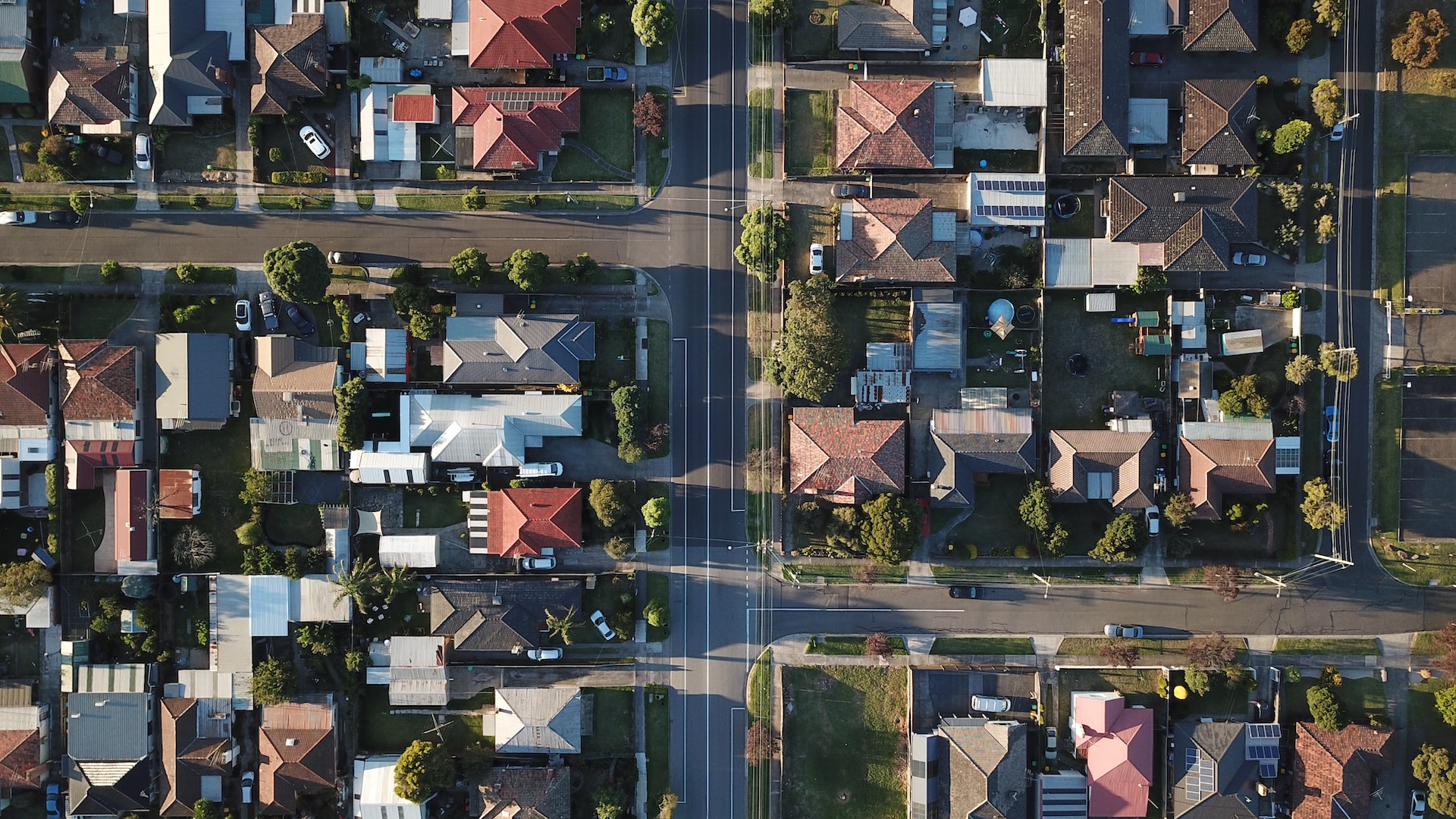
Answer: One important characteristic of land that adds to the land’s value is its location. The land’s physical spot relative to key amenities, infrastructure, and other properties—such as proximity to employment centers, transportation, schools, and water features—is a primary determinant of demand and, therefore, its market value
The Most Important Factors in Land Valuation
Investors and homebuyers often analyze many details when purchasing property. They look at size, topography, and potential uses. People often ask what is one important characteristic of land that adds to the land’s value? While several elements contribute to a property’s worth, one factor consistently stands above all others. This single, unchangeable attribute has the most profound impact on a parcel’s current and future price. That characteristic is location. You can change a building, alter the landscape, and even influence zoning, but you can never move the land itself. Its position relative to everything else is permanent.
The concept of location is not just about a prestigious address. It encompasses a wide range of interconnected factors that create desirability and demand. This includes nearness to essential services, the quality of the local community, and access to transportation networks. Understanding these layers of location helps you see why two identical pieces of land can have drastically different values. A deep dive into this topic reveals the true power of place in real estate valuation. It is the foundation upon which all other value is built.
Proximity to Amenities Defines Worth
A key aspect of a great location is its proximity to amenities that make daily life convenient and enjoyable. Land situated close to essential services commands a higher price. People value short commutes to grocery stores, banks, healthcare facilities, and shopping centres. Easy access to these resources saves time and reduces transportation costs, which directly translates into higher land value. Buyers are willing to pay a premium for the convenience of having everything they need just a short walk or drive away.
Access to quality schools is another powerful driver of value, especially for families. Neighbourhoods with highly-rated public and private schools are always in high demand. This demand pushes up the value of all property within that school’s catchment area. Similarly, access to recreational facilities like parks, community centres, and walking trails enhances quality of life. Green spaces provide places for relaxation and activity, making an area more attractive to a wider range of buyers. A property’s nearness to these desirable features contributes significantly to its overall worth.
Follow this link to get a free home evaluation
Related Article: What Is Land Valuation Highest And Best Use?
Related Article: What Valuation Method Usually Gives the Highest Valuation and Why?
Neighbourhood Character Shapes Desirability
The character of a neighbourhood adds another layer to the concept of location. This includes the area’s reputation, its overall aesthetic, and the sense of community. A well-maintained neighbourhood with a strong identity and pride of ownership is highly desirable. People are drawn to areas that feel safe, clean, and welcoming. Low crime rates and active community associations contribute positively to land values, as buyers seek a secure and stable environment to live and invest in.
The social infrastructure of a neighbourhood also plays a vital role. This includes the quality of the local community, the presence of gathering places like cafes and local shops, and the overall atmosphere. A vibrant and engaged community makes a location more than just a place on a map; it makes it a home. Elements like mature trees, consistent architecture, and well-kept public spaces all contribute to this character. These intangible qualities create emotional appeal, which in turn fuels demand and supports strong, stable property values over the long term.
Evaluating the Land’s Physical Features
While location is the primary driver of value, the specific physical attributes of the land itself are also very important. These features determine the cost and feasibility of development. A parcel of land that is ready for construction is more valuable than one that requires extensive work. Buyers and developers assess several key physical traits when evaluating a property. These traits can either enhance or detract from the value established by the land’s excellent location. Careful evaluation prevents unexpected costs and project delays.
The most significant physical characteristics include:
Topography and Soil
Flat, stable land is ideal for construction because it requires minimal site preparation. A property with steep slopes, rocky terrain, or poor soil conditions can dramatically increase building costs. The presence of a high water table or location within a floodplain can also limit development and reduce value.
Size and Shape
The dimensions of a parcel affect its utility. A large, rectangular lot is generally more flexible and valuable than a small or irregularly shaped one. The amount of frontage, or the length of the property bordering a street, is also a critical factor, as it affects access and subdivision potential.
Availability of Services
Access to municipal services is a major value determinant. Land that is already connected to city water, sewer, natural gas, and hydro is significantly more valuable than unserviced or rural land. Installing these services can be prohibitively expensive for a developer or individual builder.
Anticipating Future Development and Value
A truly great location possesses not only current appeal but also future potential. Astute buyers look beyond the present state of a neighbourhood to envision what it could become. Future growth and planned infrastructure projects can completely transform an area and cause land values to increase substantially. Information about these future developments is often publicly available through municipal planning departments. Researching a town or city’s Official Plan can reveal areas targeted for growth, which are prime locations for investment.
Major infrastructure projects are powerful catalysts for value appreciation. The construction of a new highway exit, public transit line, or GO station can drastically improve accessibility and attract new residents and businesses. Similarly, the development of a new hospital, university campus, or large employment centre can create a surge in housing demand. Investing in land near these planned projects allows a buyer to benefit from the subsequent rise in values. This forward-thinking approach to location analysis is how savvy investors build significant wealth in real estate over time.
Location is the Cornerstone of Land Value
Many factors contribute to the worth of a piece of land, but they all revolve around a single, central theme: location. This one characteristic is the most important because it is immutable and influences every other aspect of value. You can build a new house, clear trees, or even run new utility lines, but you can never change where the land is. The property’s placement determines its access to amenities, its development potential under zoning laws, and its connection to the surrounding community.
From proximity to schools and parks to its position in the path of future growth, location dictates demand. It shapes the daily lives of those who live there and defines the opportunities available to investors. When you evaluate land, you are not just assessing a plot of earth; you are assessing its relationship to the world around it. This perspective helps you understand why location remains the undisputed cornerstone of real estate value. It is the one element that provides lasting worth and secures a property’s appeal for generations to come.