
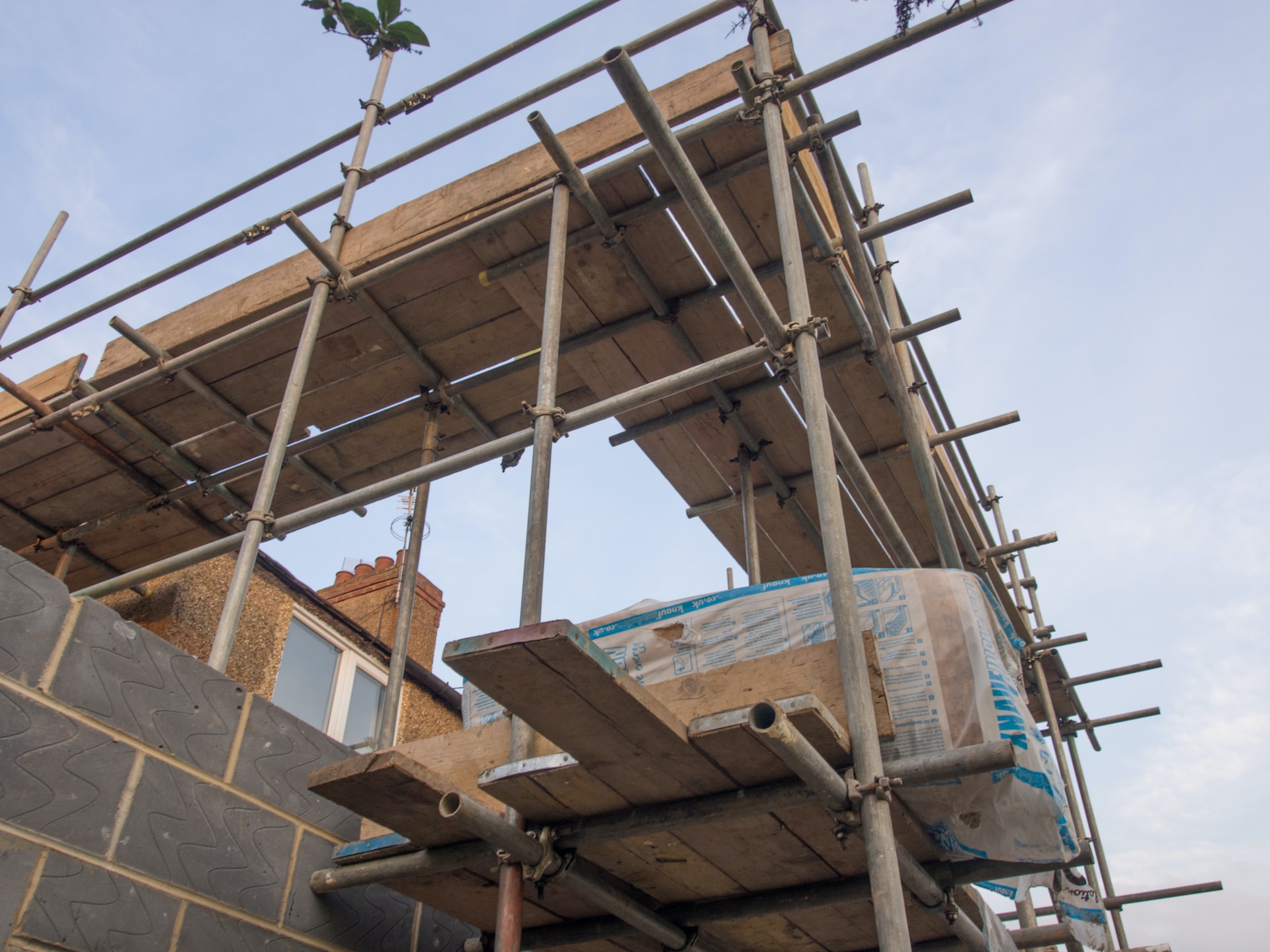

Question: Is Renovating Better Than Building?
Answer: The best choice between renovation and building depends on your project. Renovating is often faster and more cost-effective but can have design limitations and hidden issues. Building new offers complete customization and modern efficiency, though it typically involves a higher budget and a lengthier permit process.
Deciding Between Renovating a Home or Building a New One
Many people dream of their perfect home. This dream often leads to a major question. You must decide whether to update an existing house or construct a new one from scratch. The debate over is renovating better than building involves many important factors. Each path offers unique advantages and presents different challenges. Your final decision will shape your lifestyle and finances for years to come.
This choice goes beyond simple aesthetics. It involves a careful look at your budget, your timeline, and your desired location. You must also consider how much you want to customize your living space. Do you value the charm of an established neighbourhood or the clean slate of a brand-new property? Understanding the core differences between these two approaches is the first step. This knowledge helps you align your project with your personal goals and resources. We will explore these differences to give you clarity.
A Comparison of Project Costs
Your budget is a primary factor in your decision. Renovating and building have very different financial structures. A major risk with renovations is unforeseen issues. Problems like old wiring, hidden water damage, or asbestos can appear after work begins. These surprises quickly increase your total spending and can strain your budget unexpectedly. Key renovation costs often include the initial property purchase, materials, labour, and permits for the work.
Building a new home requires a different financial plan. In Ontario, you must also pay significant development charges to the municipality. These fees cover services like roads and sewers. While building a home often has a higher initial price tag, the costs are more predictable. You face fewer surprises because everything is new. Financing for a new build also differs from a simple renovation loan. A clear breakdown helps to see the financial picture.
-
New Build Costs
This path includes land acquisition, architectural plans, municipal permits and development fees, utility connections, construction labour, materials, and landscaping.
-
Renovation Costs
This route involves the home’s purchase price plus expenses for demolition, new materials, trade labour, permits, and a contingency fund for unexpected problems.
Click here to learn more about how much your home is worth
Related Article: Does Painting Kitchen Cabinets Increase Home Value?
Related Article: What Is the Disadvantage of Remodeling?
Choosing Your Neighbourhood and Lifestyle
The saying “location, location, location” holds true. Renovating gives you access to established neighbourhoods. These areas often feature mature trees, established schools, and a unique local character. You can buy a home in a community you already love and adapt the house to your needs. The lots in older areas are frequently larger and have more interesting shapes than those in new subdivisions. You get a known community with existing infrastructure and amenities. This factor is a powerful argument in favour of renovating for many families.
Building a new home usually means looking at newer developments. These are often located on the edge of cities or in growing towns. While you get a brand-new house, the community itself is also new. It can take years for trees to grow and for a neighbourhood to develop its own distinct feel. Finding a vacant lot in a mature, desirable area is possible but often comes at a very high price. If you choose to build, you are often choosing the house over a specific, established location. Your decision depends on what you value more: the perfect house or the perfect neighbourhood.
Balancing Personalization with Property History
Your desire for a personalized home is a key part of the decision. Building a new house offers almost unlimited customization. You control every single detail and you can design the floor plan to fit your family’s exact lifestyle. You choose the window sizes and placement to maximize natural light and select every finish, from the flooring to the light fixtures. This process lets you build a home that is a true reflection of your tastes and priorities. You can also integrate modern technology and the highest energy-efficiency standards from the beginning.
Renovating a home presents a different kind of opportunity. You work within the constraints of an existing structure. This can be a creative challenge that leads to innovative design solutions. The main benefit is the ability to preserve historic character. Elements like original hardwood floors, intricate mouldings, or a classic exterior have a charm that new homes cannot replicate. A successful renovation blends this old-world character with modern comforts and functionality. You get a home with a story and a unique personality, but you must accept some compromises on the layout and structure.
Working with Building Codes and By-laws
Both renovating and building require you to work with local authorities. The process for each is quite different. For a renovation, you need permits for any structural changes. This includes moving walls, altering plumbing, or updating electrical systems. The permit process is generally more straightforward for renovations than for new builds. However, you might face limitations. If your home is in a heritage conservation district, your exterior changes could be restricted. Local zoning by-laws might also limit the size of any additions you plan to build.
Constructing a new home involves a much more extensive regulatory process. You must submit a full set of architectural and engineering plans for approval. Your project must comply with the Ontario Building Code, which sets standards for safety and construction quality. You also have to follow municipal zoning by-laws that dictate what you can build and where it can be on the lot. Securing all the necessary permits and approvals can be a lengthy part of the new build process. It requires careful planning and often the help of professionals who understand the system.
The Ecological Footprint of Your Home
The environmental impact of your project is an increasingly important consideration. Renovating an existing home is often the more sustainable choice. This approach makes use of a structure that is already there. It reduces the amount of demolition waste that goes to a landfill. It also preserves the embodied carbon of the original home—the energy that was used to create and transport all its materials. You can significantly improve an older home’s performance by upgrading its insulation, windows, and heating systems, making it more energy-efficient for the future.
Building a new home provides a unique opportunity for green design. You can construct a house that meets the highest modern standards for energy efficiency. This could include a Net Zero home that produces as much energy as it consumes. You have the freedom to use sustainable building materials, install geothermal heating, or orient the house to take advantage of passive solar energy. While the construction process itself has a large carbon footprint, the long-term operational efficiency of a new green home can be superior. Your choice depends on whether you prioritize reusing materials or achieving peak operational efficiency.
Conclusion
The decision to renovate or build is deeply personal. There is no single correct answer. Each option presents a unique set of benefits and drawbacks that you must weigh against your own priorities. If you value an established neighbourhood and historic character, renovation may be the better path. It allows you to create a modern living space inside a home with a story. You can customize your home while embracing the charm of an older property and a mature community. Renovation connects the past with your future.
If your priority is complete customization and modern efficiency, building a new home might be the ideal solution. It gives you a blank canvas to create a home that perfectly matches your lifestyle and vision, with no compromises on layout or features. Consider your finances, your patience for the process, and what truly makes a house feel like a home to you. Carefully evaluating the costs, timeline, location, and level of control will guide you to the decision that best suits your family and your future happiness.