
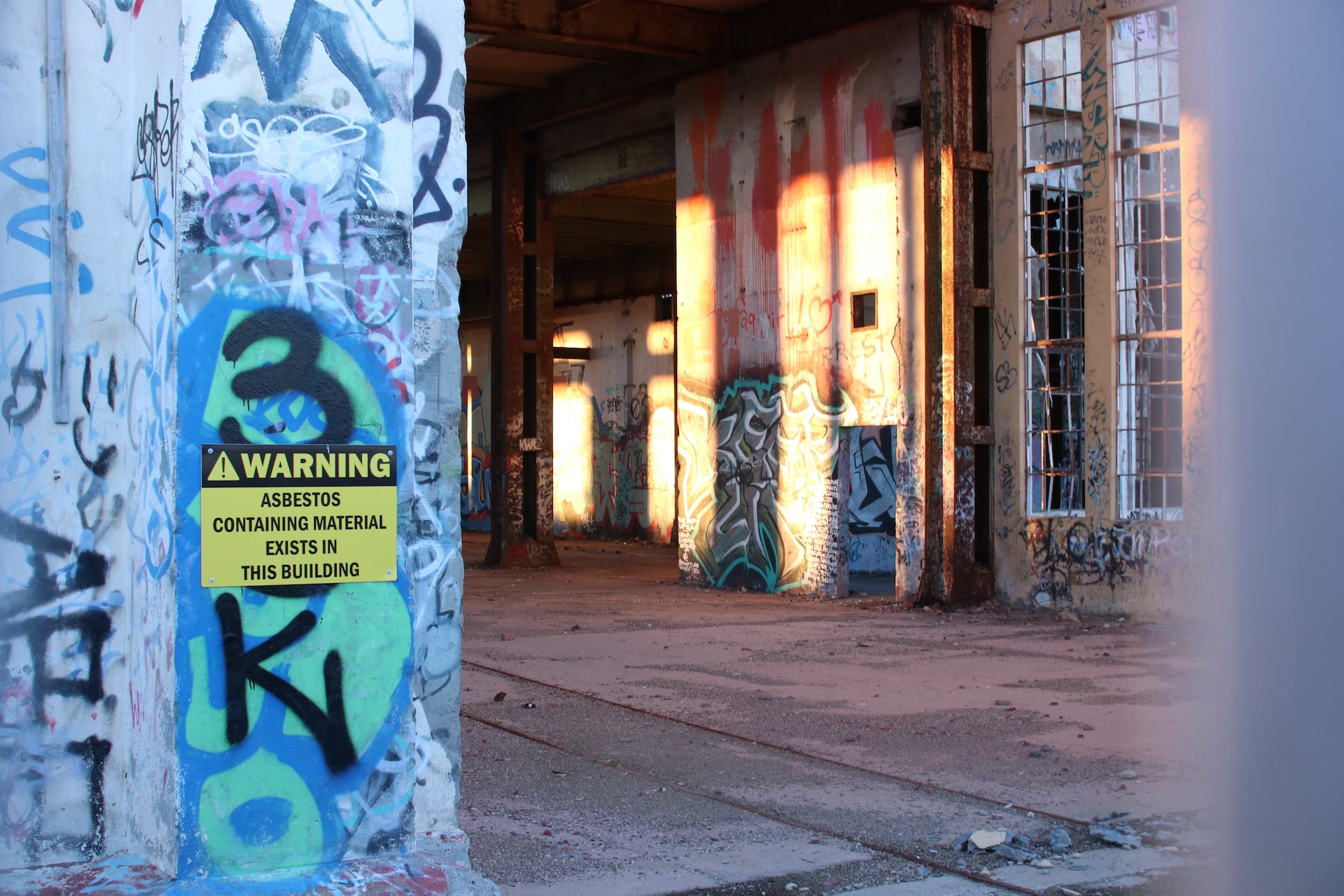

Question: What Are Some of the Asbestos and Lead-based Paint Hazards in Older Homes?
Answer: Both asbestos and lead-based paint in older homes become hazardous when disturbed. Renovations can release asbestos fibres from insulation or tiles, which can cause lung disease if inhaled. Chipping lead paint creates toxic dust that is especially harmful to children’s development if ingested.
Asbestos and Lead Paint Risks in Older Houses
Older homes possess a unique charm and character that many buyers find appealing. Their established neighbourhoods, solid construction, and classic designs offer a distinct appeal. Prospective buyers often ask what some of the asbestos and lead-based paint hazards are in older homes? Understanding these potential issues is a key part of the home-buying process. These materials were common in construction for decades because of their desirable properties, like fire resistance and durability. We now know they pose serious health risks when disturbed.
This knowledge should not discourage you from considering a character home. Instead, it empowers you to make informed decisions. Knowing where these hazards might exist, how to identify them, and the proper steps for management or removal protects your family’s health and your investment. A thorough approach to due diligence ensures you can enjoy the beauty of an older home while confidently managing its history. This information will help you look at older properties with a clear and prepared perspective.
Where Asbestos Hides in a Vintage Home
Asbestos is a naturally occurring mineral fibre. Builders once valued it for its strength, insulation properties, and resistance to fire and heat. Homes built before 1990 often contain asbestos in various forms. The material becomes a health hazard when its fibres become airborne and people inhale them. This typically happens when asbestos-containing materials are disturbed or damaged during renovations, repairs, or demolition. The fibres are microscopic, and you cannot see, smell, or taste them in the air.
You can find asbestos in many places throughout an older home. It is important to know these common locations. Awareness helps you identify areas that require caution and professional assessment. Do not disturb materials you suspect contain asbestos. Only trained professionals should handle and test these materials. Some common areas include:
-
Insulation
You may find vermiculite insulation in attics and walls. Some brands of this insulation contained asbestos fibres. -
Flooring
Vinyl floor tiles, particularly the 9×9 inch variety, and the adhesive used to install them often contained asbestos. -
Ceilings
Popcorn or stippled ceilings applied in the mid-20th century frequently used asbestos for texture. -
Pipes and Ducts
Asbestos insulation often wrapped around hot water pipes, heating ducts, and boilers to prevent heat loss.
Curious about the value of your property in Melancthon? Click here now
Related Article: What Are the Four Pillars Impacting Sustainable Sustainability in Real Estate?
Related Article: Solar Energy Systems and Their Effect on Real Estate Value
How to Spot Potential Red Flags
When you tour an older home, you can look for visual signs of potential asbestos or lead paint. This initial observation does not replace professional testing, but it can help you identify areas of concern. For asbestos, look for materials common before 1990. A stippled or “popcorn” ceiling is a classic indicator. Older vinyl floor tiles, especially in a 9×9 inch size, are another potential source. Check around furnaces, boilers, and hot water pipes for a white or greyish wrapping that looks like fibrous paper or cloth. This could be asbestos insulation.
For lead-based paint, pay attention to the condition of painted surfaces. Look for a distinctive cracking pattern that resembles alligator skin. This “alligatoring” is a common sign of old lead paint. You should also check high-friction areas like window sashes, door frames, and stair railings for chipping or peeling paint. Multiple thick layers of paint can also suggest that older, potentially lead-containing layers are buried underneath. If you see any of these signs, avoid touching or disturbing the area. Remember that only a certified professional can confirm the presence of these hazards through laboratory testing.
The Importance of Professional Assessment
Visual identification of asbestos and lead paint is unreliable. Many materials that contain these substances look identical to their non-hazardous counterparts. The only way to know for certain is through professional testing. A qualified environmental consultant or a certified inspector can perform this work safely. They follow strict protocols to collect samples without releasing dangerous fibres or dust into the home. They then send these samples to an accredited laboratory for analysis. This process provides you with a definitive answer and a clear understanding of the situation.
You can make testing a condition of your purchase offer. This clause gives you the right to have the property inspected for specific hazards. If the tests confirm the presence of asbestos or lead, you have several options. You can negotiate with the seller to have the material properly removed or managed. You might also negotiate a price reduction to cover the future costs of abatement. In some cases, you may decide to walk away from the purchase. Professional testing provides the concrete evidence you need to make these critical decisions and protect your interests.
Safe Solutions for Hazard Management
If testing confirms the presence of asbestos or lead paint in a home, you have options for managing the risk. The solution does not always require complete removal, which is also known as abatement. In some situations, encapsulation is a safe and effective alternative. For asbestos, this involves sealing the material with a special coating that prevents fibres from becoming airborne. For lead paint, encapsulation means covering it with a new, durable coating. This is often a good choice when the underlying material is in stable condition and is not likely to be disturbed.
When removal is necessary, you must hire certified abatement professionals. This is not a do-it-yourself project. Provincial regulations outline strict procedures for removing and disposing of hazardous materials. Asbestos abatement contractors use sealed work areas, specialized air filtration equipment, and personal protective gear to prevent contamination. Lead abatement specialists use similar containment methods to control lead dust during removal. They ensure the safe disposal of all hazardous waste. While these services represent a significant cost, they are essential for ensuring the long-term health and safety of your family.
Your Legal Duties as a Property Owner
Owning a home with known asbestos or lead paint comes with specific responsibilities. The primary duty is to ensure the safety of anyone living in or visiting the property. This means you must manage the hazardous materials to prevent exposure. If the asbestos-containing material or lead paint is in good, stable condition and is not being disturbed, you can often leave it in place. You should monitor its condition regularly for any signs of damage or deterioration. If you plan any renovations, you must take precautions.
Before any project that could disturb these materials, you must have them tested. If the tests are positive, you must use certified professionals for abatement. This protects your family and the workers from exposure. Furthermore, when you decide to sell the property, you have a legal obligation to disclose any known latent defects. This includes the presence of asbestos or lead paint. Full transparency protects you from future legal issues and allows the new buyer to make an informed decision. Honest disclosure builds trust and is an important part of a fair real estate transaction.
Moving Forward with Confidence
Discovering that a beautiful older home contains asbestos or lead-based paint can seem concerning. However, this knowledge is a powerful tool. It allows you to address the issues head-on, transforming a potential risk into a manageable part of homeownership. The key is to approach the situation with a clear plan. By relying on professional inspections and certified abatement specialists, you can ensure these materials pose no threat to your family. You can safely contain, encapsulate, or remove them according to established safety standards.
These hazards should not prevent you from buying the character home you love. They are simply factors to include in your overall evaluation and budget. An experienced real estate agent can help you navigate this process. They can recommend qualified inspectors and help you negotiate with the seller to account for any necessary remediation work. With the right information and professional support, you can confidently purchase an older home, secure in the knowledge that you have created a safe and healthy environment for your future.