
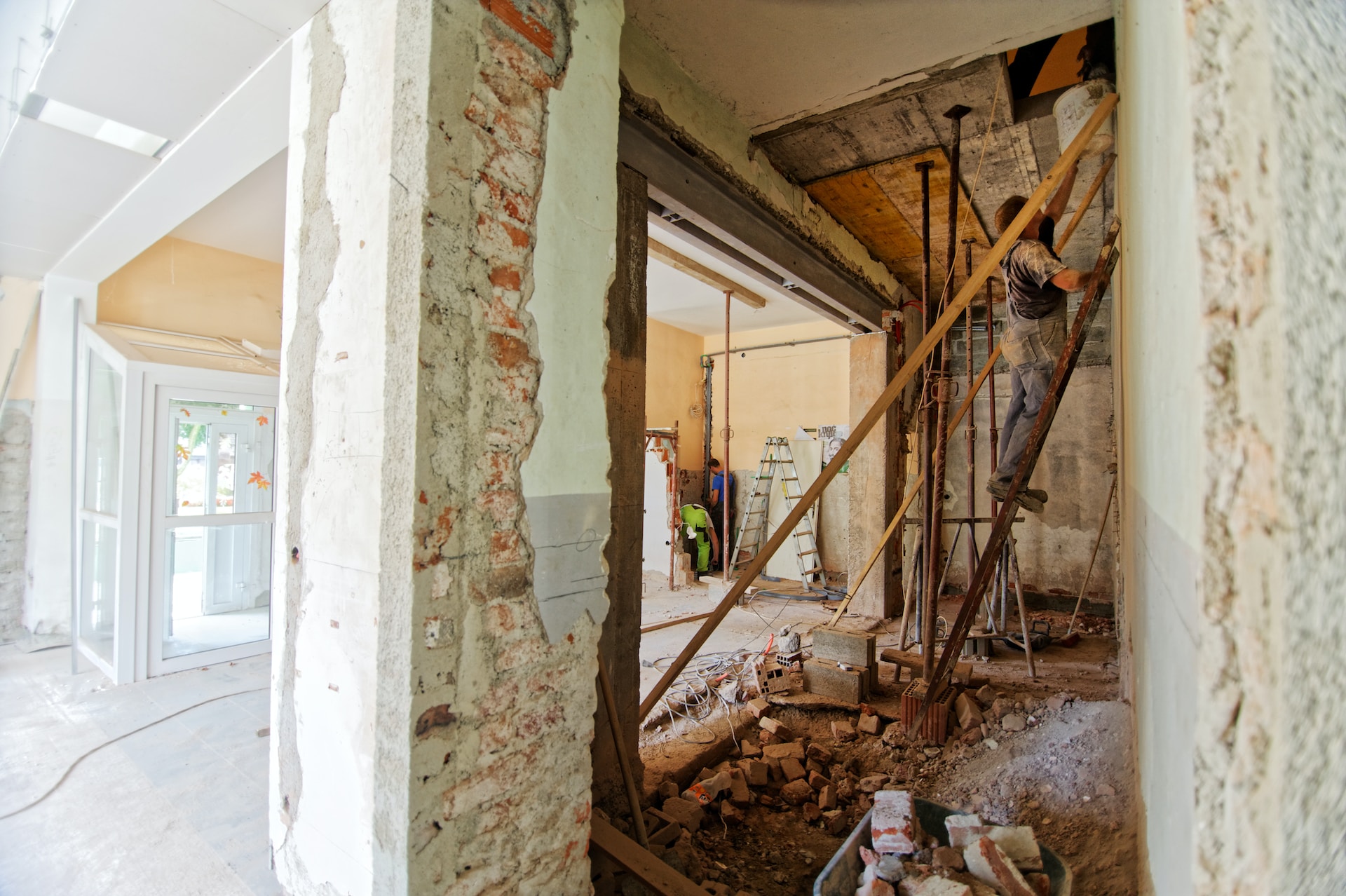

Question: What Is the Disadvantage of Remodeling?
Answer: The main disadvantage of remodeling is the risk of exceeding your budget and timeline. Unexpected issues, the complexities of obtaining building permits, and contractor delays are common. This can lead to significant financial strain and major disruption to your home life, without a guaranteed return on investment.
The Downsides of Home Renovations
Home improvement shows often present remodelling as a glamorous and rewarding journey. They showcase stunning transformations that turn dated houses into dream homes. This inspires many homeowners to start planning their own projects, from kitchen updates to full-scale additions. Before you begin demolition, however, it is important to find out the disadvantages of remodeling. The reality of a renovation project involves much more than choosing new paint colours and fixtures. The process contains hidden costs, significant stress, and logistical challenges that television programs rarely show. A successful renovation requires careful planning and a realistic understanding of the potential pitfalls. Ignoring these drawbacks can lead to budget overruns, prolonged timelines, and immense personal frustration. This article explores the key disadvantages you should consider before committing to a major home renovation project.
The True Financial Costs
The most immediate disadvantage of any remodel is the financial burden. The price you see on an initial quote is often just a starting point. Many homeowners find their final costs are much higher than they first anticipated. Unexpected issues frequently arise once walls are opened. You might discover old wiring that needs replacement or a hidden leak that caused structural damage. These necessary repairs add thousands of dollars to your budget without warning. Material costs can also fluctuate, and a sudden price increase for lumber or tile can impact your bottom line. You must also account for permit fees, which your municipality requires for most structural, plumbing, or electrical work. In Ontario, the Harmonized Sales Tax (HST) adds another 13% to nearly every material purchase and labour invoice, a significant sum on a large project. If your renovation is extensive, you may need to find alternative accommodation. Renting another property while paying your mortgage and renovation bills creates a substantial financial strain.
Click here to get your property value estimate
Related Article: Is Renovating Better Than Building?
Related Article: Does Updating the Kitchen Add Value?
Dealing with Building Codes and Permits
Many homeowners underestimate the work involved in securing the proper permits. In Ontario, most renovations beyond simple cosmetic updates require a building permit. This includes projects that alter a home’s structure, add or remove walls, or change plumbing and electrical systems. The permit process itself can be a source of delay and frustration. You must submit detailed plans for your project to your local municipality for review. This review process can take several weeks or even months, depending on the complexity of the work and the city’s workload. An inspector will also visit your home at various stages of construction to ensure the work meets the standards of the Ontario Building Code. If any work fails inspection, you must correct it and schedule a re-inspection, causing further delays. Choosing to skip the permit process is a risky decision. It can result in fines, stop-work orders, or legal trouble when you eventually sell your property. Future buyers will likely ask for permits for any major work done.
When Renovations Don’t Pay Off
Homeowners often renovate with the belief that they will recoup their investment when they sell. This is not always the case. A renovation’s return on investment (ROI) varies greatly depending on the project. Kitchen and bathroom updates generally offer a good ROI because buyers value these spaces. However, highly personalized or luxury upgrades may not appeal to a broad market. A new swimming pool, for example, might be a dream for your family but a liability for a potential buyer concerned with safety and maintenance costs. Over-improving for your neighbourhood is another common mistake. If you install a $100,000 kitchen in a home where the neighbourhood ceiling is $500,000, you will not see a full return on that investment. Your home’s value is capped by the surrounding properties. Before starting a project, it is wise to research which upgrades provide the best value in your specific area. A local real estate agent can offer valuable insight into what today’s buyers are looking for.
The Challenge of Hiring Reliable Professionals
Your renovation’s success heavily depends on the quality of your contractor. Finding a skilled and trustworthy professional is one of the biggest challenges homeowners face. A bad contractor can lead to poor workmanship, project delays, and budget disasters. It is essential to do your homework before hiring anyone. Always get multiple quotes and check references thoroughly. Ask to see examples of their previous work and speak to their former clients. A reputable contractor will have liability insurance and WSIB coverage for their workers, protecting you from financial risk if an accident happens on your property. You should also insist on a detailed written contract. This document must outline the full scope of work, a clear payment schedule, a projected timeline, and procedures for handling any changes. Without a solid contract, you have little recourse if a dispute arises. The search for the right team takes time and effort, but rushing this step can ruin your entire project.
Hidden Issues in Your Home
Demolition is often the first step in a renovation, and it can reveal a host of expensive problems lurking behind your walls and under your floors. These unexpected discoveries can instantly derail your timeline and budget. A contractor may find serious issues that you must address before the planned renovation can continue. This turns a cosmetic update into a major structural or safety repair. Some of the most common and costly hidden problems include:
-
Asbestos or Mould
Older homes may contain asbestos in insulation, flooring, or drywall compound. Both asbestos and mould require professional remediation to handle safely, which is a costly and time-consuming process.
-
Outdated Wiring or Plumbing
You may discover old knob-and-tube wiring or galvanized steel pipes that do not meet current building codes. Bringing these systems up to standard is a significant expense that you did not plan for.
-
Structural Deficiencies
Opening up a wall could reveal rotted wood from a past leak, termite damage, or a cracked foundation. These issues compromise your home’s integrity and require immediate, and often expensive, structural repairs.
The Emotional Toll of Renovations
A renovation can be a rewarding experience that enhances your home’s function and beauty. However, it is a major undertaking with significant disadvantages. The financial costs often exceed initial estimates due to hidden problems and rising material prices. The process creates immense stress and disrupts every aspect of your daily life. You must also manage complex permits and the difficult task of finding a reliable contractor. There is also no guarantee that your investment will increase your home’s resale value, especially if you choose overly personal or trendy finishes. These factors combined can turn a dream project into a prolonged and costly ordeal. It is vital to weigh these potential negatives against the expected benefits before you start. Careful planning, a large contingency fund, and realistic expectations are essential for navigating the challenges of a home remodel.
Before you commit to the dust and disruption of a renovation, consider all your options. Sometimes, the most effective and least stressful solution is to move. Selling your current home and buying one that already has the features you want can save you from the financial and emotional toll of a large-scale project. If you are debating whether to renovate or relocate, we can help. We can provide a professional assessment of your home’s current market value and show you available properties that meet your needs. Making an informed decision is the first step. Contact our team today to explore your options and find the best path forward for you and your family.