
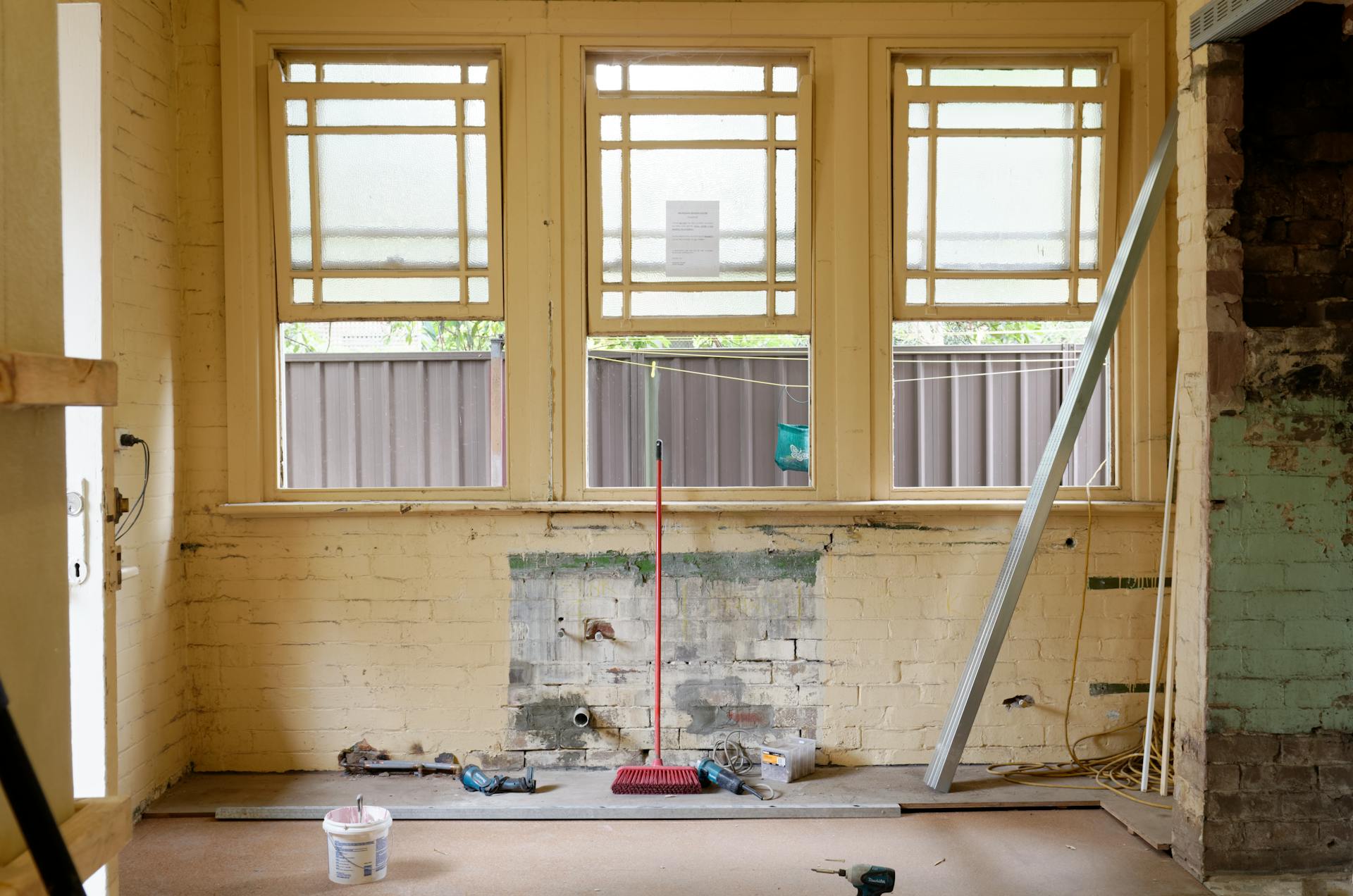

Question: What Is the Difference Between Renovation and Remodel?
Answer: Renovation is updating a space with cosmetic changes like new paint or fixtures. Remodelling alters a space’s layout or structure, like moving a wall. A reno refreshes, while a remodel reconfigures, often requiring permits for the more substantial work involved.
Renovation vs Remodel
Many homeowners use the terms “renovation” and “remodel” interchangeably. While both improve a home, they describe very different types of projects. Understanding what is the difference between renovation and remodel is essential for any homeowner. This knowledge impacts your budget, project timeline, and the legal permits you may need. Knowing the distinction also helps you make smarter decisions that increase your property’s value, whether you plan to live in it for years or sell it soon.
A clear understanding prepares you for the scope of work involved. It helps you hire the right professionals and set realistic expectations for cost and disruption to your daily life. This article will break down each term. We will explore their definitions, provide clear examples, and discuss their effects on your home’s market value. This information will empower you to plan your next home improvement project with confidence and clarity, ensuring a successful outcome that meets your goals.
Understanding Home Renovation
A renovation means to restore or repair a structure. The root word, “novate,” means to renew. When you renovate a space, you are essentially refreshing it. You update its appearance, fix what is broken, and bring it back to a good condition without changing its original purpose or layout. Renovations are typically cosmetic. They focus on surfaces and fixtures. The core structure of the room or home remains untouched.
Common renovation projects include painting interior or exterior walls a new colour. Refinishing or replacing flooring is another popular renovation. In the kitchen, you might repaint cabinets, replace the hardware, and install a new countertop on the existing layout. Updating light fixtures, replacing a bathroom vanity, or retiling a shower wall are also renovations. These projects make a space look and feel new. They improve the home’s aesthetic appeal and functionality in simple ways. Because they do not alter the home’s structure, renovations are usually less expensive and faster to complete than remodels.
Click here for more information on what brings down Orangeville property value
Related Article: How Do I Make a Renovation Checklist?
Related Article: Do I Need To Replace the Ceiling After a Leak?
Permits, Codes, and Legal Considerations
The need for a building permit is a major point of difference between a renovation and a remodel. In Ontario, the Building Code sets the standards for construction to ensure public safety. Simple renovations that are purely cosmetic generally do not require a permit. For example, you do not need permission from your local municipality to paint your walls, replace your carpet, or change a light fixture.
Remodels almost always require a building permit. Any work that alters your home’s structure, plumbing system, or electrical system needs official approval. This ensures the changes are safe and meet legal standards. Removing a load-bearing wall, adding a new window, or creating a new bathroom all demand a permit. A building inspector will review the plans and inspect the work at various stages. This process protects you and future owners of the property. Always check with your local municipal building department before starting any project, as requirements can vary.
-
Painting and Flooring:
You do not need a permit for these cosmetic updates. -
Moving a Wall:
You need a permit, especially if the wall is structural. -
Adding a New Bathroom:
This project requires plumbing and electrical work, so a permit is necessary. -
Building a Deck:
You often need a permit for a deck, depending on its size and height from the ground.
How Each Project Affects Property Value
Both renovations and remodels can increase your home’s value, but they do so in different ways and with different levels of return on investment (ROI). Renovations often provide a high ROI because they are less expensive. A fresh coat of neutral paint, modern hardware on cabinets, and updated light fixtures are low-cost changes. They make a home feel clean, modern, and move-in ready. These updates significantly boost a home’s curb appeal and can help it sell faster and for a better price.
Remodels offer the potential for a substantial increase in value, but they also carry more financial risk. A well-executed kitchen or bathroom remodel can add significant value, as these are key areas for buyers. Finishing a basement adds usable square footage, which is a major value-add. However, the high cost of a remodel means you may not recoup the full expense upon sale. The key is to make changes that appeal to a broad range of buyers. A real estate agent can provide insight into which large-scale projects offer the best ROI in your specific neighbourhood.
Renovate or Remodel: Which Is Right for You?
Choosing between a renovation and a remodel depends entirely on your goals, budget, and timeline. If you want to refresh your home’s appearance quickly and affordably, a renovation is the ideal choice. This path is perfect if your home’s current layout works well for you but just feels dated. Renovations are also a smart strategy if you plan to sell your home soon. They provide a high-impact update that appeals to buyers without a massive financial outlay.
A remodel is the better option when your home’s layout no longer meets your needs. If you need more space, better flow, or different functionality, changing the structure is necessary. This is a long-term investment in your quality of life at home. A remodel allows you to create a space that perfectly suits your family’s lifestyle. Before you decide, carefully assess your needs and financial situation.
-
Consider your budget:
Renovations cost less and have fewer surprise expenses.
-
Evaluate your timeline:
You can complete most renovations in days or weeks, while remodels can take months.
-
Assess your current layout:
If the floor plan is functional, a renovation will suffice. If it is a source of frustration, you should consider a remodel.
-
Think about your future plans:
Short-term plans to sell favour renovations. Long-term plans to stay favour remodels that improve your daily life.
Your Real Estate Agent’s Role in Home Improvements
Before you begin any home improvement project, consulting a real estate agent is a wise step. An experienced agent offers a unique perspective that goes beyond design or construction. They understand the local market intimately. They know which features buyers currently value most and which updates provide the best return on investment in your specific area. This market knowledge can save you from spending money on changes that will not increase your home’s eventual sale price.
An agent can help you identify the most impactful renovations to prepare your home for sale. They can also advise you on whether a major remodel is likely to price your home out of the neighbourhood’s range. They have a network of trusted local professionals, from contractors to designers, and can provide valuable recommendations. When it is time to sell, your agent will know how to effectively market your recent improvements. They can highlight a new kitchen or a renovated bathroom to attract buyers and justify your asking price, ensuring you get the maximum value from your investment.
Conclusion
The choice between a renovation and a remodel is significant. A renovation updates and refreshes your space, focusing on surfaces and fixtures. It is a cost-effective way to improve aesthetics and appeal. A remodel, on the other hand, transforms your space by altering its structure and layout. It is a more complex and expensive undertaking that changes how you live in your home. Understanding this core difference is the first step in successful home improvement.
Your decision should align with your budget, your long-term goals, and the realities of your local real estate market. Consider the potential return on investment, the required permits, and the disruption to your life. Planning carefully ensures your project adds value and enhances your enjoyment of your home. Before you commit to a project, speak with professionals. A contractor can advise on feasibility and cost, and a real estate agent can provide crucial market insights to guide your investment.