
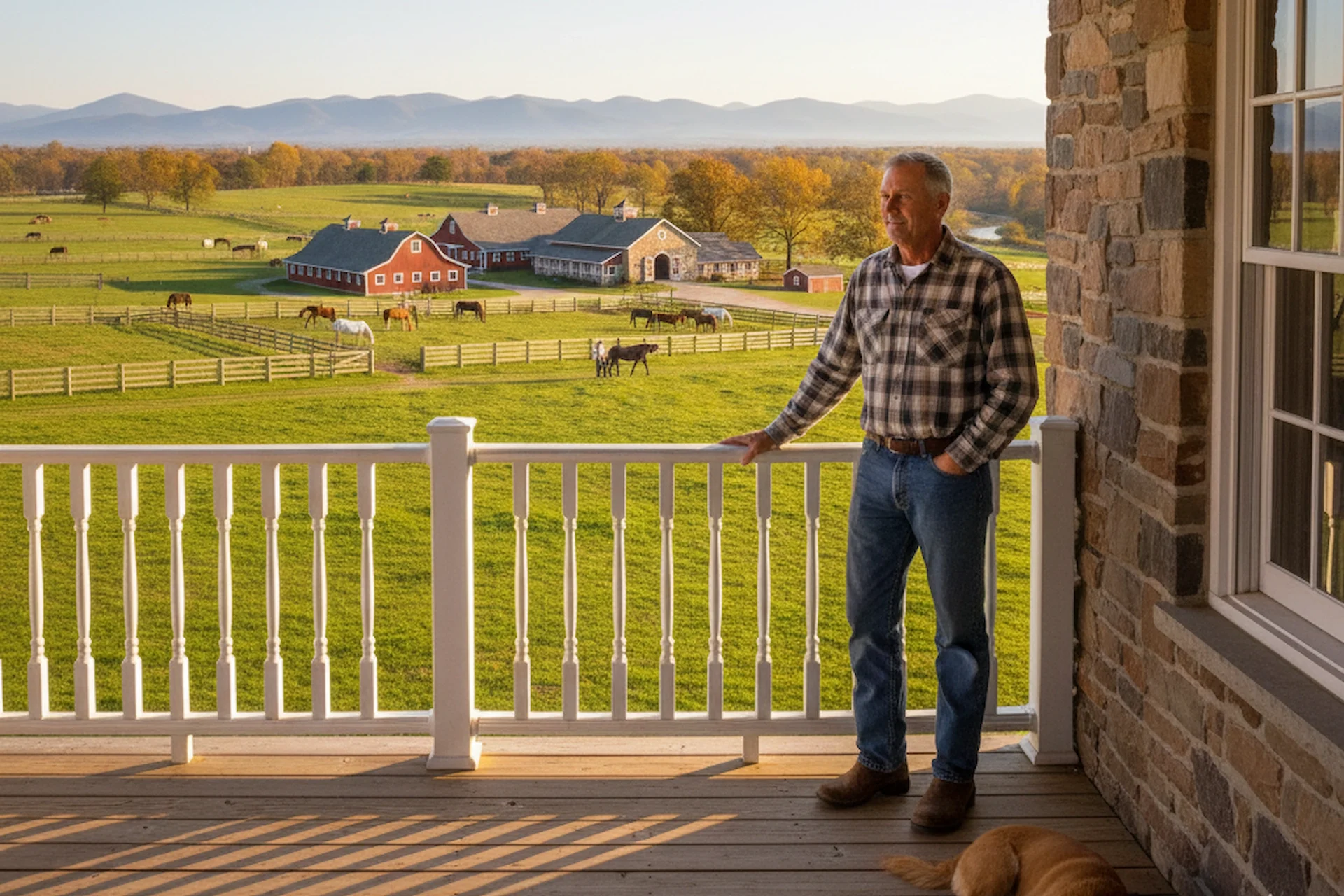

Question: What Is an Equestrian Tie Property?
Answer: An Equestrian Tie Property has a legal restriction, often a zoning by-law, that ties the occupancy of its residence to the operation of an equestrian facility on the land. The occupant must be directly involved with the horse-related business located on the same property.
Understanding the Equestrian Tie Property
Many people dream of a home in the country with space for horses. They imagine serene pastures, a cozy barn, and the freedom of rural life. As you search for this dream, you might see listings for an “equestrian tie property”. This term can be confusing. Understanding what an equestrian tie property is is the first step toward finding the right country home. These properties are a specific type of real estate created through a unique land-severance process. They offer a fantastic opportunity for horse lovers but come with important rules and restrictions.
An equestrian tie property is a smaller parcel of land that was once part of a larger farm. Municipalities allow a farmer to sever a lot for a specific purpose, like an equestrian facility, while protecting the remaining farmland from general residential development. The new, smaller property is legally “tied” to the original farm. This guide explains this property type in detail. We will cover the specific features, the benefits, and the potential challenges. Knowing this information helps you make a confident and informed purchase decision for your future equestrian home.
The Core Definition of an Equestrian Tie
An equestrian tie designation is a land-use planning tool. Municipalities in Ontario use it to control rural development. Its primary goal is to preserve agricultural land. When a farmer wants to sell a small piece of their farm, the municipality may approve the severance with conditions. The condition often ties the new lot’s use to a specific activity. For an equestrian tie property, that use is strictly for horse-related activities. This prevents the new lot from becoming just another country residence, which could lead to the slow fragmentation of valuable farmland.
The “tie” itself is a legal connection between the severed parcel and the larger, retained farm property. This connection is registered on the title of the land. It often means the smaller equestrian lot cannot be sold separately from the main farm in the future without the municipality’s permission. The rules for these properties are found in local Official Plans and Zoning By-laws. Each municipality has its own specific regulations, so the exact restrictions can vary from one area to another. This zoning creates a unique opportunity for buyers but requires careful investigation to understand all the limitations.
Click here for more information on equestrian realtors nearby
Related Article: What Is the Minimum Acreage to Own a Horse?
Related Article: How to Buy an Equestrian Property?
The Advantages of Owning an Equestrian Tied Lot
While the restrictions may seem limiting, equestrian tie properties offer significant advantages. For the right buyer, these properties represent a perfect blend of affordability and lifestyle. They make the dream of owning a horse property more accessible. The zoning filters out buyers who only want a rural residence, which can reduce competition and affect the property’s price. This creates a unique market niche for dedicated horse enthusiasts who are prepared to abide by the use restrictions.
One of the biggest benefits is value. These properties often sell for less than comparable un-restricted rural lots. The use limitations reduce the development potential, which lowers the land’s market value. This price difference can put a well-equipped horse farm within financial reach. Many of these properties already have the necessary infrastructure. They frequently come with a suitable house, a functional barn, fenced paddocks, and sometimes even a riding arena. This saves a new owner hundreds of thousands of dollars in startup costs. Finally, this zoning fosters a community of like-minded individuals. Your neighbours are more likely to be farmers or fellow horse owners, creating a supportive and understanding local environment.
Potential Challenges and Necessary Due Diligence
Every opportunity comes with challenges. Equestrian tie properties are no exception. Buyers need to be aware of potential hurdles to avoid future problems. The same restrictions that make these properties affordable can also create complications. A thorough investigation before you buy is essential. This due diligence protects your investment and ensures the property truly meets your needs for years to come. Ignoring these steps can lead to significant financial and legal issues later on.
The first major challenge can be financing. Some banks and lenders are cautious about properties with restrictive covenants on the title. They may see the limited resale market as an increased risk. It is vital to speak with a mortgage broker or lender who has experience with rural and zoned properties early in your search. The second challenge is resale. When you decide to sell, your market is limited to other horse people. The property will not appeal to someone looking for a simple country home. Below are the key steps for your due diligence:
-
Review the Zoning By-law
Your real estate agent or lawyer should get a copy of the specific municipal by-law that applies to the property. Read the exact wording of the restrictions to understand your obligations.
-
Consult the Municipality
Speak directly with the local planning department. They can provide the history of the property’s severance and clarify any confusing terms in the by-law. Ask if there have been any past issues or applications related to the property.
-
Work with a Specialized Lawyer
Hire a real estate lawyer with proven experience in rural and agricultural transactions. They will know what to look for in the property’s title and can explain the legal implications of the equestrian tie.
Finding and Buying Your Ideal Equestrian Property
The search for an equestrian tie property requires a focused approach. These are not typical residential homes, so the buying process has extra steps. The key to a successful purchase is working with professionals who understand the unique aspects of this property type. Their expertise helps you identify suitable listings, evaluate the restrictions, and structure a proper offer. This ensures you find a property that aligns with both your equestrian goals and your financial situation, setting you up for a happy life in the country.
A knowledgeable real estate agent is your most important partner. Find an agent who specializes in rural and equestrian properties. They will know how to find these listings and what questions to ask. They can also help you spot red flags in a property’s history or zoning. When you review listings, look for keywords like “equestrian tie,” “restricted use,” or “farm severance.” Sometimes this information is in the main description, but it might be hidden in the broker’s notes. When you make an offer, it should always include conditions. These conditions give you time to conduct your due diligence. Key conditions include a satisfactory review of the zoning by-laws by you and your lawyer, and securing financing from a lender who understands the property type.
Conclusion
An equestrian tie property offers a unique pathway to owning a horse farm. It is a specialized type of real estate created to protect agricultural land while allowing for specific, non-residential rural uses. These properties provide an affordable option for passionate equestrians, often complete with the barns, fences, and arenas needed to start living your dream immediately. The zoning ensures you are part of a rural community that values its agricultural character. For the right person, the combination of lifestyle and value is unmatched by any other type of property on the market.
However, the benefits come with serious responsibilities and restrictions. The limitations on use, development, and future sales are legally binding. These challenges require careful consideration and extensive due diligence. You must be committed to an equestrian lifestyle, as the property cannot be easily converted to another use. Before you move forward, consult with experts. A real estate agent, lawyer, and mortgage broker who specialize in rural properties will provide the guidance you need. With the right team and a clear understanding of the rules, an equestrian tie property can be the perfect place to call home.