
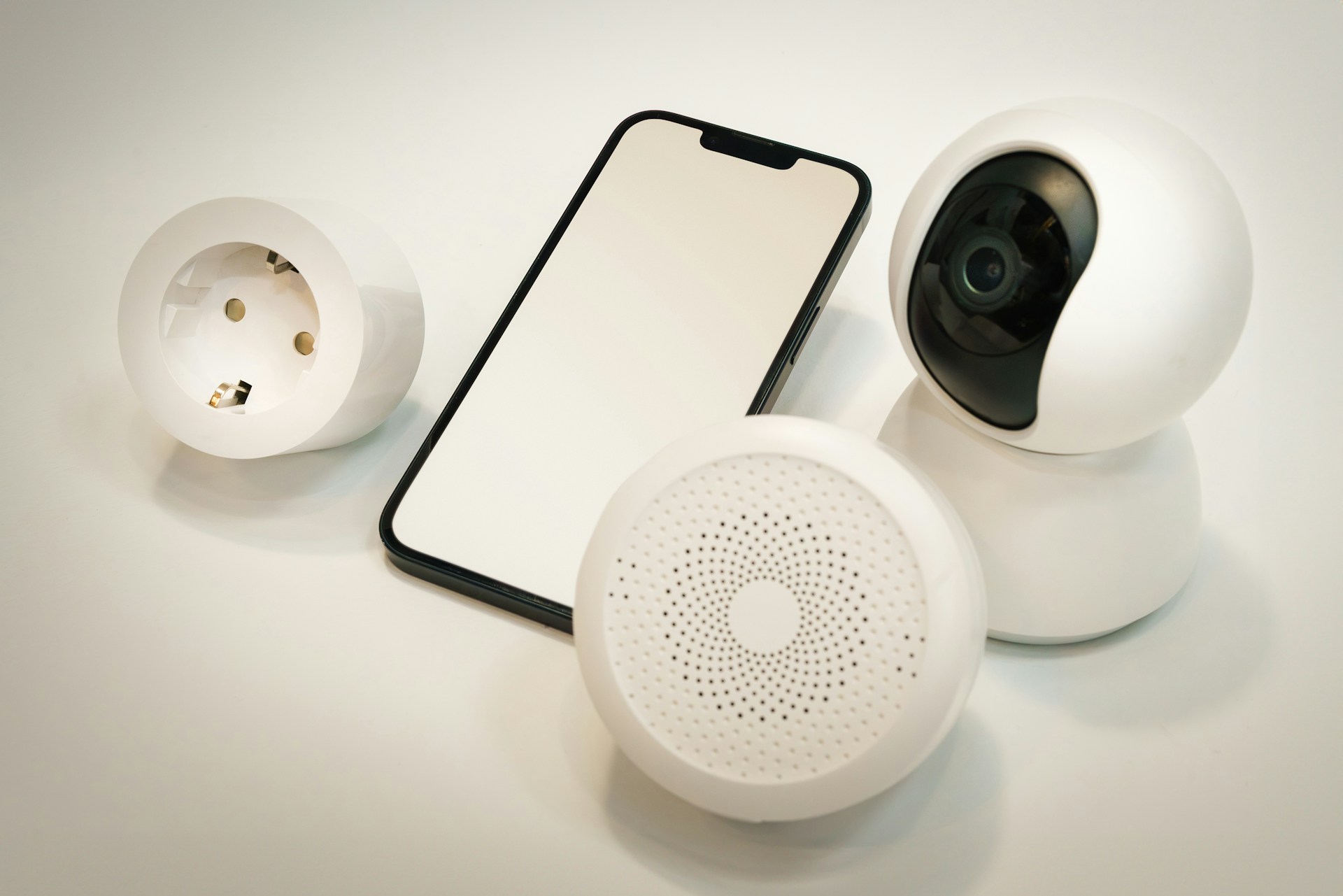

Question: What Equipment Is Needed for a Smart Home?
Answer: Basic equipment for a smart home includes a strong Wi-Fi network, a central hub (like a smart speaker), and your chosen devices. Popular starting points include smart thermostats, lighting, and security cameras, all controlled conveniently from your smartphone for enhanced comfort and security.
Equipment for Your Modern Smart Home
Many homeowners today explore smart technology to improve their daily lives. You might wonder what equipment is needed for a smart home. The answer depends on your goals, but the process is straightforward. You can start with a single device or build a complete, interconnected system. Smart homes offer convenience, security, and energy efficiency. They allow you to control lights, thermostats, and security cameras from your phone.
Building your smart home does not require expert knowledge. Many products are designed for easy installation and use. You can add new devices over time as your needs and budget allow. This flexibility makes smart home technology accessible to everyone. Whether you want to automate your morning routine or monitor your property while away, the right equipment can make it happen. This article outlines the core components you need to begin.
The Central Hub: Your Smart Home’s Brain
Every smart home needs a central controller. This device, often called a hub or bridge, acts as the command centre. It connects all your smart devices and allows them to communicate with each other. Without a hub, your smart light bulb cannot “talk” to your smart lock. The hub translates different communication protocols, like Zigbee and Z-Wave, into a language your Wi-Fi router understands. This creates a unified and responsive network throughout your home.
Many people start with a voice assistant like Amazon Alexa or Google Assistant. Devices like the Amazon Echo or Google Nest Hub have built-in smart hubs. They offer voice control, which adds a layer of convenience. You can simply ask your assistant to turn off the lights or adjust the temperature. Choosing your hub is the first critical step. Consider which ecosystem of products you prefer, as this will influence your future device purchases. A good hub provides a stable foundation for your growing smart home system.
Click here for more information on Orangeville realtors
Related Article: What Problems Do Smart Homes Solve?
Related Article: Are Smart Homes a Security Risk?
Advanced Security and Monitoring Systems
Smart security equipment provides peace of mind. These devices allow you to monitor your home from anywhere using your smartphone. The technology has become both affordable and user-friendly. A complete system often includes a few key components that work together. You can start with one device and add more later. These systems give you a clear view of your property and alert you to any unusual activity. This proactive approach to security is a major advantage of a connected home.
Essential security devices include a variety of cameras and sensors. Many homeowners begin with a smart doorbell that shows them who is at the front door.
-
Smart Doorbells
These devices have a built-in camera and two-way audio. You receive a notification on your phone when someone rings the bell or when motion is detected. You can see and speak to visitors even when you are not home.
-
Indoor and Outdoor Cameras
Place these cameras in key areas to monitor your home’s interior and exterior. Look for features like night vision, motion alerts, and cloud storage for video recordings.
-
Smart Locks
Replace your traditional deadbolt with a smart lock. You can lock and unlock your door remotely, grant temporary access to guests, and check if the door is secure from your phone.
-
Sensors
Contact sensors for doors and windows alert you when they are opened. Motion sensors can trigger lights or alarms when they detect movement in a specific area.
Intelligent Climate and Energy Management
A smart thermostat is a powerful tool for managing your home’s comfort and energy use. It learns your daily routines and preferences over time. Based on this information, it automatically adjusts the heating and cooling to keep you comfortable while saving energy. For example, it can lower the temperature when you are away from home and start warming it up just before you return. Many models also provide detailed energy reports, showing you exactly how much you are saving each month. This is a smart investment that often pays for itself.
You can expand your climate control system with other devices. Smart vents can replace your standard floor or wall vents. They allow you to control the airflow to individual rooms. If you have a room that is always too hot or too cold, a smart vent can solve the problem. Smart blinds or curtains can also help manage your home’s temperature. You can program them to close during the hottest part of the day to block out the sun. This reduces the load on your air conditioning system and keeps your home more comfortable.
Convenience with Smart Kitchen Appliances
The kitchen is often called the heart of the home, and smart technology is making it smarter. Smart kitchen appliances streamline daily chores and help you become a better cook. These devices connect to your home network, allowing you to control them from your phone or with voice commands. Imagine preheating your oven on your way home from work or checking the contents of your fridge while at the grocery store. This level of convenience saves you time and reduces stress in your daily life.
Popular smart kitchen devices range from large appliances to small gadgets. A smart refrigerator can track your food inventory, suggest recipes based on what you have, and even create a shopping list. Smart ovens and cooktops offer precise temperature control and can be monitored remotely. Small appliances like coffee makers can be programmed to have your favourite brew ready when you wake up. Smart microwaves can scan barcodes on packaged foods to set the correct cooking time and power level automatically. These tools make your kitchen more efficient and enjoyable to use.
Creating Immersive Entertainment Experiences
Smart home equipment can transform your living room into an entertainment centre. It connects your audio and visual devices for a seamless experience. You can control your television, sound system, and streaming devices with a single remote or your voice. This eliminates the clutter of multiple remotes and simplifies your entertainment setup. You can easily create different “scenes” for various activities. For example, a “movie night” command could dim the lights, lower the smart blinds, and turn on your TV and surround sound system simultaneously.
A key component of a smart entertainment system is a high-quality smart TV. These televisions connect directly to the internet, giving you access to popular streaming services without needing a separate device. For audio, a smart soundbar or a full surround sound system can provide immersive sound. Multi-room audio systems, like those from Sonos, let you play music throughout your entire home. You can play the same song in every room or choose different music for different zones, all controlled from a single app. This creates a rich and connected audio-visual environment for your family and guests.
Building Your Smart Home System
Starting your smart home journey is an exciting process. You now understand the fundamental equipment needed to create a connected living space. The key is to start with a solid foundation, like a reliable smart hub or voice assistant. This central device will unite all your other gadgets. From there, you can expand your system at your own pace. You might begin with smart lighting in one room or a video doorbell for enhanced security. Each new device adds another layer of convenience and control.
As you add more equipment, think about how the devices can work together to automate routines. For example, your smart lock could signal your hub that you have arrived home, which in turn could switch on the lights and adjust the thermostat. These small automations simplify your life. Building a smart home is not about buying every gadget available. It is about choosing the right equipment that solves real problems and improves your comfort, security, and enjoyment of your home. You can create a home that truly responds to your needs.