

Question: What Are the Signs of Neighborhood Gentrification?
Answer: The signs of neighbourhood gentrification include rapidly rising property values and rents, an increase in home renovations, and new condo developments. You will also notice a shift in local businesses, with trendy cafes and boutiques replacing long-standing shops, reflecting a change in the area’s demographics.
Identifying the Early Signs of a Changing Neighbourhood
Neighbourhoods are dynamic and constantly transform over time. This evolution can be slow and gradual or happen quickly, changing the face and feel of a community. One of the most significant transformations a neighbourhood can undergo is gentrification. Many homebuyers and investors want to understand the signs of neighborhood gentrification to make informed decisions. Recognizing these indicators helps you understand a community’s trajectory, which impacts property values, local culture, and your potential investment. Seeing these changes early can mean the difference between a savvy purchase and a missed opportunity.
This process involves an influx of wealthier individuals into an existing, often lower-income, urban area. This shift brings renewal and new investment but can also lead to the displacement of long-term residents. For anyone involved in real estate, from first-time buyers to seasoned sellers, identifying these signs is a critical skill. It allows you to assess the long-term potential of a property and understand the social and economic forces at play. Observing these trends provides a clearer picture of an area’s future, helping you align your real estate goals with the community’s path.
Changing Property Values and Market Activity
One of the most concrete signs of gentrification is a noticeable shift in the real estate market. Property values begin to climb faster than the city average. This increase is often driven by a new wave of buyers who see potential in an undervalued area. You might see a surge in homes being sold “as-is” to developers or flippers. These individuals purchase older properties, perform rapid renovations, and resell them at a much higher price point. This activity quickly raises the baseline price for all homes in the area.
Another key indicator is a change in the housing stock itself. Large, older homes once divided into multiple rental units may be converted back into single-family dwellings. Conversely, small bungalows might be torn down to make way for larger, modern homes or multi-unit condominium projects. Pay attention to the length of time homes stay on the market. In a gentrifying area, properties often sell very quickly, sometimes with multiple offers above the asking price. This high demand and low inventory create a competitive environment that signals a major market shift.
Click here to get your property value estimate
Please visit this page to learn more about the effects of gentrification
Related Article: Does Gentrification Help or Harm Neighbourhoods?
Related Article: What Are Three Negative Effects of Gentrification?
Visible Changes in the Local Population
A neighbourhood’s population is a living indicator of change. Gentrification brings a clear demographic shift. Typically, you will see an influx of younger, affluent professionals, often single or couples without children. They are drawn by the area’s character, affordability relative to more established neighbourhoods, and proximity to the urban core. You can observe this change in local parks, on sidewalks, and in new community gathering spots. The presence of more young professionals can alter the neighbourhood’s energy and social dynamics.
This influx often coincides with the departure of long-term residents. Rising rents and property taxes can make it difficult for lower-income families, seniors on fixed incomes, and artists to remain in the community they have long called home. This displacement is a complex and often challenging aspect of the gentrification process. The social fabric of the neighbourhood changes as a result. Community events may shift, and the overall feel of the area can transform from a multi-generational, diverse community to a more homogenous one.
Physical Upgrades and Renovations
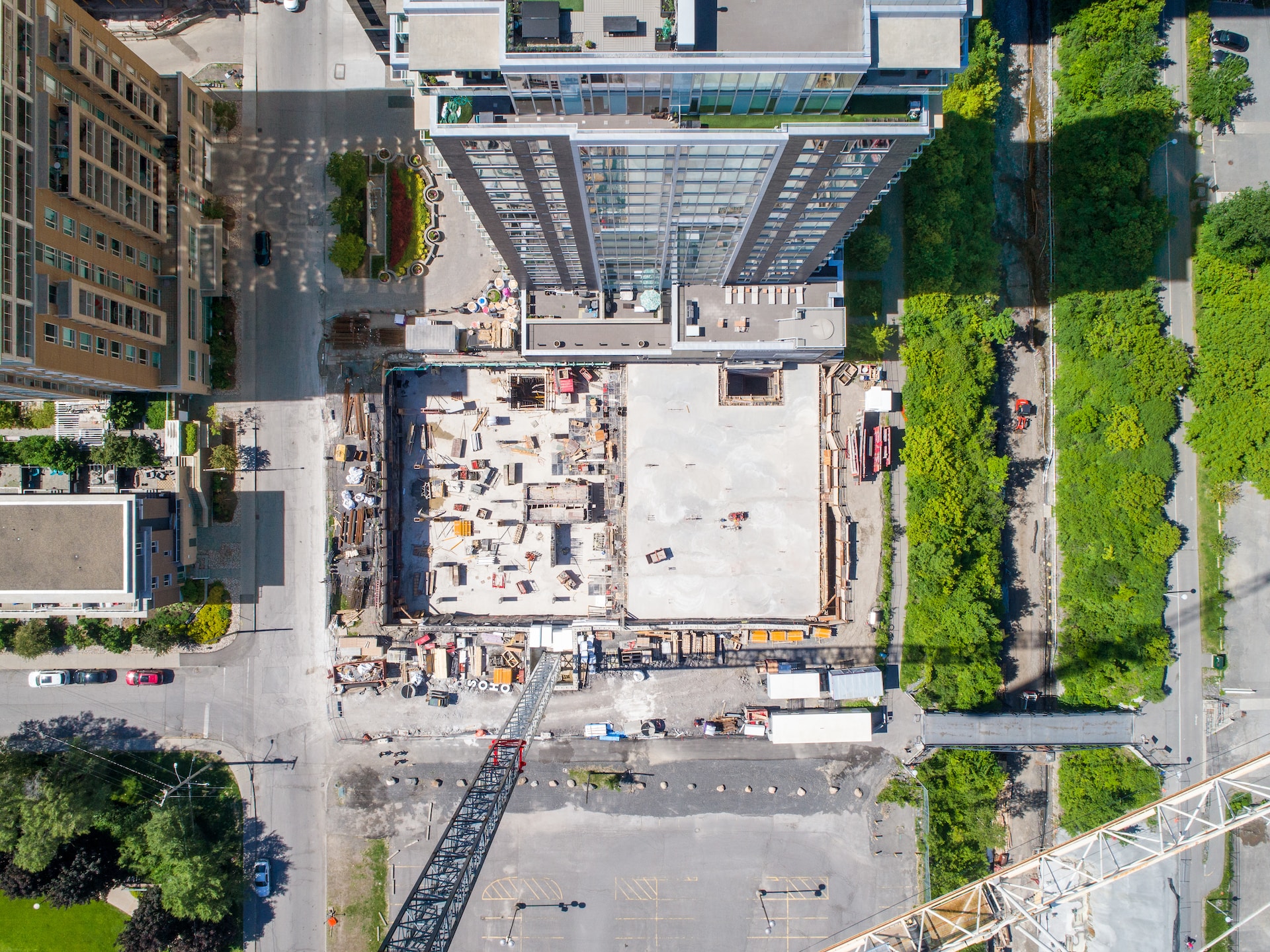
The physical appearance of a neighbourhood provides some of the most visible signs of gentrification. A walk or drive through the streets will reveal a flurry of construction and renovation activity. You will see scaffolding on older buildings, dumpsters in driveways, and contractors working on home exteriors. These renovations are often comprehensive, involving new windows, modern siding or brickwork, professional landscaping, and home additions. The distinct architectural character of older homes is sometimes preserved but updated with a modern aesthetic.
Beyond private homes, you will also notice public and private investment in the area’s infrastructure. The city might repave roads, add bike lanes, or upgrade public parks with new playgrounds and amenities. Developers may start building new infill housing or low-rise condo buildings on vacant lots. These improvements make the neighbourhood more functional and attractive, signaling that both private and public sectors see its potential. This investment in the physical environment reinforces the area’s upward trajectory and attracts even more new residents and capital.
Evolving Community and Cultural Scene
The culture of a neighbourhood is its unique signature, and gentrification often rewrites it. You can spot this evolution in the community’s events and public expression. New events like farmers’ markets, art walks, and food truck festivals begin to appear, reflecting the tastes of the new demographic. Local media and blogs also play a role. The neighbourhood may start showing up on “best places to live” or “up-and-coming area” lists, drawing external attention and validating its new status. This positive press can create a self-fulfilling prophecy, attracting more investment and interest.
Sometimes, a neighbourhood is even rebranded with a new name or moniker to create a fresh, marketable identity. The focus of community art may shift, with colourful murals or public sculptures being commissioned. These changes signal a departure from the area’s previous identity. While these new cultural elements can bring vibrancy and excitement, they can also overshadow the existing culture and history that made the neighbourhood unique in the first place, leading to a sense of loss for long-time residents who feel their community’s story is being erased.
What This Means for Your Real Estate Goals
Understanding the signs of gentrification is essential for anyone with real estate ambitions. For homebuyers, purchasing in an early-stage gentrifying neighbourhood can be a great investment. You can build equity as property values rise and enjoy new amenities as they arrive. However, you also face the risk of a rapidly increasing cost of living and a competitive market. It is important to assess if the changing character of the community aligns with your desired lifestyle for the long term.
For sellers, a gentrifying market presents a prime opportunity to achieve a high sale price for your property. The challenge, however, is finding your next home in an equally desirable and affordable location. Investors often see these areas as ripe for profit, whether through rental properties or flipping. The key is to analyze the stage of gentrification carefully. Entering a market too late can limit returns. Working with a real estate professional who has a deep understanding of local trends is important for making a strategic decision that fits your personal and financial objectives.
Conclusion
Recognizing the signs of neighbourhood gentrification gives you a powerful advantage in the real estate market. These indicators—from shifting property values and new businesses to demographic changes and physical upgrades—paint a detailed picture of a community’s evolution. This process is multifaceted, bringing both opportunity and significant challenges. New investment can revitalize an area with improved infrastructure and amenities, but it can also increase the cost of living and displace residents who have built their lives there over generations.
As a potential buyer, seller, or investor, this knowledge empowers you to look beyond a property’s four walls. It allows you to see the bigger picture of the community and its future. By staying observant and informed, you can make strategic choices that align with the market’s trajectory and your own goals. Whether you are looking for a home that will grow in value or a community that fits your lifestyle, understanding these signs is the first step toward making a confident and successful real estate move.