

Question: What Are the Must-have Amenities for the Equestrian Homeowner?
Answer: Must-have amenities for the equestrian homeowner include a well-equipped barn with water and power, securely fenced paddocks, and dedicated storage for hay and tack. A riding arena, preferably indoor for the Canadian climate, sufficient acreage with proper zoning, and good trailer access are also vital for both horse and owner.
Features for Your Ideal Equestrian Property
Finding the right home is a significant life event. For horse lovers, this search involves more than just a house. You are looking for a property that supports a specific lifestyle for you and your equine partners. A true equestrian property combines a comfortable human residence with safe, functional, and well-designed facilities for horses. Understanding the must-have amenities for the equestrian homeowner is the first step in a successful property search. This knowledge helps you evaluate listings and identify a place where both you and your horses can thrive.
The ideal property meets the daily needs of horse care and provides the right environment for training and recreation. It considers everything from the layout of the barn to the quality of the pasture. Safety, convenience, and horse welfare are the primary concerns. A property that already has these key features in place saves you time, money, and significant effort after you move in. A thoughtful evaluation ensures your new home will be a sanctuary for years to come.
The Heart of the Property: Barn and Stall Features
The barn is the central hub of any horse property. Its design and condition directly impact your daily routine and your horse’s well-being. Look for a structure with excellent ventilation to ensure good air quality, which prevents respiratory issues. Ample natural light, supplemented by safe, well-placed electrical lighting, creates a pleasant and secure environment. Wide centre aisles are essential for safely moving horses and equipment. The barn’s layout should be logical, with easy access to all necessary areas.
Inside the barn, the stalls require close inspection. A standard stall size is 12 feet by 12 feet, giving most horses enough room to turn around and lie down comfortably. Stall floors should promote drainage and provide comfort. Rubber mats over a level base of compacted stone dust are a popular and effective choice. All stall components, including doors and water buckets, should be free of sharp edges or gaps where a horse could get trapped. A dedicated, organized tack room, a secure feed room, and a functional wash stall with hot and cold water complete a well-equipped barn.
Click this link to read more about equestrian realtors
Related Article: What Are the Tax Benefits for Ontario Equestrian Property Owners?
Related Article: Why Are Water Source and Drainage Critical on Equestrian Properties?
Secure Fencing and Healthy Pastures
Safe and secure containment is a top priority on any horse farm. The quality and type of fencing are critical for preventing injuries and escapes. Visible, sturdy fencing such as four-board wood or high-quality vinyl is a popular choice for safety and aesthetics. Woven wire mesh designed for horses is another safe option. Avoid barbed wire at all costs, as it can cause severe injuries. Fencing should be in good repair, with no loose boards, sagging wires, or protruding nails. Gates should be easy to operate and secure properly.
Beyond containment, the pastures themselves are a vital resource. Healthy, well-managed pastures provide nutrition and a natural environment for your horses. A good property will have multiple paddocks to allow for rotational grazing. This practice prevents overgrazing and helps maintain healthy grass. The land should be free of toxic plants and have good natural drainage. Run-in sheds or shelters in each field are essential, offering horses protection from harsh sun, wind, and precipitation. These simple structures greatly improve horse comfort and welfare throughout the year.
Crucial Infrastructure for Smooth Operations
The efficiency of your farm depends on its underlying infrastructure. A reliable water supply is fundamental. Look for properties with automatic waterers in stalls and fields. These save an incredible amount of labour compared to filling buckets multiple times a day. Frost-free hydrants located strategically around the barn and property are essential for providing water during cold winter months. Easy access to water is necessary for drinking, bathing horses, and cleaning equipment. Proper electrical systems that are up to code and designed for agricultural use are also vital for safety.
Storage is another key element. A separate building or a well-ventilated loft for hay storage is ideal, as it reduces fire risk in the main barn. You will also need a dry, secure space for storing bedding like shavings or straw. A dedicated area or shed for farm equipment, such as tractors and manure spreaders, keeps expensive machinery protected from the elements. Finally, consider access. The property’s main driveway should accommodate large vehicles like hay delivery trucks and horse trailers. A well-planned property makes daily chores and long-term management much simpler.
Amenities That Enhance the Equestrian Lifestyle
Certain features can elevate a good equestrian property to a great one. These amenities add convenience, value, and enjoyment to your daily life. They show that a property was designed with a deep understanding of the horse owner’s needs. While not strictly essential for everyone, these elements are highly desirable and can make a property stand out. They contribute to a more efficient and pleasant environment for both horse and rider.
Grooming and Veterinary Areas
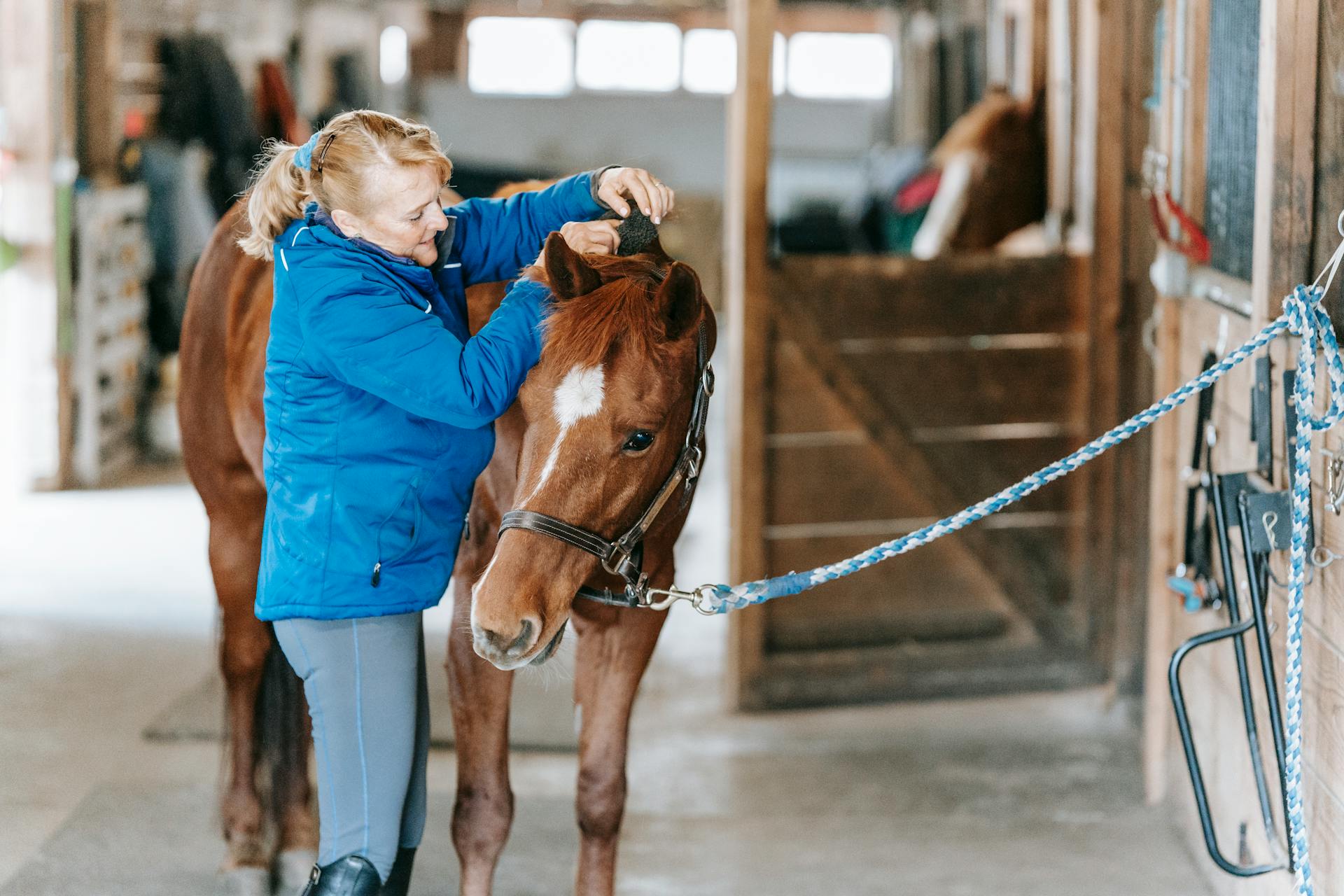
A dedicated, well-lit bay with cross-ties provides a safe space for grooming, tacking up, and administering care. Having a level, non-slip surface is important for farrier and veterinary visits. This space keeps the main aisle clear and creates a controlled environment for important procedures.
Direct Trail Access
For many riders, the ability to ride off the property without trailering is a dream come true. Properties that border or have direct access to public riding trails, conservation areas, or quiet country roads offer endless recreational opportunities.
Manure Management System
A well-designed system for manure disposal is a practical necessity. This could be a concrete pad for composting or a designated area for easy pickup by a disposal service. Proper management is important for controlling flies, managing odours, and complying with local environmental regulations.
Finding the Perfect Equestrian Home
Choosing an equestrian property is a unique journey. It requires a careful balance between your needs for a home and your horse’s requirements for a safe and functional environment. The ideal home has a solid barn, a well-maintained arena, safe fencing, and reliable infrastructure. These core amenities form the foundation of a successful horse farm. They ensure the health and safety of your animals while making your daily management tasks much easier and more enjoyable.
As you begin your search, create a list of your personal must-haves versus your nice-to-haves. Inspect every aspect of a potential property, from the stall floors to the water sources. A thorough evaluation will help you make an informed decision and invest in a property that will bring you joy for many years. Working with a real estate professional who understands the specific needs of horse owners can guide you through this process. They can help you identify properties that truly fit your lifestyle and your passion for horses.