
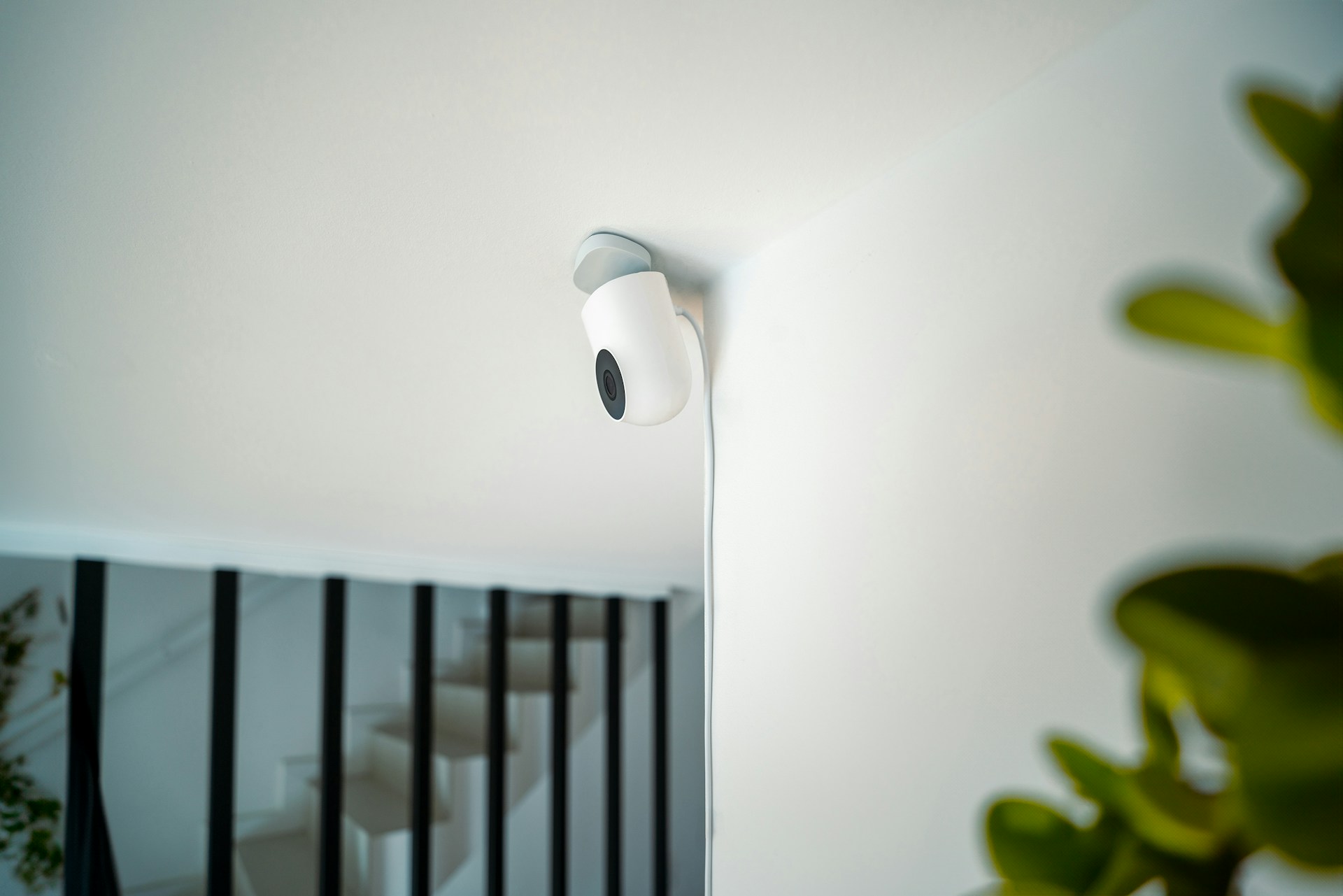

Question: What Are the Concerns of Smart Homes?
Answer: Concerns of smart homes primarily involve data privacy and security, as devices can be vulnerable to hacking. Other issues include high initial costs, reliance on a stable internet connection, and potential compatibility problems between different brands, which can affect a home’s functionality.
The Challenges of Smart Home Technology
Smart homes offer incredible convenience. You can adjust your thermostat from another city, see who is at your front door while you are at work, and turn on the lights with a simple voice command. This level of automation and control makes modern life easier and more efficient. Many homebuyers now look for these features when searching for a new property. The appeal is undeniable, as integrated technology promises a future of seamless living, energy savings, and enhanced security. People are drawn to the idea of a home that anticipates their needs.
However, this connected lifestyle introduces new questions and potential issues. Homeowners and buyers need a clear understanding of what are the concerns of smart homes before they fully invest in this technology. These considerations range from digital privacy and the security of your personal data to the practical realities of cost, device compatibility, and long-term reliability. Acknowledging these challenges allows you to make informed decisions. You can enjoy the benefits of a smart home while actively managing its potential downsides for a safer and more positive experience.
Protecting Your Personal Information
Every smart device in your home, from your voice assistant to your security camera, collects data. This data helps the device function, but it also creates a detailed record of your daily life and habits. Companies use this information to improve their services, but it also presents a significant privacy risk. If a company’s servers are breached, your personal information could be exposed to unauthorized individuals. This information could include video footage from inside your home, your daily routines, and even your conversations. This makes data security a primary concern for any smart home owner.
Protecting this data is critical. Weak security practices can allow hackers to access your network and control your devices. This could lead to anything from simple pranks, like changing your thermostat settings, to serious security breaches, like disabling your smart locks. Canadian privacy laws provide a framework for how companies must handle your data, but the first line of defence is you. Taking proactive steps to secure your smart home network and devices is essential for safeguarding your family’s privacy and ensuring your home remains a secure place.
-
Use Strong, Unique Passwords
Avoid using common words or personal information. Create complex passwords for your Wi-Fi network and for each smart device account. A password manager can help you create and store these securely.
-
Enable Two-Factor Authentication
Two-factor authentication adds an extra layer of security. It requires a second form of verification, like a code sent to your phone, before granting access to your account. Most major smart home platforms offer this feature.
-
Review Privacy Settings Regularly
Take the time to go through the privacy settings for each device and app. Limit data collection where possible and understand what information each device is gathering. Disable features you do not use to reduce your digital footprint.
Click here for more information on Orangeville agents
Related Article: What Are the Three Key Components of a Smart Home?
Related Article: How Do I Make My House a Smart House?
Making Different Technologies Work Together
One of the biggest frustrations in the smart home world is device compatibility. You might buy a smart lock from one company, smart lights from another, and a thermostat from a third. You soon discover they do not communicate with each other. This fragmentation forces you to use multiple different apps to control your home, which defeats the purpose of a seamless, automated experience. Major tech companies like Google, Amazon, and Apple have their own ecosystems. Devices designed for one system often do not work with another, creating “walled gardens” that lock you into a specific brand.
This lack of a universal standard makes it difficult for consumers to build a cohesive system. You must research every purchase carefully to ensure it works with your existing setup. The emergence of new standards like Matter aims to solve this problem by creating a common language for smart devices. However, its adoption is still growing. Until a single standard becomes widespread, users must navigate a complicated landscape. Choosing devices that work together from the start is key to avoiding a disjointed and frustrating smart home experience that feels more complicated than convenient.
-
Choose a Central Ecosystem
Decide whether you want to build your smart home around a platform like Google Home, Amazon Alexa, or Apple HomeKit. This helps ensure that new devices you purchase will integrate smoothly with your existing ones.
-
Look for Compatibility Labels
Many smart device packages feature logos like “Works with Alexa” or “Works with Hey Google.” These labels confirm that the product has been certified to work with that specific ecosystem, simplifying the selection process.
-
Research the Matter Standard
When buying new devices, check if they are compatible with Matter. This new connectivity standard promises to make devices from different brands work together seamlessly, future-proofing your smart home investment.
What Happens When the Wi-Fi Goes Down?
A smart home is only as smart as its internet connection. The vast majority of smart devices rely on a stable Wi-Fi signal to function. They connect to the cloud to receive commands from your smartphone and to run automations. When your internet service is interrupted, whether from a storm or a provider outage, your smart home can become surprisingly dumb. Lights may not turn on, your smart thermostat could stop adjusting the temperature, and you might lose access to your security cameras right when you need them most.
This heavy dependence on an external connection creates a significant point of failure. Even a brief power outage can knock your router offline, disrupting your entire system until it reboots and reconnects. Some devices have limited offline functionality, but many become completely unresponsive. For critical systems like security alarms or smart locks, this is a serious concern. A homeowner could potentially be locked out of their house if the internet is down and they do not have a physical key or another backup method. Therefore, planning for offline scenarios is an essential part of creating a reliable and secure smart home.
The Complexity of Smart Devices
While smart technology promises simplicity, the setup and management process can be surprisingly complex. Each new device you add to your home requires installation, connection to your Wi-Fi network, and configuration through an app. This can be a time-consuming process, especially for individuals who are not particularly tech-savvy. Creating automated routines, like having the lights turn on when you arrive home, often involves navigating confusing menus and settings. What is meant to be a convenience can quickly become a source of frustration if the user experience is not intuitive.
Troubleshooting is another challenge. When a device stops working, the cause is not always obvious. You may need to determine if the issue is with the device itself, your Wi-Fi network, the app, or the manufacturer’s cloud service. This can lead to hours spent searching online forums or waiting for customer support. For a household with members of varying technical abilities, a complex smart home can create difficulties. It is important to choose systems known for their user-friendly interfaces and reliable performance to ensure that everyone in the home can use and enjoy the technology without needing an instruction manual for every task.
Ensuring Your Smart Home Stands the Test of Time
The world of technology moves quickly, and smart home devices are no exception. A state-of-the-art gadget today could become obsolete in just a few years. This rapid pace of innovation creates a real concern about the longevity of your investment. Manufacturers may stop supporting older products, which means they no longer receive important software updates. These updates often include critical security patches, and without them, your devices could become vulnerable to hackers. In other cases, a company might shut down the cloud service a device relies on, rendering it completely useless.
This planned or unplanned obsolescence means you may have to replace expensive equipment more often than you would like. Before investing heavily in a particular brand or system, it is wise to research the company’s history. Look for businesses with a proven track record of supporting their products for many years. Choosing devices from established companies that are committed to long-term updates and security can help protect your investment. A smart home should add value and convenience for years, not become a collection of unsupported and insecure gadgets that need constant replacement.
Conclusion
A smart home can provide incredible benefits in convenience, efficiency, and security. The ability to control your home’s environment from anywhere is a powerful tool for modern living. However, it is important to approach this technology with a clear and realistic perspective. The concerns surrounding privacy, cost, compatibility, and reliability are valid and deserve careful thought. By understanding these potential issues, you can plan accordingly and make choices that mitigate the risks. A thoughtful approach ensures your home is not just connected, but also secure, functional, and user-friendly for everyone who lives there.
Before you purchase a home with existing smart technology or decide to install your own, take the time to evaluate your needs and priorities. Choose reputable brands known for their commitment to security and long-term support. Prioritize systems that are easy to use and that offer backup options in case of an internet outage. By being an informed consumer, you can build a smart home that truly enhances your life. You can harness the power of technology to create a living space that is comfortable, efficient, and, most importantly, a secure sanctuary for you and your family.