
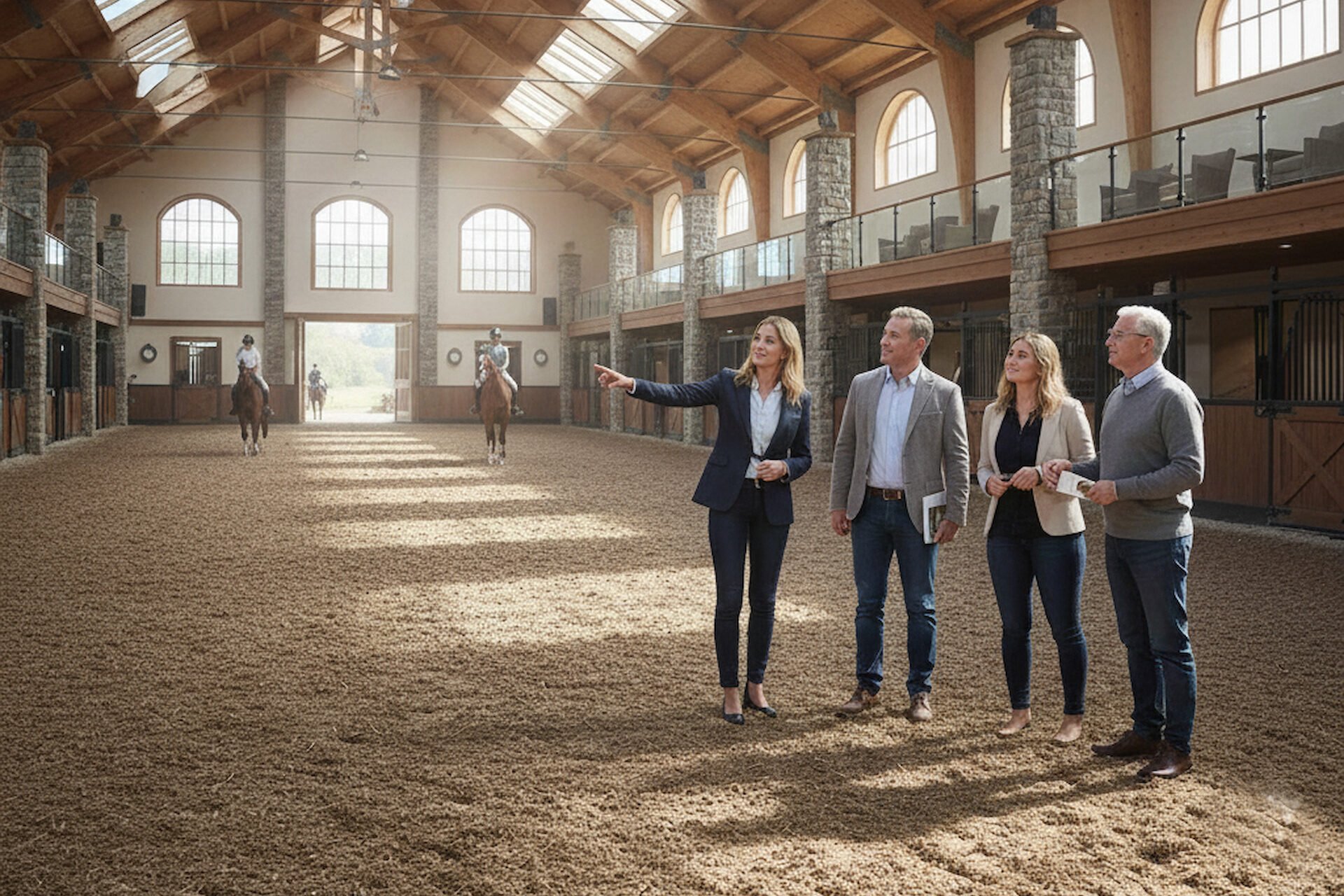

Question: What Are Some Common Mistakes to Avoid When Selling an Equestrian Property?
Answer: Common mistakes when selling an equestrian property include improper pricing, using an agent unfamiliar with horse farms, and poor property presentation. Neglecting maintenance on barns, fencing, and arenas deters serious buyers. Ensure your property is “show-ready” for this highly specialized market.
Avoiding Common Pitfalls When Selling Your Horse Farm
Selling an equestrian property is a unique challenge. It involves more than just a house and some land; you are selling a lifestyle and a functional business or hobby facility. Potential buyers are a niche group with very specific needs for their equine partners. Understanding some of the common mistakes to avoid when selling an equestrian property can make a significant difference in your final sale price and how quickly your property sells. Many sellers make errors that can delay the process or lower their returns.
These mistakes often stem from a misunderstanding of the buyer’s perspective or a failure to appreciate the property’s specialized features. From incorrect pricing to poor presentation, each misstep can deter the perfect buyer. This article explores these frequent errors. We provide clear insights to help you prepare your farm for the market. By addressing these issues proactively, you can present your property in the best possible light and attract serious, qualified buyers who recognize its true value.
Ignoring the Needs of the Equestrian Buyer
A primary mistake is failing to understand your target audience. People who buy horse properties are not typical homebuyers. They scrutinize the facilities for their horses with a critical eye. The house is often a secondary consideration to the quality of the barn, the safety of the fencing, and the condition of the riding arena. You must think like an equestrian to market your property effectively. This means highlighting the features that matter most to them.
Different equestrian disciplines have different needs. A dressage rider may look for an indoor arena with mirrors and excellent footing. A jumper will value a large outdoor ring with good drainage. A trail rider wants access to nearby trail systems. Consider what type of rider your property best suits and focus your marketing on that demographic. Detail the specifics of your infrastructure. Mention the footing composition, the dimensions of the arena, the number and size of stalls, and the layout of the paddocks. This information shows buyers you understand their world.
Click here for more information on expert divorce real estate brokers
Related Article: What Are the Key Steps in Negotiating the Equestrian Purchase Agreement?
Overlooking Essential Repairs and Staging
First impressions are critical. A buyer’s first view of your property sets the tone for the entire showing. A farm that appears neglected will immediately raise red flags. Buyers will wonder what other, less visible problems exist. Before listing, walk your property with a critical eye and address all necessary repairs. A well-maintained farm communicates care and quality, which helps buyers feel confident in their potential investment.
Your preparation should focus on the areas most important to horse owners. A tidy and functional property looks much more appealing. Below are key areas to inspect and improve:
Fencing and Gates
Walk all your fence lines. Replace any broken boards or posts and tighten any loose wires. Ensure every gate latches securely and swings open and closed with ease. Safe, secure fencing is a top priority for any horse owner.
Barn and Stalls
A deep clean of the barn is essential. Remove all cobwebs, clean the stall walls, and organize your tack and feed rooms. Good lighting and ventilation are important, so check that all lights work and windows open properly. A clean barn smells fresh and looks inviting.
Arena and Footing
If you have a riding arena, drag it to create a smooth, level surface. Proper footing is a huge selling point. Make sure to remove any weeds and ensure the base is in good condition. A well-maintained arena shows you value proper horse care and training.
Pastures and Paddocks
Good pasture management is attractive to buyers. Pick manure from paddocks, mow the fields, and remove any potentially toxic plants. Healthy, clean pastures show that the land can support horses and has been well managed.
Using Ineffective Marketing Strategies
Marketing an equestrian property requires a different strategy than selling a suburban home. Generic real estate websites may not reach your target audience. Buyers for horse farms often search on specialized platforms dedicated to rural and equestrian real estate. Your marketing efforts must be directed at these niche markets to be effective. Relying solely on local listings or a sign at the end of the laneway is not enough to attract the right kind of attention.
The visual presentation of your farm is also incredibly important. Standard real estate photos that focus on the interior of the house will not suffice. You need a photographer who understands how to capture the full scope of an equestrian property. This includes high-quality photos of the barn’s interior, the riding arena, the paddocks, and the overall layout of the land. Aerial photography and drone videos are powerful tools. They provide a comprehensive view of the property, showing how the buildings, fields, and laneways connect. This perspective helps buyers visualize how they and their horses would live and work on the farm.
Failing to Prepare Necessary Paperwork
Serious buyers will ask detailed questions, and they expect you to have the answers. A lack of preparedness can make you seem disorganized or, worse, like you are hiding something. Gathering all relevant documentation before you list the property streamlines the selling process. It builds trust with potential buyers and allows them to perform their due diligence with confidence. Having a complete file ready for review can prevent delays and help negotiations proceed smoothly.
Your document package should anticipate a buyer’s questions about the land, its systems, and its legal status. Key documents include:
Property Survey
A current survey clearly shows the property boundaries, the location of all buildings and fences, and any easements. This is fundamental information for any land purchase.
Well and Septic Records
Buyers need to know about the water source and septic system. Provide records of the well’s flow rate, water quality tests, and the septic system’s last inspection and pumping. This information is critical for rural properties.
Zoning and Land Use Information
Confirm the property’s zoning classification. Provide documentation that shows it permits equestrian activities and any associated structures. This assures buyers they can legally keep their horses on the property.
Utility and Maintenance Costs
Be prepared to share records of past utility bills for hydro and heat. Also, provide information on costs for property taxes and any regular maintenance, such as hay production or manure removal contracts.
Working With an Inexperienced Agent
Perhaps the most significant mistake a seller can make is choosing a real estate agent who lacks experience with equestrian properties. A residential agent may be excellent at selling homes in town, but they often do not understand the unique aspects of a horse farm. They may not know how to value an indoor arena, what buyers look for in barn construction, or the importance of good drainage. This lack of knowledge can lead to improper pricing, ineffective marketing, and a failure to connect with the right buyers.
A specialist equestrian agent brings invaluable expertise to the table. They understand the language and priorities of the horse world. They know how to highlight the features that a horse owner values most. Their professional network often includes a list of potential buyers actively looking for a property just like yours. This agent can properly qualify inquiries to ensure you are only dealing with serious, capable buyers. They can answer technical questions about the facilities with authority, creating a level of trust that helps close the sale.
Conclusion
Successfully selling your equestrian property requires careful planning and a specialized approach. Avoiding common mistakes is key to achieving a timely sale at the best possible price. By understanding your target buyer, pricing your farm accurately, and presenting it in pristine condition, you set the stage for success. Proper preparation shows potential buyers that your property is a valuable, well-cared-for facility ready for its next chapter.
Effective marketing that reaches the right audience and having all your documentation in order will further smooth the path to a sale. Finally, partnering with a real estate agent who specializes in equestrian properties is not a luxury; it is a necessity. Their expertise ensures that every unique feature of your farm is valued and showcased correctly. By making these informed choices, you can confidently sell your property and move on to your next adventure, knowing you have done everything right.