
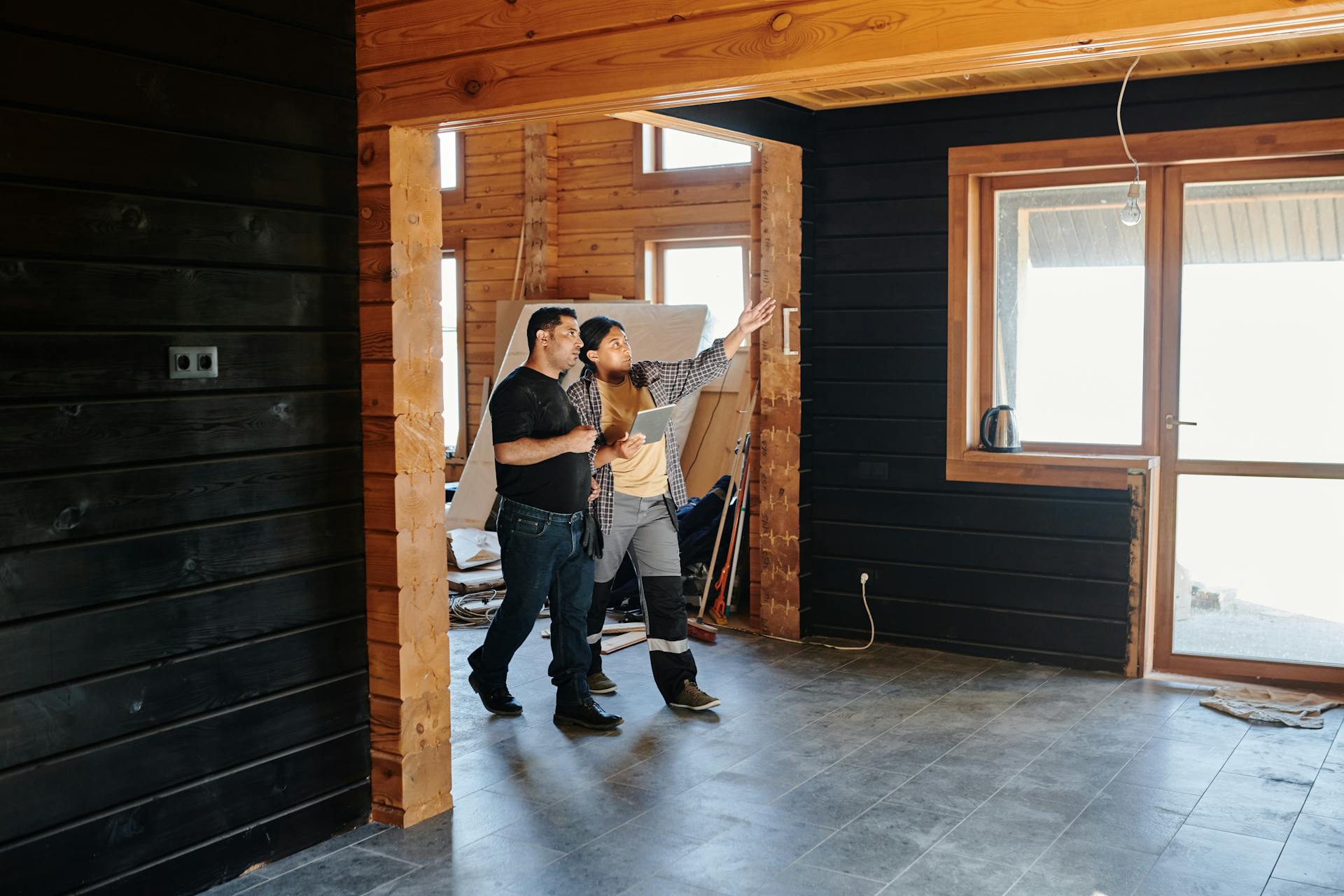

Question: Renovate or Move for Retirement?
Answer: Whether to renovate or move for retirement depends on your finances and future needs. Renovating for accessibility may qualify for tax credits, allowing you to age in place. Moving can reduce maintenance, but factor in costs like Land Transfer Tax and agent fees before making your final decision.
Deciding to Renovate Your Home or Move for Retirement
Retirement marks a significant life transition. It presents a wonderful opportunity to design a lifestyle that suits your new priorities. A central part of this planning involves your home. Many people face the important question of whether to renovate or move for retirement. Your current home holds years of memories, but it may not serve your future needs. This decision impacts your finances, your daily comfort, and your social life for years to come.
Choosing to stay means you can adapt your familiar space to your changing requirements. This path involves planning and managing a construction project. Choosing to move offers a fresh start in a home that may already have the features you need. This option involves the process of selling, buying, and relocating. Both choices have distinct advantages and challenges. This article explores the key factors to help you make an informed decision that aligns perfectly with your retirement vision.
Assessing Your Current Home for the Future
Before you consider moving, you should evaluate your current home. Think about how it functions for you now and how it will function in ten or twenty years. A multi-storey home with many stairs might become difficult to manage. A large yard that you currently enjoy might become a burden to maintain. Look at your home with a critical eye for future accessibility and upkeep. Consider the layout, the number of rooms, and the amount of outdoor space.
Many modifications can make a home more suitable for aging in place. These renovations improve safety, comfort, and independence. They allow you to remain in your familiar neighbourhood surrounded by friends and established connections. Planning these upgrades is key to a successful renovation project. You can transform your house into a long-term home that supports your retirement lifestyle. A thoughtful assessment is the first step in this process.
-
Accessibility Upgrades
Focus on removing physical barriers. You can install a walk-in shower with a bench and grab bars in the bathroom. Widening doorways accommodates walkers or wheelchairs. Adding a ramp to your front entrance eliminates steps. You might even consider installing a chair lift for staircases if your main living areas are on different floors.
-
Maintenance Reduction
Reduce future chores and expenses. You can replace old windows with new, energy-efficient models. Installing durable vinyl siding eliminates the need for regular painting. Upgrading to a modern, high-efficiency HVAC system lowers utility bills and reduces the chance of unexpected repairs. These changes save you time and money over the long term.
Click this link to read more about local retirement realtors
Related Article: Is Co-Housing a Viable Retirement Option?
Related Article: Leaving the Family Home for Retirement?
The Advantages of Moving to a New Home
Moving offers a complete change of scenery and lifestyle. It allows you to select a home that is perfectly suited to your retirement needs from day one. Downsizing is a popular choice. A smaller home, such as a bungalow or a condominium, means less cleaning, lower property taxes, and reduced utility bills. This frees up both your time and your money for travel, hobbies, and other enjoyable activities. Selling your larger family home can also unlock significant equity, which can bolster your retirement savings.
A move also presents an opportunity to relocate to a community that better fits your interests. You could move closer to your children and grandchildren. You might prefer a quieter town with a slower pace of life. Alternatively, a vibrant urban centre with walkability to shops, restaurants, and cultural events may appeal to you. A new home means you avoid the dust and disruption of a major renovation. You can settle in immediately and begin enjoying your new life without delay.
The Costs and Logistics of a Move
While moving has many benefits, it also comes with its own set of costs and tasks. The process of selling your current home and buying a new one involves several expenses. These costs can reduce the total amount of equity you access from your sale. It is important to account for these fees in your financial planning. Preparing your home for sale may also require some investment in minor repairs or staging to attract buyers and get the best possible price.
The logistics of moving require careful organization. Decluttering a lifetime of possessions is a large and often emotional task. Packing, hiring movers, and setting up services at a new address all take time and energy. Planning ahead can make the process smoother. Despite the work involved, a well-organized move can be an exciting step toward a more comfortable and manageable retirement lifestyle.
-
Selling and Buying Costs
When you sell, you will pay real estate commissions and legal fees. When you buy, you must budget for Land Transfer Tax, legal fees, and a home inspection. These combined costs can be substantial, so it is vital to calculate them accurately. -
Moving Expenses
The cost of hiring a professional moving company varies based on the distance and the amount of belongings you have. You will also need to pay for packing supplies and fees for connecting utilities like hydro and internet at your new residence.
Thinking About Your Future Lifestyle Needs
Your decision should extend beyond finances and physical home features. Think deeply about the kind of life you want to live in retirement. Your social life is a huge part of your well-being. Does your current neighbourhood have a strong sense of community? Are your friends and family nearby? If you move, research the social opportunities in the new area. Look for community centres, clubs, or volunteer groups that align with your interests. An active social life is essential for a happy retirement.
Consider your health and mobility needs over the next few decades. Proximity to good healthcare facilities, including hospitals and specialist clinics, is very important. Think about your daily errands. Can you easily walk to a grocery store, pharmacy, or local park? A location that supports an active and independent lifestyle will become more valuable as you age. Your home and its location should work together to support your health, happiness, and overall quality of life.
Making Your Final Decision
The choice to renovate or move is deeply personal. There is no universal right answer. To find your best path, you need to weigh the emotional, financial, and practical aspects of each option. Start by making a clear list of your priorities for retirement. Do you value the familiarity of your current home and neighbourhood above all else? Or does the appeal of a fresh start in a new, low-maintenance home excite you more? Answering these questions will provide clarity.
Create a detailed budget for both scenarios. Compare the estimated cost of your desired renovations against the total cost of selling your home and buying a new one. Think about the long-term financial implications. Will one option leave you with more money for travel and hobbies? Discuss your thoughts with your family or a trusted financial advisor. Their perspectives can be very helpful. Ultimately, the right choice is the one that best supports your vision for a fulfilling and comfortable retirement.
Your Next Chapter Starts with a Plan
Deciding between renovating and moving is one of the most important decisions you will make as you approach retirement. Each path offers unique benefits and challenges. Renovating allows you to stay in the home you love, customized for your future needs, but it requires managing a project and its associated costs. Moving provides a clean slate in a home built for convenience, but it involves the costs and efforts of relocation.
Carefully consider your finances, your desired lifestyle, and your future health needs. By evaluating your current home’s potential and exploring new housing possibilities, you can create a clear picture of what your retirement could look like. This careful planning ensures your home will be a source of comfort and joy for many years. If you would like to understand your home’s current market value or explore properties that fit your retirement goals, a real estate professional can provide invaluable guidance. We can help you analyze your options to make a confident choice for your future.


