
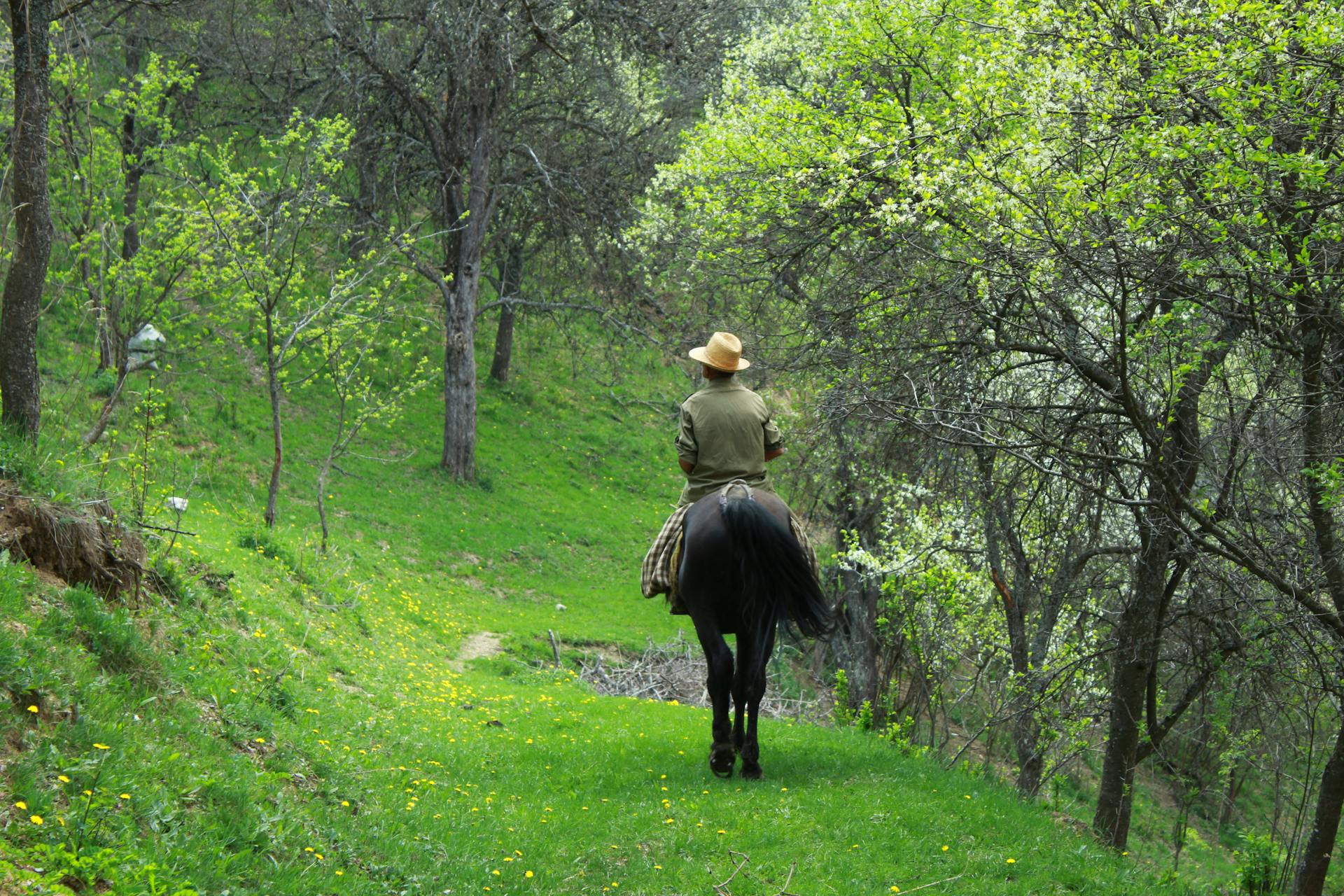

Question: How to Find Local Trail Systems for Equestrians in Dufferin County?
Answer: There are several resources to explore to find local trail systems for equestrians in Dufferin County. Check the Dufferin County Forest website for designated horse trails. Local groups like the Dufferin Headwaters Horsemen’s Association, conservation authorities, and the Ontario Trails Council also provide excellent maps, trail conditions, and access information for riders exploring the region’s beautiful equestrian-friendly trail systems.
Dufferin County’s Best Equestrian Trails
Dufferin County offers a stunning backdrop for horseback riding. Rolling hills, dense forests, and open fields create a perfect setting for adventure. Many riders dream of exploring these scenic landscapes with their equine partners. The joy of a quiet ride through a sun-dappled forest is an unmatched experience. Yet, finding accessible, safe, and enjoyable riding paths can be a challenge for new residents and seasoned riders alike. This article helps you to find local trail systems for equestrians in Dufferin County. We will explore official conservation areas, powerful online tools, and the value of community connections. You will learn where to look for information and what to expect on your journey.
This information helps you spend less time searching and more time in the saddle. We will cover the major public trail networks managed by conservation authorities and the county itself. You will also discover how to connect with local clubs that offer unique access and group activities. Understanding the rules and etiquette of the trail is also crucial for a positive experience for everyone. Prepare to uncover the incredible network of trails waiting for you and your horse right here in Dufferin County. Your next great ride is just around the corner.
Trails in Local Conservation Areas
Dufferin County sits within the jurisdiction of several conservation authorities that manage large tracts of land with multi-use trails. The Grand River Conservation Authority (GRCA) and Credit Valley Conservation (CVC) are two primary organizations to investigate. Their websites are the best starting point for official information. Look for a parks or conservation areas section to find maps, permitted activities, and trail descriptions. These resources clearly mark which trails permit horseback riding. They also provide essential details about trail length, difficulty, and terrain, helping you choose a ride that suits your horse’s fitness level and your experience.
Before you load your trailer, always check the official websites for current trail status. Weather events can cause closures, and maintenance projects may temporarily reroute paths. The websites also detail amenities like parking. You need to confirm that lots can accommodate a truck and horse trailer. Some popular locations, like parts of the Elora Cataract Trailway, offer designated equestrian parking. Many conservation areas require a day pass or an annual membership for access. Purchasing a pass supports the maintenance and preservation of these beautiful natural spaces for future riders to enjoy.
Click here for more information on a top-rated equestrian real estate broker
Related Article: What Should I Know About Zoning and Agricultural Exemptions for Equestrian Properties in Ontario?
Related Article: How Many Horses Can You Put on 20 Acres?
Connect with Dufferin’s Equestrian Organizations
Local and provincial equestrian organizations are a rich source of information and community. The Ontario Equestrian Federation (OEF) is a key body that advocates for riders and trail access across the province. Their website often features news and resources related to trail riding. More locally, chapters of groups like the Ontario Trail Riders Association (OTRA) operate within the region. Joining a local trail riding club provides numerous benefits. Members often gain access to exclusive trail networks on private land, which are not open to the general public. These clubs are dedicated to the equestrian experience.
These organizations also foster a strong sense of community. They organize group rides, clinics, and social events where you can meet other riders. This network is invaluable for sharing knowledge about trail conditions, trailer parking, and horse-friendly stops. Attending a local tack swap or equestrian event is another great way to make connections. Striking up a conversation with other riders can lead to great trail recommendations and even new riding partners. The firsthand knowledge shared within these communities is often more detailed than what you can find online or in a brochure.
Practise Responsible Trail Use and Etiquette
A positive trail experience depends on every rider’s commitment to safety and respect. Understanding proper trail etiquette ensures that equestrians remain welcome on multi-use paths. It protects the natural environment and fosters good relationships with hikers, cyclists, and other users. Knowing the rules before you go prevents conflicts and makes your ride more enjoyable. It is every rider’s responsibility to represent the equestrian community well by being a courteous and responsible trail user. A little preparation goes a long way in preserving trail access for years to come.
Follow these key principles for a safe and respectful ride:
-
Yielding the Trail
Horses have the right of way over both hikers and cyclists. When you meet others, pull to the side of the trail if safe, and allow them to pass. Communicate clearly and calmly to let them know if your horse is nervous. A friendly “hello” helps put everyone at ease.
-
Leave No Trace
This principle is vital. Pack out everything you bring in, including hay netting, wrappers, and water bottles. While manure is biodegradable, consider its impact in high-traffic areas like trailheads and parking lots. If possible, clear manure from these concentrated areas.
-
Stay on Designated Paths
Always stay on the marked, official trails. Riding off-trail can damage sensitive ecosystems, cause soil erosion, and create unauthorized paths that harm the environment. Respecting trail markers and any posted closures is essential for conservation and continued access.
The Dufferin County Forest Tracts
The Dufferin County Forest is a massive, 2,600-acre property spread across seventeen tracts. This public land offers one of the most extensive trail networks in the region, and many of its trails are open to equestrians. The County of Dufferin actively manages this forest for sustainable use, which includes recreation. The Main Tract, located near the Dufferin County Museum, is a popular starting point with well-marked trails and ample parking. Other tracts, like the South Tract, also offer excellent riding opportunities through varied terrain of pine plantations and hardwood forests.
Before you go, visit the Dufferin County website to find the official Forest Recreation Policy and trail maps. These documents outline the rules for use and show which trails are designated for different activities. The forest is a multi-use area, so you will share the trails with hikers, mountain bikers, and dog walkers. Be aware of your surroundings and practise good trail etiquette. The county may implement seasonal closures, especially during the spring thaw, to prevent damage to the trails. Always check for notices online to ensure the trails are open and safe for riding before you head out.
Find Private Farms and Riding Facilities
Beyond public parks and forests, Dufferin County is home to numerous private equestrian facilities. Many boarding stables and training centres maintain their own private trail systems for their clients. These trails are often a fantastic option because they are meticulously maintained, designed with horses in mind, and typically much less crowded than public paths. If you board your horse, ask the barn owner about on-property trails or their knowledge of nearby systems. This can be a simple and effective way to find great riding right outside your stall door.
Some private facilities also offer opportunities for riders who do not board with them. You may find stables that sell trail memberships or day passes, allowing you to “haul in” and use their trails for a fee. Finding these opportunities often requires some local networking. Check with area tack and feed stores, as they often have community bulletin boards with advertisements. Joining local equestrian social media groups is another great way to learn about which farms offer trail access. These private networks provide a controlled, horse-focused environment that many riders prefer.
Your Dufferin County Riding Adventure Awaits
Finding the perfect trail in Dufferin County is an exciting part of the equestrian lifestyle. You can confidently locate your next ride by using a combination of resources. Start with the official websites for the Dufferin County Forest and conservation authorities like the GRCA and CVC. These provide the most reliable information on public trail access, rules, and conditions. Enhance your search with digital tools like AllTrails and by connecting with riders in local online communities. These platforms offer real-world advice and can reveal hidden gems you might otherwise miss.
Do not forget the power of community. Joining a group like the Ontario Trail Riders Association connects you with passionate equestrians and can unlock access to private trail networks. Always remember to practise responsible etiquette to ensure a safe and enjoyable experience for everyone on the trail. The incredible variety of landscapes and the extensive trail systems make Dufferin County an exceptional place for horse lovers to call home. With so many options to explore, you and your horse can enjoy endless hours of adventure in the beautiful Headwaters region.