
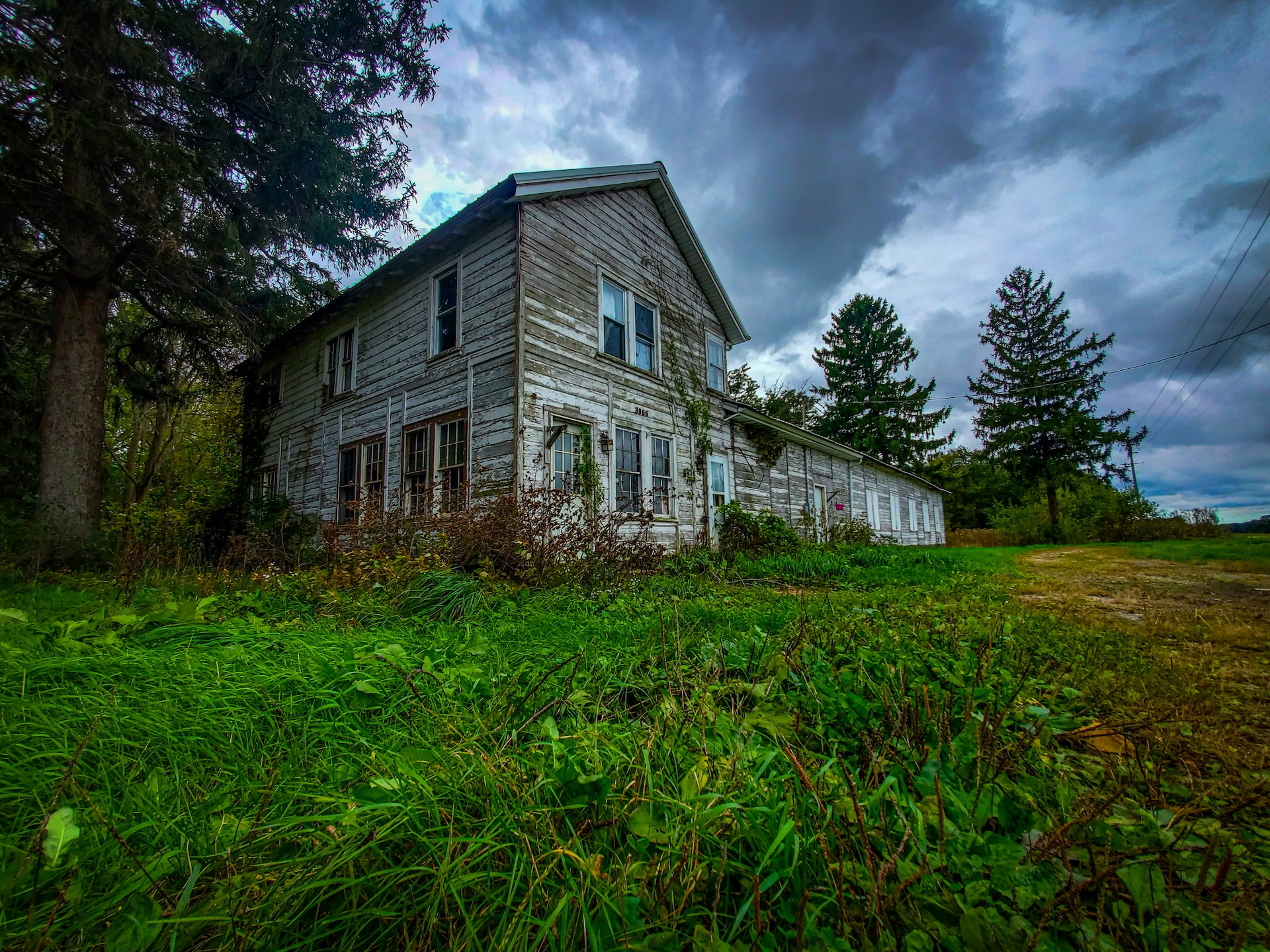

Question: What Is Value in Use for Land?
Answer: Value in use for land is the specific worth of a property to its current owner for its existing function. Unlike market value, it is not based on potential sale price but on the value generated from its current operation, like a family business or farm.
A Property’s True Utility
When you look at a piece of land, you might first think about its price. This price, or market value, reflects what someone is willing to pay for it today. However, another concept helps determine its real worth to a specific person or business and that is value in use for land. This term defines the net present value of cash flows or other benefits that an asset generates for a particular owner under a specific use. It is a personal valuation, not a market one.
Unlike market value, which assumes a sale between a willing buyer and seller, value in use focuses on the property’s utility to its current or a potential owner. For example, a vacant lot’s market value might be $500,000. For a developer who plans to build a profitable apartment complex, its value in use is much higher. Then for a neighbour who simply wants more green space, its value in use is purely aesthetic and personal. Understanding this distinction is vital for making informed real estate decisions.
Specific Utility vs Market Price
Value in use and market value are two different ways to assess a property’s worth. Market value represents the most probable price a property would bring in a competitive and open market. It is an objective figure based on recent sales of similar properties, or comparables. Appraisers determine market value to provide an impartial estimate for lenders, buyers, and sellers. This value is what you often see in real estate listings and is driven by supply and demand.
Value in use, however, is subjective. It measures the property’s worth to one specific user for one specific purpose. This value is not determined by the general market but by the owner’s unique plans, business model, or personal goals. A family farm that has been passed down through generations has a high value in use for the family due to its income generation and sentimental attachment. Its market value could be even higher if a developer wants to build a subdivision, a purpose the family has no interest in pursuing. The two values diverge based on perspective and intent.
Click here to learn more about how much this Caledon property is worth
Related Article: What Is Meant By Land Evaluation?
Related Article: What Three Things Determine the Value of Land?
How Specific Utility Influences Real Estate Decisions
The concept of value in use directly guides the strategies of buyers, sellers, and investors. It provides a framework for making decisions that go beyond a simple price tag. For a seller, understanding what makes their land useful helps them identify the perfect buyer. A landowner with a parcel zoned for high-density residential use can market it to condominium developers. This targeted approach finds a buyer who sees the highest value in use and is therefore willing to pay a premium price for that specific potential.
For a buyer, the analysis is just as important. A buyer evaluates a property based on its suitability for their specific needs. A logistics company looks for large, flat parcels of land near major transportation corridors. Its value in use calculation is based on how efficiently it can operate a distribution centre there. A buyer who fails to assess value in use might purchase land that is unsuitable for their project, leading to financial loss. Investors often search for properties where they can increase the value in use, for instance, by getting the land rezoned for a more profitable purpose.
The Impact of Highest and Best Use
Value in use is closely related to the appraisal principle of Highest and Best Use. This principle states that the market value of a property is based on the use that is legally permissible, physically possible, financially feasible, and results in the highest value. In essence, Highest and Best Use identifies the most profitable potential value in use for a piece of land. This potential often dictates its market price, even if the land is not currently being used in that way.
Consider a small, older home located on a main commercial street. Its current use is residential. Its value in use to the homeowner is shelter. However, the zoning allows for a commercial building. If building a small retail plaza is financially viable, that commercial use is likely the property’s Highest and Best Use. A commercial developer will see this potential and offer a price based on the land’s value for a retail project, not its value as a single-family home. The gap between the current value in use and the potential value in use creates significant financial opportunity.
Calculating and Assessing a Property’s Usefulness
Assessing value in use is not as straightforward as finding market comparables. It requires a different kind of calculation focused on utility and future benefits. For a business or investor, this calculation is often financial. They might perform a discounted cash flow analysis to estimate the future income the property can generate. For example, a farmer calculates the potential profit from crop yields over many years to determine the land’s value in use to the farm operation. An apartment developer estimates future rental income to justify the purchase price.
For an individual homeowner, the calculation can be non-monetary. The value in use of a family cottage on a lake is measured in decades of enjoyment, recreation, and memories. That personal utility is priceless to the family. To accurately assess a property’s potential, you should consult with professionals. A real estate agent can provide insight into market trends and zoning. A municipal planner can clarify land use regulations. An appraiser can help determine its Highest and Best Use. This team helps you understand the full scope of a property’s potential utility.
Conclusion
Ultimately, value in use offers a deeper perspective on a property’s worth. While market value tells you what a property might sell for, value in use tells you what it is worth to you or another specific user. This personalized view empowers you to look beyond the listing price and see the true potential held within a parcel of land. It shifts the focus from a simple transaction to a strategic investment in a specific future, whether that future is a profitable business, a new housing development, or a family legacy.
By understanding this concept, both buyers and sellers can make more intelligent and profitable decisions. A seller can identify the ideal buyer who will pay top dollar for the land’s unique attributes. A buyer can confidently acquire a property that perfectly fits their plans. Land is not just a commodity; its value is deeply connected to its purpose. Before you buy or sell, always ask what its best purpose is. The answer reveals its true and most profound value.


