
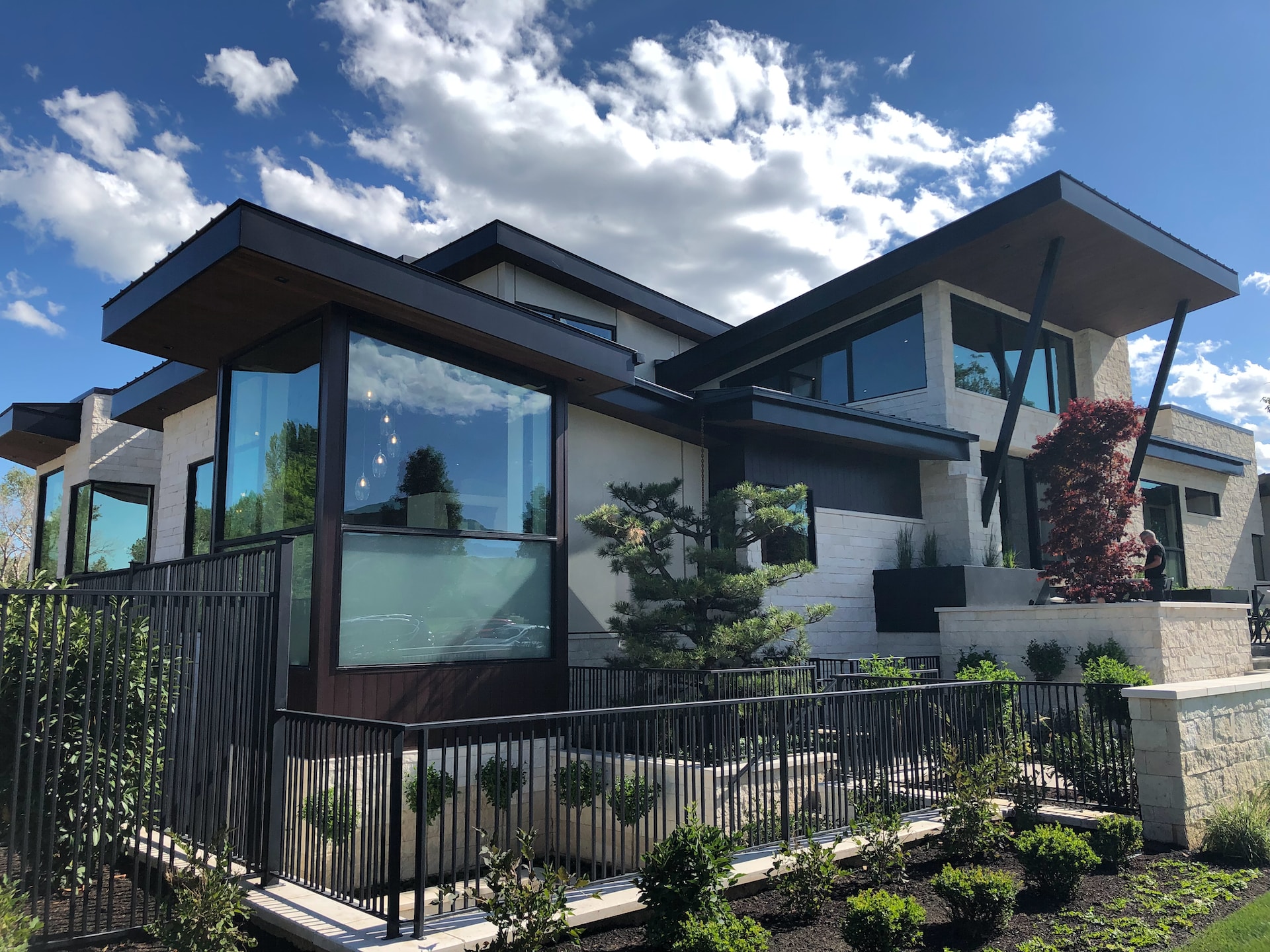

Question: What Can Replacement Cost Be Used To Value?
Answer: Replacement cost can be used to value unique properties like schools or churches with few comparable sales. It is also important for establishing appropriate insurance coverage and for appraising newly constructed buildings where market data is limited.
Replacement Cost’s Role in Valuation
When you evaluate a property, you encounter several valuation terms. Market value is the most common, representing what a buyer will pay. Another crucial concept is replacement cost. This figure estimates the total expense to construct a nearly identical building at today’s prices. It uses current materials and labour costs. Understanding what can replacement cost be used to value is essential for any property owner. It offers a different perspective on a property’s worth, separate from market trends or buyer demand.
This cost includes everything from foundation to roof. It also accounts for professional fees, permits, and materials. Replacement cost is not the same as market value, which includes land and location desirability. It also differs from actual cash value, which is replacement cost minus depreciation. Knowing this distinction helps you make smart decisions about insurance, investments, and property management. It provides a solid baseline for a building’s physical worth.
Insuring Your Property Correctly
The primary use for replacement cost is in the insurance industry. Insurance companies use this calculation to determine the proper coverage amount for a home or commercial building. This value ensures that if a disaster destroys your property, your policy provides enough funds to rebuild it to its previous state. The goal is to make you whole again by restoring the physical structure you lost. An accurate calculation is vital for your financial protection.
Your insurance policy’s dwelling coverage should match the replacement cost, not the market value. Market value includes the land, which is not typically destroyed in an event like a fire. Insuring your home based on market value can lead to being over-insured or under-insured. If you are under-insured, you will face a significant financial shortfall when you try to rebuild. Insurers calculate this cost using detailed software that considers local construction costs, building materials, and home features like kitchens, bathrooms, and unique architectural details.
Click here to check out our free home value estimator Shelburne, Canada
Related Article: What Is the Replacement Value of the Property?
Related Article: How Do Insurance Companies Assess Home Value?
A Key Component of Formal Appraisals
Professional real estate appraisers use three main methods to determine a property’s value. The Cost Approach is one of these essential tools, alongside the Sales Comparison Approach and the Income Approach. Appraisers often use the Cost Approach to establish a ceiling for a property’s value. A buyer is unlikely to pay more for an existing property than it would cost to build a brand new, similar one. This principle provides a valuable cross-check for the other valuation methods.
The process is methodical. The appraiser first determines the value of the land as if it were vacant. Next, they calculate the replacement cost of all improvements, namely the buildings. Then, the appraiser deducts any loss in value from depreciation. There are three main types of depreciation appraisers consider:
-
Physical Deterioration
This is the wear and tear from age and use, like a worn-out roof or an old furnace.
-
Functional Obsolescence
This refers to outdated design features, such as a home with only one bathroom or a poor floor plan.
-
External Obsolescence
This loss in value comes from factors outside the property, like a nearby landfill or increased traffic noise.
By adding the depreciated cost of the building to the land value, the appraiser arrives at a final value estimate.
Informing New Construction Decisions
Builders and developers use replacement cost analysis to determine a project’s feasibility. Before breaking ground, a developer needs a precise understanding of the total construction expense. They calculate the replacement cost to create a detailed budget. This budget includes every element, from raw materials and skilled labour to permits and engineering fees. This financial planning is the first step in any successful development project.
The developer compares this total projected cost against the property’s anticipated market value upon completion. If the market value does not sufficiently exceed the total cost, the project lacks profitability and is too risky. This analysis, known as a feasibility study, prevents developers from overbuilding for a specific market or investing in a project that will not generate a return. It grounds development decisions in concrete financial data rather than speculation. Homeowners planning a major renovation also use similar cost estimates to manage their budgets effectively.
How Replacement Cost Influences Property Taxes
Municipal governments need a fair and consistent way to value all properties for taxation purposes. Assessment authorities, such as the Municipal Property Assessment Corporation (MPAC) in Ontario, often use a mass appraisal system based on the cost approach. While the final assessed value is meant to reflect market value, the underlying calculations often begin with replacement cost. This method allows them to value thousands of homes efficiently and equitably.
The assessment authority calculates the cost to build your home today. Then, it subtracts depreciation based on the home’s age and condition. It adds this depreciated building value to an assessed land value. This process helps ensure that homes of similar size, quality, and age in a neighbourhood receive comparable assessments. If you believe your property tax bill is too high, you can review your assessment. You may find that the estimated replacement cost or the applied depreciation rate is inaccurate, which can be grounds for an appeal.
Bringing It All Together
Replacement cost is a versatile and powerful valuation tool. Its applications extend far beyond a single industry. It is the cornerstone of property insurance, ensuring you can rebuild after a loss. It provides a logical valuation for unique properties where market data is absent. Professional appraisers use it within the Cost Approach to provide a complete picture of a property’s worth. Developers rely on it to confirm that new projects are financially sound before they commit capital.
Even your property tax bill is influenced by replacement cost principles. Understanding this concept empowers you as a property owner. You can have more informed conversations with your insurance agent, question an appraisal, or analyze a potential development. The most important lesson is to recognize that replacement cost and market value are two different numbers with distinct purposes. Knowing both helps you protect your investment and make sound financial decisions regarding your property.