

How Nearby Noise Affects Your Home’s Value
You find a home with the perfect layout, a beautiful kitchen, and a great backyard. The location seems ideal, close to amenities and with an easy commute. Before you make an offer, you must consider an invisible factor that can significantly alter your quality of life and your investment. The impact of proximity to noise sources on home values is a critical element that many buyers overlook. This factor influences not just your daily peace but also the property’s marketability and future appreciation. A constant hum from a nearby highway or the periodic roar of a landing airplane can detract from a home’s appeal.
Understanding this concept is important for both buyers and sellers. For buyers, it means performing due diligence beyond a single, quiet weekend viewing. For sellers, it means setting a realistic price and knowing how to market a property that has audible neighbours like a train line or a busy commercial centre. Noise levels directly affect supply and demand. Homes in quieter areas often command higher prices and sell faster than identical homes in noisier locations. This difference in value is something appraisers formally recognize, and it is something you should consider carefully in your real estate journey.
Key Noise Sources in Neighbourhoods
Different types of noise affect properties in unique ways. Homebuyers and sellers should identify potential sources early in the process. The most common and impactful noise sources are often related to transportation. Major highways produce a constant, low-frequency drone that can travel long distances. This sound can infiltrate homes and disrupt sleep. Major arterial roads within a city contribute significant traffic noise, especially during peak rush hours. The volume and frequency of this noise can make outdoor living spaces much less enjoyable for homeowners.
Airports are another major source of noise pollution. Properties located under primary flight paths for takeoffs and landings experience intense, intermittent noise. This can be particularly disruptive. Railway lines also present a challenge. Commuter trains operate on a predictable schedule, but freight trains can pass at any hour with considerable noise and vibration. Beyond transportation, you should consider commercial and community sources. Living near a shopping centre, a bar with a patio, an industrial park, or even a school or large park can introduce various sounds at different times of the day and night.
Click here to find out how much your house is worth
Related Article: Should I Buy a House Close to a Highway?
The Financial Impact of Transportation Corridors
Highways and airports are two of the most significant sources of noise that impact home values. Properties located directly beside a major highway, like the 401, can see substantial value reductions. The noise is not the only issue. Associated air pollution from traffic and vibrations from heavy trucks also contribute to the negative perception. Real estate experts often talk about a “buffer zone.” The largest price drops occur for homes within 100-200 metres of the highway. The effect lessens considerably as you move further away, often becoming negligible beyond 500 metres, depending on terrain and other structures.
Airport noise operates differently. The key factor is not just proximity to the airport grounds but location relative to flight paths. A home five kilometres away but directly under a landing path may experience more noise than a home two kilometres away but off to the side. Buyers can use online flight tracker tools to see these paths. The perceived risk of future airport expansion can also weigh on property values in surrounding communities. For both highways and airports, the market clearly shows that buyers pay a premium for peace and quiet, creating a distinct price gap between otherwise identical homes.
Living Near Railway Lines
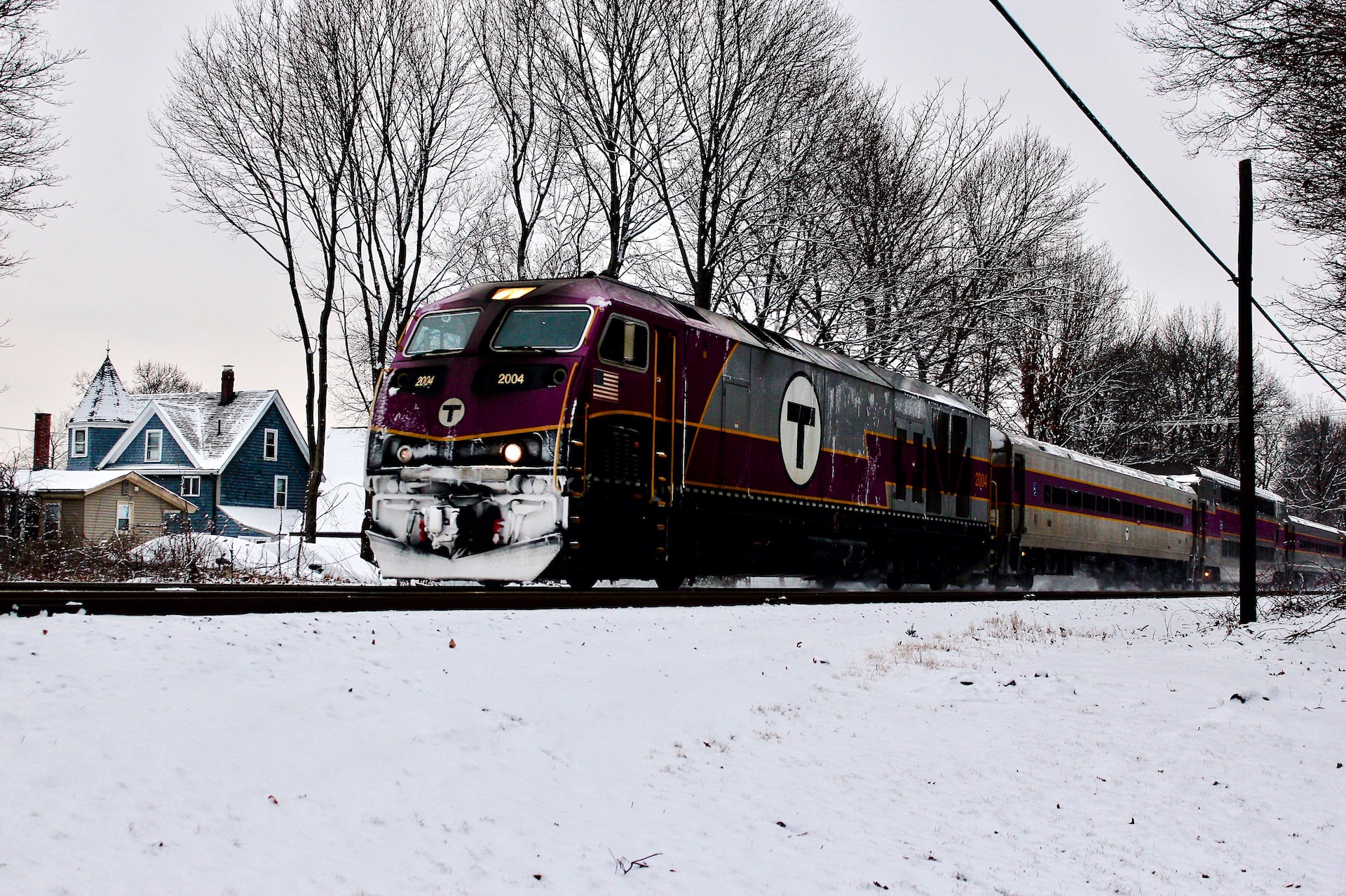
Railway lines introduce a distinct type of noise that presents a unique set of considerations for homebuyers. The impact on property value often depends on the type of railway. A commuter line, like a GO Transit corridor, typically has a predictable schedule. Residents know when to expect trains, and the noise is often a temporary part of the daily routine. For some buyers, the convenience of walking to the station for their daily commute outweighs the noise, sometimes even creating a net positive effect on value. This demonstrates that not all transportation noise is viewed equally by the market.
In contrast, freight lines create more uncertainty and a greater negative impact. Freight trains are often longer, heavier, and louder than commuter trains. They can also run at any time of day or night, disrupting sleep. A critical factor is the presence of at-grade crossings. These crossings legally require trains to sound their powerful horns as a warning, creating extremely loud and jarring noise events. The ground vibrations from heavy freight trains can also be a concern for a home’s foundation over the long term. Buyers are typically more hesitant about properties near active freight lines, which leads to longer times on the market and lower sale prices.
Noise Mitigation and Its Return on Investment
Homeowners are not powerless against noise pollution. You can take several steps to mitigate sound intrusion, which can help preserve your home’s value and improve its marketability. These upgrades can make a noticeable difference in a buyer’s perception of the home. A quiet interior can help them overlook a less-than-silent exterior. While these improvements may not erase the entire price deficit from the external noise, they can make a home more competitive.
-
Upgrading Windows
Replacing standard double-pane windows with triple-pane or laminated glass windows is one of the most effective solutions. These windows are specifically designed to block sound transmission from the outside.
-
Improving Insulation
Adding sound-dampening insulation to exterior walls and the attic can absorb a significant amount of noise. This upgrade also improves the home’s energy efficiency, offering a dual benefit.
-
Landscaping Solutions
A natural sound barrier can be very effective. Planting a dense row of trees and shrubs or building an earthen berm can deflect and absorb sound waves before they reach the house.
-
Solid Fencing
A tall, solid fence made of wood or masonry with no gaps can block a direct path for sound. This is particularly useful for reducing traffic noise in backyards and creating a more peaceful outdoor space.
Seller Disclosure and Buyer Due Diligence
The topics of disclosure and research are important for both parties in a real estate transaction. In Ontario, sellers must disclose any “latent defects.” These are significant issues with the property that are not easily discoverable through a normal inspection and render the home dangerous or uninhabitable. While a high noise level is not typically classified as a latent defect, sellers who intentionally conceal or misrepresent noise issues could face legal challenges later. Using a Seller Property Information Statement (SPIS) requires sellers to answer questions about neighbourhood conditions, and honesty is the best policy.
For buyers, the rule is “buyer beware.” You are responsible for discovering the property’s characteristics, including its sound environment. Do not rely solely on what a seller discloses. Your due diligence should be active and thorough. Visit the property on different days of the week and at various times, including morning rush hour, midday, and late evening. Listen from inside and outside the home. You can also use online resources like noise level maps and airport flight path trackers to get objective data. Finally, talk to the neighbours. They are an invaluable source of information about what it is really like to live in the area day-to-day.
Balancing Price, Location, and Peace
The relationship between noise and property value is undeniable. From the constant presence of a highway to the scheduled passing of a train, audible intrusions directly influence what a buyer will pay. This impact is formally recognized by appraisers and is reflected in market data. Sellers with homes near noise sources must approach pricing with realism. Acknowledging the noise and pricing the home accordingly from the start can lead to a faster and smoother sale. Investing in sound mitigation features can also improve the home’s appeal and help close the value gap.
Buyers, in turn, have an opportunity. A home in a noisier location can be a more affordable entry point into a desirable neighbourhood. The key is to make an informed decision based on personal tolerance and thorough research. You must honestly assess how much noise you can live with and understand the potential resale implications. By visiting at various times and speaking with locals, you can gain a true sense of the acoustic environment. Finding the right home is about balancing location, price, and quality of life. An experienced real estate professional can help you analyze these factors to make a choice that aligns with your financial and personal goals.