
Question: How Do I Measure the Square Footage of a House?
Answer: To measure the square footage of a house, calculate the exterior dimensions (length × width) of all finished, above-grade levels and add them together. This provides the Gross Living Area (GLA). Garages, unfinished basements, and porches are typically excluded from this total on Canadian real estate listings.
Your Home’s True Size
Knowing your home’s accurate square footage is essential for any homeowner. Whether you plan to sell, renovate, or simply understand your property better, this number holds significant value. It directly influences your home’s market price, property tax assessment, and even the budget for new flooring. So, how do you measure the square footage of a house? The process is more straightforward than you might think. With the right tools and a clear method, you can calculate your home’s size with confidence. An accurate measurement ensures you list your home correctly and provides clarity when comparing it to other properties on the market. It gives you a solid foundation for all your housing-related plans.
Essential Tools for Accurate Measurement
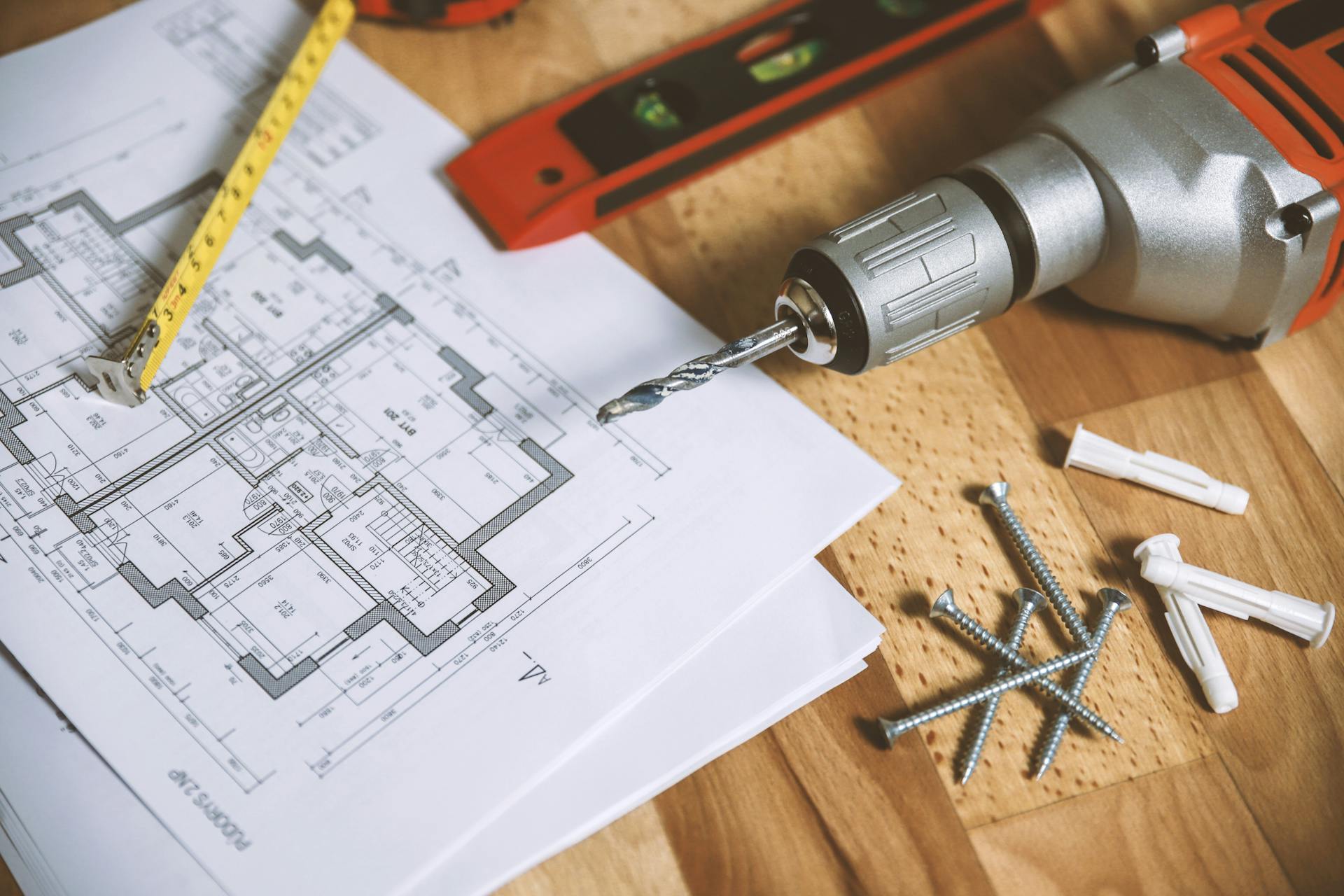
Before you begin, you should gather a few simple tools. Having the right equipment makes the measurement process smooth and accurate. Your most important tool is a measuring device. A classic metal tape measure of at least 25 feet is a reliable choice. It works well for most rooms and is easy to use. For larger spaces or for greater precision, a laser measure is an excellent alternative. Laser measures send out a beam of light to the opposite wall and instantly give you a digital reading. They are very accurate over long distances and can be operated by one person easily.
You will also need a way to record your findings. A notepad and pen work perfectly, or you can use a tablet or smartphone. Draw a simple sketch of each floor of your home. This floor plan does not need to be artistic. It just needs to be a clear map where you can write down the dimensions of each room. Finally, have a calculator ready. You will use it to multiply your length and width measurements to find the area of each space. Having a friend to help hold the tape measure can also speed up the process and improve accuracy, especially in large, open-concept areas.
Please visit this page to find out how much your home is worth
Related Article: Is the Garage Included in Square Footage?
A Step-by-Step Measurement Guide
With your tools and a clear understanding of what to measure, you can start the process. The goal is to be systematic to avoid missing any areas. For detached houses, the most common method is to measure the exterior dimensions of each floor. This approach captures the entire footprint of the home’s living area. For homes with attached units or apartments, you will measure the interior of each room. We will outline a simple process that works for any home type and ensures you capture all the necessary information for an accurate total.
Follow these steps for a reliable measurement:
-
Create a Simple Floor Plan
Sketch each level of your home on a separate piece of paper. This visual guide will help you organize your measurements. Label each room or area clearly so you know exactly where each number belongs. This simple map prevents you from measuring the same space twice or forgetting a closet or hallway.
-
Measure Each Room or Level
Move through your home one room at a time. Measure the length and the width of each space. Record these two numbers on your floor plan in the corresponding room. For rectangular or square rooms, this is all you need. Always measure from wall to wall. If you are using the exterior method, measure the length and width of the entire house from the outside for each level.
-
Account for Irregular Shapes
Many homes have rooms that are not perfect squares. For L-shaped rooms or areas with nooks, you should break the space into smaller, regular rectangles. Measure the length and width of each smaller rectangle separately. Note these measurements on your sketch. You will calculate the area for each small section and add them together later.
Putting the Numbers Together
Once you have recorded all your measurements, you can begin the calculations. The math is simple multiplication and addition. For each rectangular room or section you measured, you will find its individual area. The formula is Length × Width = Area. For example, if a bedroom is 10 feet long and 12 feet wide, its area is 120 square feet (10 ft × 12 ft = 120 sq ft). Do this calculation for every room and section on your floor plan.
After you calculate the area for each individual space, you will add them all together. This sum gives you the total square footage for that floor. Repeat this process for each level of your home. Remember to only include finished, heated, above-grade areas in this final tally. A very important detail is to subtract any open-to-below spaces. For instance, if you have a two-storey foyer, the open area above the entrance is part of the main floor’s footprint but not the second floor’s living area. You must subtract that open area from the second floor’s total calculation to get an accurate GLA.
Avoiding Common Measurement Pitfalls
Achieving an accurate square footage measurement requires care. Several common mistakes can lead to an incorrect final number. One of the most frequent errors is including non-GLA spaces. Homeowners often add the area of their garage, unfinished basement, or screened-in porch to the total. While these spaces add value, they are not part of the official living area. Always stick to the definition of finished, heated, above-grade space. This ensures your calculation is consistent with industry standards.
Another pitfall is incorrect measuring technique. When using a tape measure, make sure it is straight and taut. A sagging tape can add inches to your measurement. With a laser measure, ensure you are holding it flat against a wall for a true reading. Calculation errors are also common. Double-check your multiplication and addition. It is easy to make a small mistake that affects the final number. Finally, people often forget to account for the thickness of walls when switching between interior and exterior measurement methods. Be consistent with the method you choose to get a reliable result.
Professional Measurement vs. DIY
Measuring your own home is an excellent way to understand your property. It is useful for personal projects like renovations or for your own general knowledge. However, there are times when hiring a professional is the better choice. For high-stakes situations, a professional measurement provides a certified, defensible number that you can rely on. If you are preparing to sell your home, an official square footage figure from an appraiser or a certified measurement specialist adds credibility to your listing. Buyers and their agents trust these third-party figures.
Professionals use specialized equipment and adhere to strict local real estate board standards for measurement. They have experience with complex layouts, such as homes with many angles, split levels, or unique architectural features. A professional is also essential if you are appealing your property tax assessment. The municipality will require a certified measurement to consider your appeal. While a DIY measurement is a great skill, a professional provides peace of mind and an official document when accuracy and liability matter most.
Conclusion
Measuring the square footage of your house is a manageable task that provides valuable insight into your property. By gathering the right tools, understanding what defines Gross Living Area, and following a methodical process, you can determine your home’s size with confidence. This knowledge is a powerful asset. It helps you accurately price your home for sale, plan renovations effectively, and understand your property tax bill. Being aware of common pitfalls, like including a garage or making simple math errors, helps you refine your process and achieve a more precise result.
While doing it yourself is empowering, remember that professionals are available for situations that demand certified accuracy. Whether you measure yourself or hire an expert, a correct square footage figure is a fundamental piece of information for any homeowner. It forms the basis of your home’s value and utility. Armed with this knowledge, you are better prepared to navigate the real estate market and make smart decisions about your most significant investment. Your home’s size is more than just a number; it is a key to unlocking its true potential and value.