
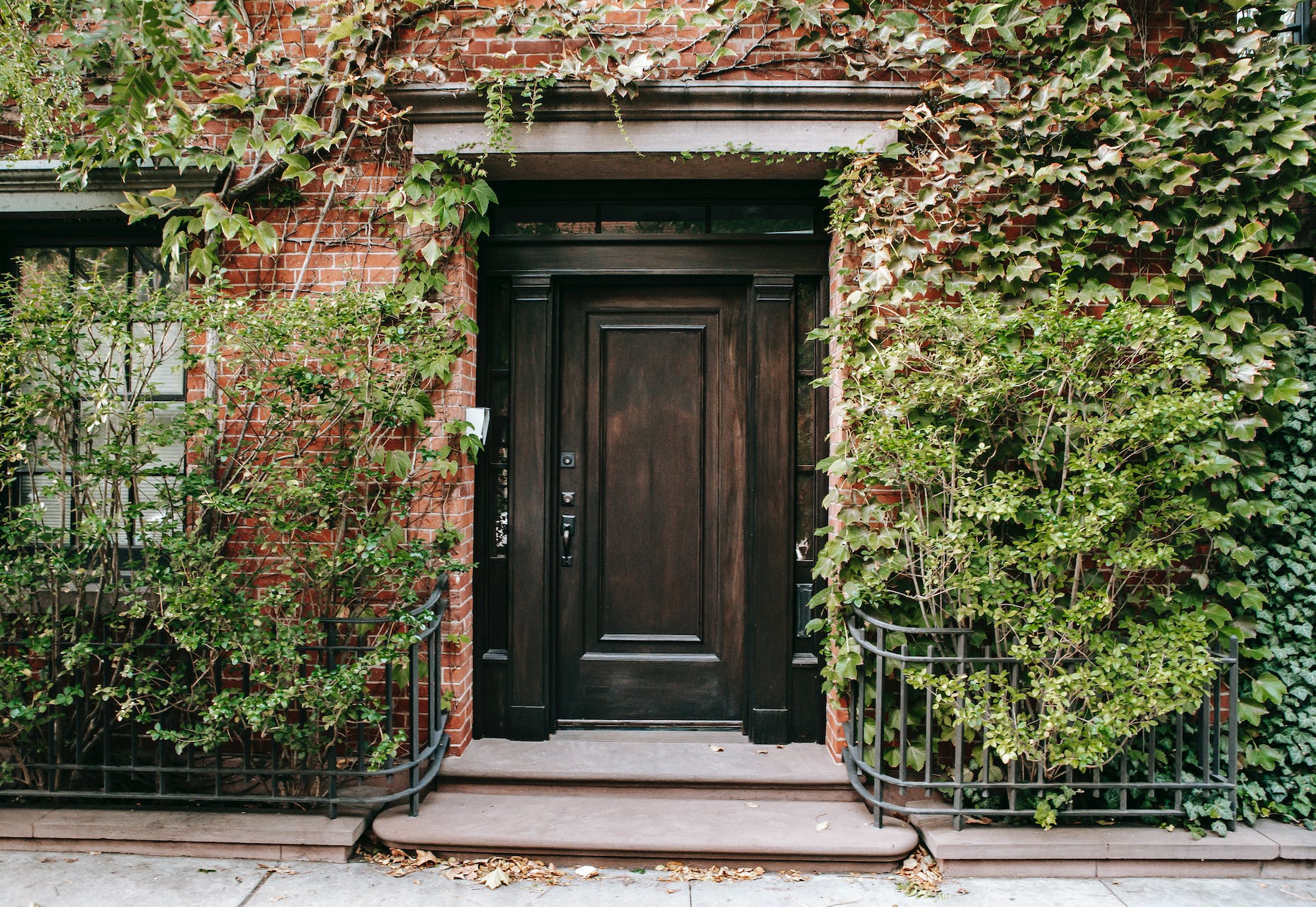

Question: How Does Climate Change Affect Housing Prices?
Answer: Climate change affects housing prices by increasing risks like flooding and wildfires, driving up insurance costs and potentially lowering property values in vulnerable areas. Shifting buyer preferences toward more resilient homes and stricter building codes also significantly impact a property’s long-term value.
The Climate’s Impact on Your Home’s Value
The weather has always influenced our daily lives. Now, shifting climate patterns are starting to reshape the real estate market in profound ways. Homebuyers and sellers increasingly ask how climate change affects housing prices? This question is no longer theoretical. It has practical implications for your property’s long-term value and your financial security. Factors like rising insurance costs, physical risks from extreme weather, and changing buyer priorities all play a part in this new reality. Understanding these connections is essential for making informed decisions in today’s property market.
The value of a home depends on many variables, from its location to its condition. Climate change adds a new layer of factors to this calculation. A waterfront property might have once been a dream home, but now buyers assess its flood risk. A house nestled in a dense forest might seem serene, but its vulnerability to wildfires is a growing concern. These risks directly translate into financial costs and influence what a buyer is willing to pay. This shift forces everyone in the property market, from agents to appraisers, to view homes through a new lens of resilience and sustainability.
The Rising Tide of Insurance Premiums
One of the most immediate financial impacts of climate change on homeowners is the rising cost of property insurance. Insurance companies calculate their premiums based on risk. As extreme weather events like intense rainfalls, floods, and severe storms become more frequent and severe, the risk of property damage increases. Insurers respond to this heightened risk by raising premiums to cover the potential for larger and more frequent payouts. For homeowners in high-risk areas, this can mean a significant increase in annual expenses.
In some cases, the problem extends beyond affordability. Insurance providers may deem certain areas too risky to cover at all. A home located in a designated floodplain or a region prone to recurring wildfires could become uninsurable. This creates a major obstacle for both buyers and sellers. A buyer cannot secure a mortgage without proof of insurance, which drastically shrinks the pool of potential purchasers. This lack of insurability directly reduces a property’s market value, sometimes substantially. The total cost of ownership now includes a careful calculation of insurance accessibility and price.
Visit this page to find out what your home is worth
Related Article: What Are the Future Impacts of Climate Change on Housing and Buildings?
Related Article: Climate Change and its Impact on Property Value
Shifting Buyer Preferences and Demand
Today’s homebuyers are more informed about climate change than ever before. This awareness directly shapes their preferences and alters market demand. Many buyers now actively seek out properties in areas they perceive as safe from the worst effects of climate change. This can lead to increased demand and higher prices in lower-risk communities. Conversely, demand may soften for homes in areas vulnerable to flooding, wildfires, or other climate-related hazards. This shift in demand creates new winners and losers in the real estate market based on geography.
Buyers are also looking more closely at the features of a home itself. Properties equipped with climate-resilient features are becoming more attractive. For example, a house with a professionally waterproofed basement, a sump pump with a battery backup, or a durable metal roof may command a higher price. Energy efficiency is another major driver. Homes with modern insulation, high-efficiency windows, and renewable energy sources like solar panels appeal to buyers. These features promise lower utility bills and a greater sense of security, making the property a more valuable long-term investment.
The Role of Government Regulations and Infrastructure
Government actions at all levels play a significant role in how climate change affects property values. Municipalities may update building codes to mandate more resilient construction methods in new homes. These codes could require stronger roofing materials, higher foundations in flood-prone areas, or the use of fire-resistant siding. While these measures increase the initial cost of construction, they also create safer, more durable homes that retain their value better over time. These updated homes often become more desirable to buyers looking for peace of mind.
Public investment in protective infrastructure is another key factor. A community that invests in flood barriers, updated stormwater management systems, or wildfire prevention programs offers its residents a higher level of protection. This can stabilize or even increase property values within that community compared to a neighbouring area that has not made similar investments. Zoning laws also have a powerful effect. If a municipality restricts new development in high-risk zones, the value of existing, safer properties may rise due to limited supply. Government policy directly shapes the risk and desirability of a neighbourhood.
Energy Efficiency as a Value Driver
Energy efficiency is no longer a niche feature; it is a key component of a home’s value. With rising utility costs and a growing awareness of environmental impact, buyers are placing a premium on homes that consume less energy. An energy-efficient home translates directly into lower monthly bills for heating, cooling, and electricity. This saving makes the home more affordable to own over the long term. Buyers are often willing to pay more upfront for a property that promises these future savings. Real estate listings that highlight energy-efficient features often attract more interest from discerning purchasers.
Several specific upgrades can significantly boost a home’s energy performance and its market value. These include:
-
High-Performance Windows
Modern double or triple-pane windows reduce heat loss in winter and keep homes cooler in summer.
-
Upgraded Insulation
Proper insulation in the attic, walls, and basement is one of the most effective ways to lower energy consumption.
-
Efficient HVAC Systems
A new, high-efficiency furnace, air conditioner, or heat pump can drastically cut energy use.
-
Solar Panels
Homes that generate their own electricity are highly attractive and can fetch a significant price premium.
Long-Term Financial and Mortgage Implications
The influence of climate change on housing extends into the financial sector, particularly affecting mortgages. Lenders are businesses that manage risk, and they have begun to assess the long-term climate risk associated with the properties they finance. A home located in an area with a high probability of future flooding or other climate disasters represents a greater risk to the lender. The property, which serves as collateral for the loan, could lose significant value or be destroyed, jeopardizing the lender’s investment. This risk assessment is becoming a standard part of the lending process.
This new layer of risk analysis has tangible consequences for borrowers. Lenders might require a larger down payment for a high-risk property to reduce their own exposure. They could also charge a higher interest rate to compensate for the increased risk. In the most extreme scenarios, a financial institution may simply decline to issue a mortgage for a property it deems too vulnerable. This limits the number of people who can buy the home, which in turn applies downward pressure on its price. The ability to secure favourable financing is now linked to a property’s climate resilience.
Conclusion
The connection between our changing climate and the value of our homes is clear and growing stronger. It is a reality that homeowners, buyers, and real estate professionals must now address. From the direct financial sting of higher insurance premiums to the physical threat of extreme weather, the impacts are varied and significant. We see how buyer demand is shifting, favouring homes that are both safe and efficient. At the same time, government policies and the decisions of financial institutions are reshaping the landscape, creating new rules for property valuation.
For those in the property market, this requires a proactive approach. Buyers should research a property’s exposure to climate risks like flooding and inquire about its insurance history and energy performance. Sellers can protect their investment by making smart upgrades that enhance resilience and efficiency. Features like improved drainage, reinforced roofing, and better insulation are no longer just improvements; they are essential safeguards for a home’s value. Acknowledging these factors is the first step to making sound real estate decisions in a changing world.