
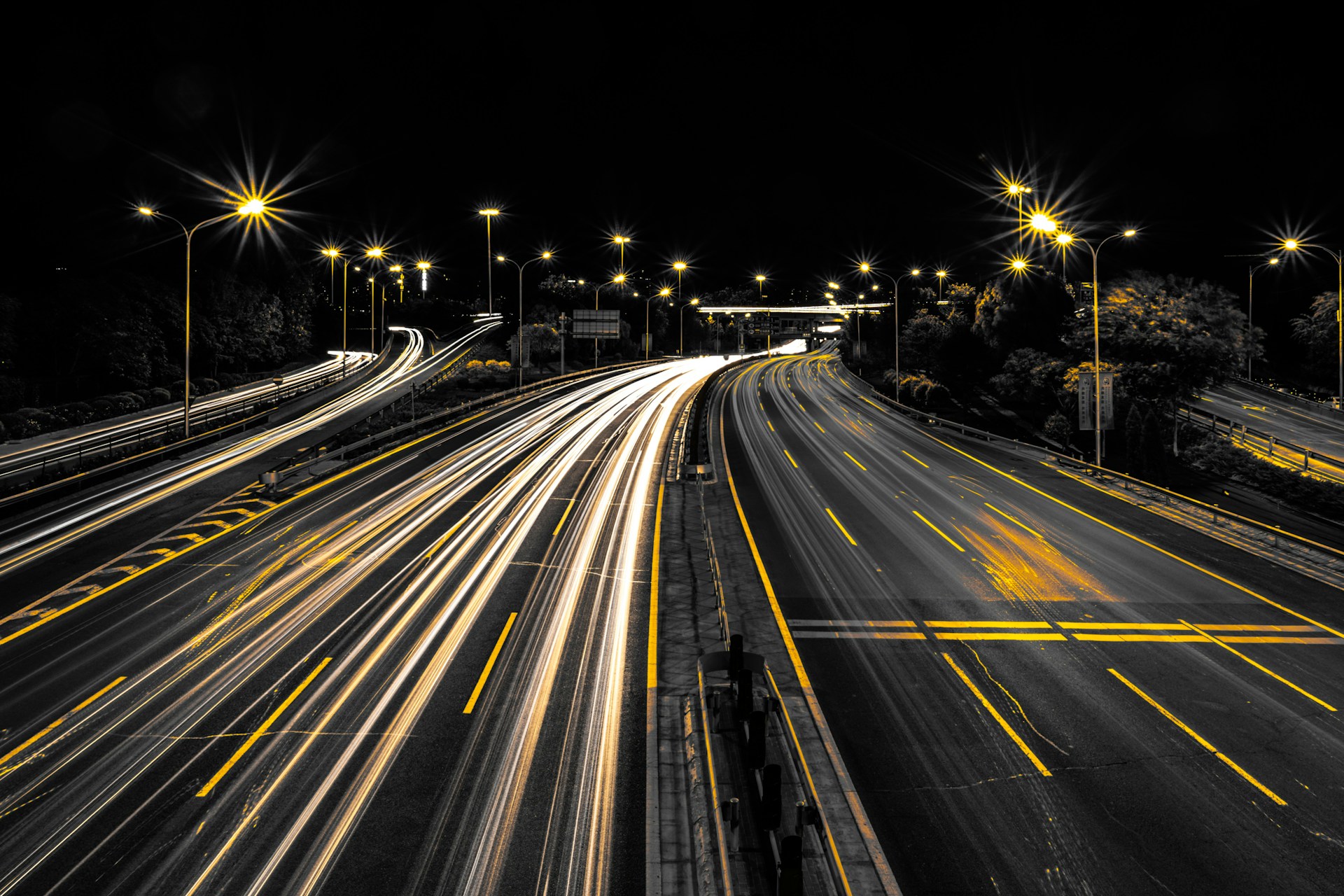

Question: Should I Buy a House Close to a Highway?
Answer: Buying a house close to a highway is a trade-off. Proximity offers excellent commuter convenience and potential affordability. However, you must weigh the significant drawbacks of constant traffic noise, air quality concerns, and a possible negative impact on the property’s long-term resale value.
Deciding on a Home Near a Major Roadway
You found a property that seems perfect. It has the right number of bedrooms, a beautiful yard, and a great price. The only catch is its location next to a busy highway. This situation leads many potential homebuyers to ask, should I buy a house close to a highway? The answer depends on your personal priorities, lifestyle, and tolerance for certain trade-offs. A home near a major transportation route offers undeniable convenience for commuters. It can significantly shorten your daily travel time and provide easy access to city centres and amenities.
However, this convenience comes with potential downsides. You must consider factors like constant traffic noise, potential air quality issues, and the impact on the property’s future resale value. This decision requires a careful balance of the pros and cons. Understanding each element helps you make an informed choice that aligns with your family’s needs and long-term happiness. We will explore the key considerations to help you weigh your options effectively.
The Benefit of Unmatched Accessibility
The primary advantage of living near a highway is convenience. For many people, a shorter commute is a significant quality-of-life improvement. Less time spent in traffic means more time for family, hobbies, or simple relaxation. Easy access to a major roadway connects you effortlessly to your workplace, shopping centres, entertainment venues, and other cities. This connectivity can be a major draw for professionals and families who travel often for work or leisure.
This prime location can also translate into financial benefits. Homes situated directly beside highways often have a lower purchase price compared to similar properties in quieter, more secluded neighbourhoods. This price difference can make homeownership more attainable or allow you to afford a larger home than you otherwise could. For buyers who prioritize accessibility and budget over a quiet environment, these homes represent excellent value. You gain direct access to the region’s transportation network, which simplifies daily logistics and travel plans.
Click here to get a property valuation report
Related Article: Impact of Proximity to Noise Sources on Home Values
Health and Environmental Considerations
Beyond noise, you must consider the environmental factors associated with highway proximity. Vehicles emit pollutants, including particulate matter and nitrogen oxides, which can affect local air quality. Living very close to a major roadway may expose you and your family to higher concentrations of these pollutants. Individuals with respiratory conditions, such as asthma, young children, and older adults may be more sensitive to these environmental effects. Researching local air quality reports can provide valuable data about the area.
Another consideration is the accumulation of dust and grime. Proximity to a high-traffic area often means more dust settles on windows, outdoor furniture, and vehicles. This can increase your cleaning and maintenance workload. You should also check the direction of prevailing winds, as they can carry pollutants and noise either toward or away from the property. Understanding these environmental realities is a critical step in determining if a home near a highway is the right fit for your family’s health and well-being.
Your Home’s Future Market Value
The location of a home is a primary driver of its value. Proximity to a highway can have a complex effect on a property’s long-term appreciation and resale potential. On one hand, the initial purchase price is often lower, which can be an attractive entry point into the market. On the other hand, this same factor may limit its appeal to future buyers. The pool of potential purchasers might be smaller, as many people actively avoid homes near busy roads.
However, the convenience factor can also work in your favour. In a competitive market with many commuters, a home with direct highway access can be highly desirable. The property may attract buyers who value a short travel time above all else. The key is understanding that you are buying into a specific niche. When it comes time to sell, your marketing should target buyers who share your priorities. The impact on value is not always negative, but it is a factor that requires careful thought and a long-term perspective.
Ways to Minimize Highway Drawbacks
If you love a home but are concerned about its proximity to the highway, you can take steps to mitigate the negative impacts. Several effective strategies can improve your quality of life and make the property more comfortable. Investing in these upgrades can help you enjoy the benefits of the location while minimizing its drawbacks. These solutions address the main concerns of noise and air quality, creating a more peaceful indoor environment.
Soundproofing Solutions
Upgrading to triple-pane windows is one of the most effective ways to reduce indoor noise levels. Adding extra insulation to walls, especially those facing the highway, can also absorb a significant amount of sound. Solid-core doors provide a better barrier against noise than hollow-core doors.
Effective Landscaping
A natural barrier can be both beautiful and functional. Planting a dense row of mature trees and shrubs can help diffuse sound waves and improve air quality. Building a tall, solid fence or an earthen berm can also create a physical sound barrier that significantly reduces noise in your yard.
Advanced Air Filtration
To address air quality concerns, you can install a high-efficiency particulate air (HEPA) filter in your home’s HVAC system. These filters are designed to capture fine particles, pollen, and other pollutants, improving the quality of the air you breathe indoors. Portable air purifiers can also be used in specific rooms, like bedrooms.
The Importance of a Physical Visit
Online listings and photos can only tell you so much about a property. When considering a home near a highway, nothing replaces firsthand experience. You must visit the home in person, and you should do so multiple times. A single visit on a quiet Sunday afternoon will not provide an accurate picture of what life is like during a weekday rush hour. Schedule viewings during the busiest times, typically between 7-9 a.m. and 4-6 p.m., to hear the traffic at its peak.
During your visits, spend time both inside and outside the house. Open the windows to see how much noise travels indoors. Walk into the backyard and try to imagine hosting a barbecue or relaxing with a book. Pay attention to vibrations as well, as heavy truck traffic can sometimes be felt as well as heard. Exploring the neighbourhood on foot also gives you a better sense of the overall environment. This thorough due diligence ensures you make your decision with a complete and realistic understanding of the property.
Conclusion
The decision to buy a house near a highway is a personal one. It involves a trade-off between the undeniable convenience of accessibility and the potential challenges of noise and pollution. Your lifestyle, priorities, and personal tolerance levels are the most important factors. If you are a daily commuter who values a short travel time and easy access to amenities, the benefits might easily outweigh the drawbacks. A lower purchase price could also be a significant motivator, allowing you to enter the housing market or afford a larger home.
Conversely, if you value peace and quiet, work from home, or have young children who play outside frequently, a location further from a major roadway may be more suitable. It is essential to conduct thorough research, visit the property at different times, and consider mitigation strategies. By carefully weighing all the pros and cons discussed, you can make a confident and informed choice. A real estate professional can also provide valuable insights into local market trends and help you find a home that perfectly matches your needs.