

Question: How Do I Evaluate Potential Properties for Flipping Success?
Answer: To evaluate potential properties for flipping success, analyze the location and calculate the After Repair Value (ARV) using local comparables. Follow the 70% rule: your purchase price should be no more than 70% of the ARV, minus the estimated renovation costs, to help ensure a profitable outcome after all expenses.
Evaluating Properties for a Successful Flip
Flipping houses offers an exciting path to building wealth through real estate. Many people see the final renovated home and the potential profit. They often miss the critical work that happens before anyone swings a hammer. Success in this venture rarely comes from luck. It comes from a careful and repeatable process. Understanding how to evaluate potential properties for flipping success is the most important skill you can develop. A profitable outcome depends entirely on choosing the right property from the start.
This process involves more than just a surface-level look. You must dig deep into the property’s location, its physical condition, and its financial viability. Each element presents its own set of challenges and opportunities. A great renovation cannot save a bad investment choice. This article breaks down the essential steps to analyze a potential flip. We will cover how to assess a neighbourhood, calculate all associated costs, inspect the home’s structure, and confirm the legal details. This knowledge helps you make informed decisions and build a successful flipping business.
Pinpointing the Right Neighbourhood
The saying “location, location, location” holds immense power in real estate, especially for flipping. The neighbourhood you choose sets the upper limit for your property’s final sale price, also known as the After Repair Value (ARV). A beautifully renovated home in a declining area will not fetch a premium price. You must research the location with the same diligence you apply to the house itself. Look for neighbourhoods with strong indicators of growth and desirability. These include highly-rated schools, low crime rates, and convenient access to amenities like parks, public transit, and shopping centres.
Pay attention to signs of a community on the rise. Are new businesses opening nearby? Is the city investing in local infrastructure like roads or community centres? These are positive signals. A key task is to analyze comparable sales, or “comps.” Look at recently sold homes in the immediate area that are similar in size, style, and condition to your project post-renovation. This data gives you a realistic ARV. It prevents you from over-investing in a project where the neighbourhood cannot support your target sale price. Remember, you can change the house, but you cannot change its location.
Click here to read more about how to get a free home evaluation Shelburne
Related Article: How Do I Develop a Budget and Timeline for Renovation Projects?
Related Article: What Is the Anti Flipping Tax in Canada?
Beyond the Surface: What to Look For
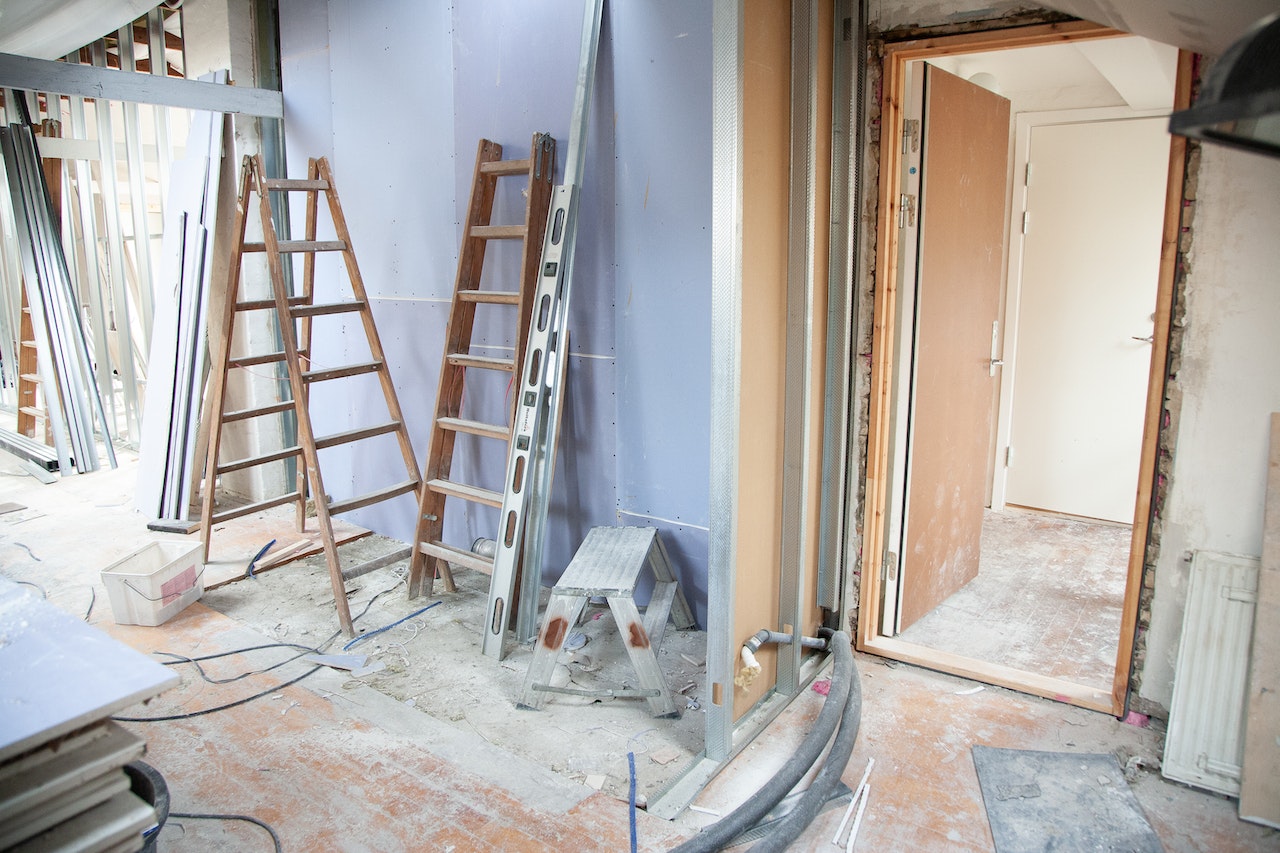
When you first walk through a potential flip, it is easy to get distracted by cosmetic issues. Ugly paint colours, worn-out carpets, and dated kitchen cabinets are simple and relatively inexpensive to fix. These are the exact problems you want to find. Your focus, however, should be on the home’s core structure and major systems. These are the elements that can quickly drain your budget and destroy your profit margin. A thorough inspection of the property’s “bones” is non-negotiable before you make an offer.
You should hire a professional home inspector for an expert opinion. An inspector provides a detailed report that you can use to refine your renovation budget. They check critical components of the house that an untrained eye might miss. Pay close attention to these key areas:
-
The Foundation
Look for large cracks in the concrete, walls that bow inward, or signs of water damage in the basement. Foundation repairs are extremely expensive.
-
The Roof
A roof’s lifespan is typically 15-25 years. Note the condition of the shingles. Look for curling, missing shingles, and signs of water stains on the ceilings inside.
-
Electrical and Plumbing
Identify the type of systems in place. Old knob-and-tube wiring or galvanized steel plumbing often require complete replacement, which is a major expense.
-
HVAC System
Check the age and service records for the furnace and air conditioner. Replacing these units can cost thousands of dollars.
Designing for Modern Buyers
A property’s layout significantly impacts its appeal and final value. A dysfunctional floor plan can deter buyers, even if the finishes are beautiful. Today’s buyers generally prefer open-concept living areas. They want a seamless flow between the kitchen, dining room, and living room. A functional kitchen with ample counter space, a pantry, and modern appliances is a major selling point. Other desirable features include a main-floor powder room, a master bedroom with an ensuite bathroom, and generous closet space.
When you evaluate a property, analyze its current layout. Identify any major flaws, such as a small, closed-off kitchen or a poorly placed bathroom. Then, determine the feasibility of fixing these issues. Can you remove a wall to create an open living space? First, you must confirm if the wall is load-bearing. Removing a structural wall is a complex and costly job that requires an engineer and permits. Is there a logical place to add a new bathroom? Consider the cost of running new plumbing and electrical lines to that location. Minor layout changes can add huge value, but major structural alterations can quickly escalate your budget.
Checking Permits and Regulations
Your due diligence process must include a thorough review of the property’s legal standing. Overlooking this step can lead to costly fines and work orders from your municipality. First, verify the property’s zoning classification. This dictates how you can use the property. If you plan to add a basement apartment to increase value, you must ensure the zoning permits secondary suites. You can find this information on your local city or town’s website or by contacting the planning department.
Next, investigate the property’s permit history. Ask the sellers if previous renovations, like a finished basement or a deck, were completed with the required building permits. Unpermitted work is a serious issue. A building inspector may force you to expose the work for inspection or even tear it out and rebuild it to current code. Your lawyer will also conduct a title search. This search confirms that the current owner has the right to sell the property and reveals any liens or legal claims against it. Understanding these legal details protects your investment and ensures a smooth project from start to finish.
Finding the “Ugliest House on the Best Street”
A classic and effective strategy for flipping is to target the “ugliest house on the best street.” This approach combines the most important factors for success. You start with a property in a highly desirable neighbourhood, which secures a strong After Repair Value. The house itself is cosmetically challenged but structurally sound. This combination presents the perfect opportunity to add value through renovations without breaking the bank on major structural repairs. Buyers are often willing to pay a premium for a fully updated home in a great location.
These properties require vision. You must look past the peeling paint, overgrown yard, and dated fixtures. Focus on the potential. The most profitable renovations often involve cosmetic updates that create a big visual impact. This includes a full interior and exterior paint job in modern, neutral colours. It involves replacing old flooring with durable and attractive materials like laminate or vinyl plank. Updating light fixtures, kitchen hardware, and bathroom vanities also provides a high return. These changes transform the property and appeal directly to modern buyers, allowing you to maximize your profit margin.
Your Blueprint for a Profitable Flip
Evaluating potential properties for a successful flip is a detailed, multi-step process. It requires a disciplined approach that balances excitement with careful analysis. Your journey begins with the location. A great neighbourhood provides the foundation for your investment’s value. From there, you must meticulously calculate your numbers. A comprehensive budget that accounts for all possible expenses, including a contingency fund, is your most important financial tool. This protects your profit and prepares you for the unexpected challenges that every renovation project presents.
Next, you must dive deep into the property’s physical condition. Look beyond the surface to assess the critical systems that form the home’s core. Partner this with an analysis of the layout to ensure the final product will meet the demands of today’s buyers. Finally, complete your legal due diligence to avoid any costly surprises down the road. Flipping houses is a business. By following this structured evaluation process, you move from speculating to strategizing. Building a reliable team, including an experienced real estate agent, is your next step. We can help you find and assess your next project to ensure it aligns with your financial goals.