

Question: What Is a Damage Deposit in Ontario?
Answer: A damage deposit in Ontario is for residential tenancies, it is illegal for landlords to collect a damage deposit. Landlords are only permitted to collect a rent deposit for the last month’s rent and a separate, refundable deposit for keys, neither of which can cover damages.
Deposits for Your Rental Property
Many renters and new landlords often ask what is a damage deposit in Ontario? This question comes from a common practice in other places. However, the rules here are very different. People often confuse a damage deposit with a rent deposit. These two concepts are entirely separate under our provincial laws. A landlord cannot legally ask for a deposit to cover potential damages to a rental unit. This rule protects tenants from unfair charges at the end of their tenancy. Instead, the system allows for a different kind of deposit with a specific purpose.
This post clarifies the types of deposits a landlord can request. We will explore the last month’s rent deposit. We will also look at other permitted charges like key deposits. Understanding these rules helps both tenants and landlords. It creates a fair and transparent rental experience. A clear understanding of the law prevents disputes. It also ensures everyone knows their rights and responsibilities from the very beginning of a lease agreement. This knowledge is key to a smooth and successful tenancy.
Understanding the Rent Deposit
In our province, the only security deposit a landlord can legally collect is a rent deposit. This deposit is often called the last month’s rent deposit. Its purpose is very specific. The landlord holds this money to cover the rent for the final month of the tenancy. The law is clear on the maximum amount a landlord can ask for. The deposit cannot be more than one month’s rent. If your monthly rent is $2,000, the rent deposit cannot exceed $2,000. A landlord cannot ask for more, even if you have pets.
The landlord collects this deposit when you sign the lease agreement. The landlord must also pay you interest on this deposit each year. The interest rate is the same as the guideline for rent increases for that year. The landlord can pay this interest to you directly in cash. Alternatively, they can use it to top up the deposit as the rent increases over time. This ensures the deposit always matches the current last month’s rent. This deposit does not cover damages. A landlord cannot use it to pay for repairs after you move out.
Follow this link for more information about Orangeville real estate
Related Article: What Do I Do If the Landlord Does Not Return the Deposit?
Related Article: What Credit Score Is Needed to Rent an Apartment in Ontario?
What Landlords Can Legally Ask For
While damage deposits are illegal, landlords can ask for a few specific refundable deposits. The most common one is a key deposit. A landlord can charge a deposit for keys, key fobs, or other entry devices. This is not a damage deposit. It is a security measure to ensure the return of these important items. The law states that the amount of the key deposit must be reasonable. It should only cover the actual cost of replacing the keys or fobs if you do not return them at the end of your tenancy.
For example, a landlord cannot charge $200 for a standard metal key that costs $5 to replace. The deposit must align with the real replacement cost. Once you return the keys at the end of your lease, the landlord must refund the deposit in full. This rule ensures fairness. It allows landlords to protect their property’s security without placing an undue financial burden on tenants. Always get a receipt that clearly states the payment is a refundable key deposit.
-
Last Month’s Rent Deposit
This is the primary deposit a landlord can collect. It must be equal to or less than one month’s rent. The landlord uses it to cover the final month’s rent payment.
-
Key Deposit
A landlord can charge a refundable deposit for keys, cards, or fobs. The amount must equal the direct cost of replacing these items. The landlord returns it when the tenant returns the keys.
-
No Other Deposits
Any other type of deposit, including those for pets, cleaning, or general damages, is not permitted under the law. A tenant can apply to the Landlord and Tenant Board to have an illegal deposit returned.
Handling Property Damage Without a Deposit
So, what happens if a tenant causes damage beyond normal wear and tear? Since a landlord cannot use a damage deposit, they must follow a specific legal process. The landlord cannot unilaterally decide to use the last month’s rent deposit for repairs. That deposit is strictly for rent. The first step is always communication. The landlord should talk to the tenant about the damage. They can discuss repair options and costs. Often, both parties can reach a mutual agreement to resolve the issue without further action.
If they cannot agree, the landlord’s next step is to file an application with the Landlord and Tenant Board. The landlord must provide evidence of the damage. This can include photos, videos, receipts for repairs, or witness testimony. The Board will schedule a hearing where both the landlord and the tenant can present their cases. An adjudicator will then make a legally binding decision. The Board may order the tenant to pay for the repairs. This formal process ensures that claims are legitimate and resolutions are fair for everyone involved.
Your Role in Maintaining the Property
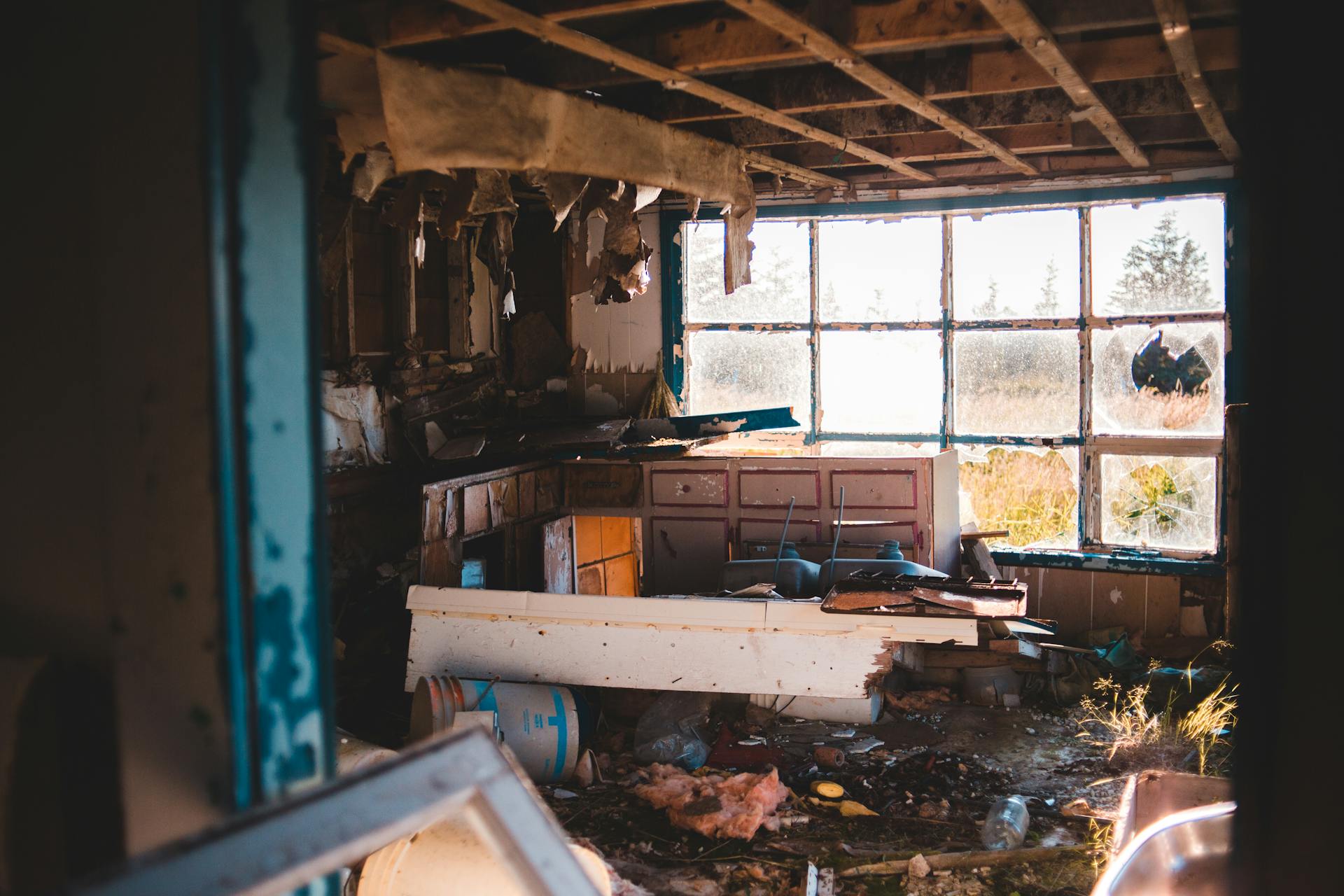
As a tenant, you have a responsibility to care for your rental unit. The law requires you to keep the property reasonably clean. You must also repair any damage you or your guests cause. This does not include “ordinary wear and tear.” Wear and tear refers to the natural deterioration that happens over time from normal use. For example, minor scuffs on the walls or faded paint are usually considered wear and tear. A large hole in the wall or a broken window, however, is considered undue damage.
To protect yourself from disputes, document the property’s condition when you move in. Before you unpack your boxes, walk through the entire unit with your landlord. Take detailed photos and videos of every room. Pay close attention to any existing issues, like scratches, stains, or broken fixtures. You can create a checklist and have both you and your landlord sign it. This move-in inspection report creates a clear record. It serves as powerful evidence if a disagreement about damages arises when you decide to move out.
Deposits and Damage
Landlords must strictly follow the rules set out in the Residential Tenancies Act. Collecting an illegal deposit, such as one for damages, can lead to serious consequences. A tenant who pays an illegal deposit can file an application with the Landlord and Tenant Board. The Board can order the landlord to return the money immediately. This creates a negative and distrustful relationship from the start. It is much better to begin the tenancy on the right legal footing. Adhering to the law protects your investment and your reputation.
Remember to pay annual interest on the last month’s rent deposit. This is a legal requirement. When actual damage occurs, follow the correct procedure. Document the damage thoroughly and communicate with your tenant first. If you cannot find a solution together, use the Landlord and Tenant Board as intended. This system is in place to provide a fair and unbiased way to resolve conflicts. By understanding and following these rules, you can manage your property effectively while maintaining a professional and lawful relationship with your tenants.
Conclusion: Fostering a Fair Rental Market
Understanding the rules around rental deposits is important for a healthy landlord-tenant relationship. The law makes a clear distinction. A last month’s rent deposit is legal and has a defined purpose. A damage deposit is not permitted. This regulation protects tenants from potentially unfair financial claims. It also provides landlords with a clear, legal path to address legitimate property damage through the Landlord and Tenant Board. This structure creates a balanced and predictable rental environment for everyone involved.
For tenants, this knowledge empowers you to know your rights. You can confidently enter a lease knowing what payments are legal. For landlords, it underscores the importance of following the law to protect your business. Proactive steps, like detailed move-in inspections, build trust and prevent future conflicts. Clear communication is the foundation of any successful tenancy. When both parties understand their roles and responsibilities, the rental experience becomes smoother and more positive. Navigating the rental market is easier with the right information.


