Home Energy Efficiency

Energy efficiency directly impacts your home's operating costs and overall comfort. In Ontario, heating and cooling account for the largest portion of residential energy use. Improving your home’s thermal envelope—the barrier between conditioned air and the outdoors—reduces energy waste and lowers monthly utility bills.

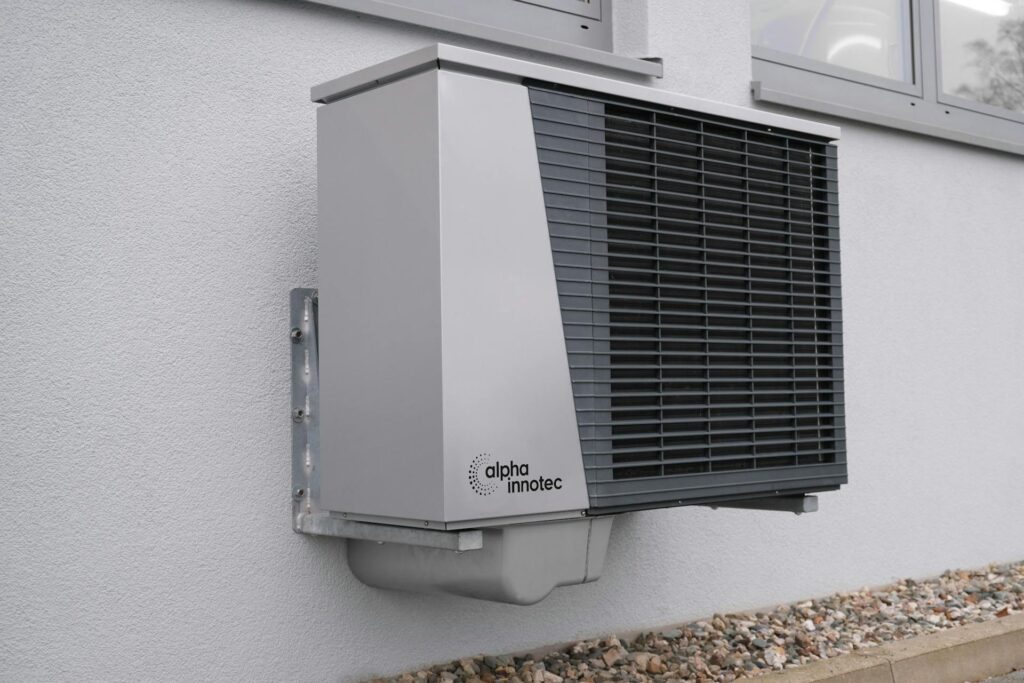
Modernize your heating system to see the most significant gains. Many Ontario homeowners are switching to cold-climate air source heat pumps. These systems provide both heating and cooling by moving heat rather than burning fuel. For homes with existing natural gas, a hybrid system combines a heat pump with a high-efficiency gas furnace for extreme cold days. If you use electric baseboards, a ductless mini-split system offers a much more efficient alternative.

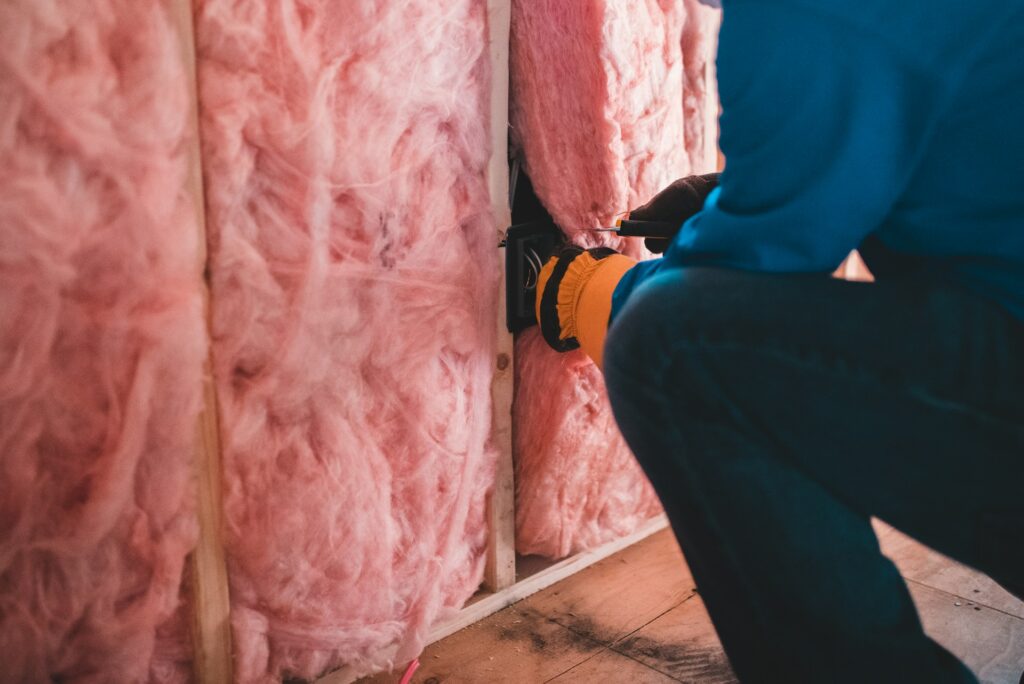
Insulation and air sealing represent the next level of efficiency. Inspect your attic and basement for gaps where air escapes. Adding high-R-value insulation prevents heat loss in the winter and keeps your home cooler in the summer. Upgrading to Energy Star certified windows and doors further eliminates drafts and improves soundproofing.

Ontario currently offers several incentives to help with these costs. The Home Renovation Savings Program, active through November 2026, provides rebates for heat pumps, insulation, and smart thermostats. While some upgrades require a professional energy assessment to unlock higher rebate tiers, others allow for direct installation. For homeowners planning to sell, an energy-efficient home often attracts more buyers and may command a higher price. Buyers increasingly view low utility costs as a key feature when comparing properties. Regular maintenance of your HVAC system and sealing window leaks ensure your home remains efficient year-round.

Read Our Articles on Home Energy Efficiency

What is the Most Energy-Efficient Home Insulation?

What is the Most Energy-Efficient Home Insulation?

Question: What is the Most Energy-Efficient Home Insulation? Answer: The most energy-efficient insulation types are typically spray foam, specifically closed-cell, and rigid foam boards due to their high R-values. However, the best choice depends on climate, application area, and budget. Maximizing Energy Efficiency: A Guide to Home Insulation What is the most energy-efficient home insulation? […]
What Should I Turn Off to Save Electricity?

What Should I Turn Off to Save Electricity?

Question: What Should I Turn Off to Save Electricity? Answer: What you should turn off to save electricity includes lights when leaving a room, electronics not in use (TVs, computers), and appliances on standby mode. Unplug chargers when not charging devices. Lower Your Energy Bills: A Guide to Reducing Electricity Consumption Electricity costs are a […]
Is It Cheaper to Run Space Heaters Or Central Heat?

Is It Cheaper to Run Space Heaters Or Central Heat?

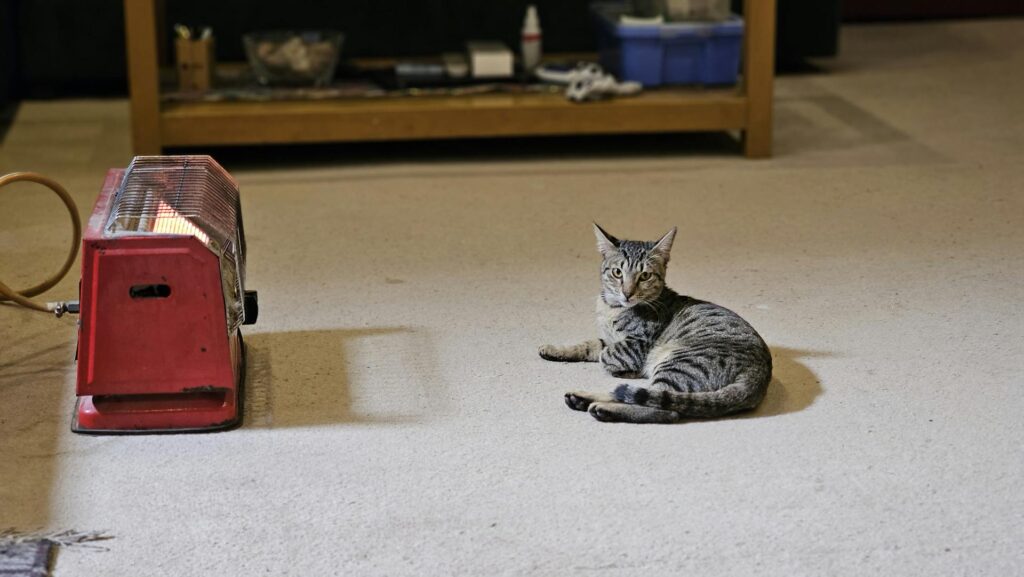
Question: Is It Cheaper to Run Space Heaters Or Central Heat? Answer: It is cheaper to run central heating over space heaters. While space heaters are less expensive upfront, they are less efficient at heating large areas, leading to higher energy costs over time. Heating Your Home Efficiently: Space Heaters vs. Central Heating Many homeowners […]
Which Energy System is the Most Efficient?

Which Energy System is the Most Efficient?

Question: Which Home Energy System is the Most Efficient? Answer: For home energy, the most efficient system depends on your specific needs and context. Heat pumps generally offer the highest efficiency for heating and cooling, often exceeding 300% efficiency. Solar photovoltaic (PV) systems, combined with battery storage, can also achieve high efficiency in generating and […]
Does Leaving a Plug in a Socket Use Electricity?

Does Leaving a Plug in a Socket Use Electricity?

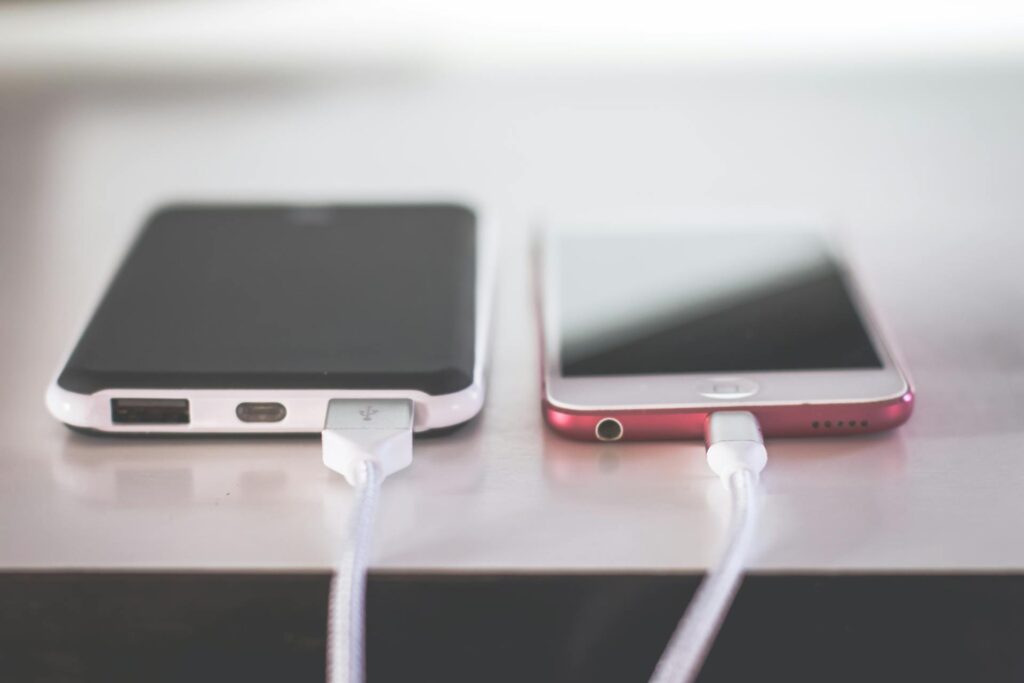
Question: Does Leaving a Plug in a Socket Use Electricity? Answer: Leaving a plug in a socket generally uses a negligible amount of electricity unless the device is turned on or features “phantom load” capabilities. Most modern devices don’t consume significant power when off. Phantom Power: Understanding Energy Consumption in Your Home Does leaving a […]
What is the Cheapest Way to Power a House?

What is the Cheapest Way to Power a House?

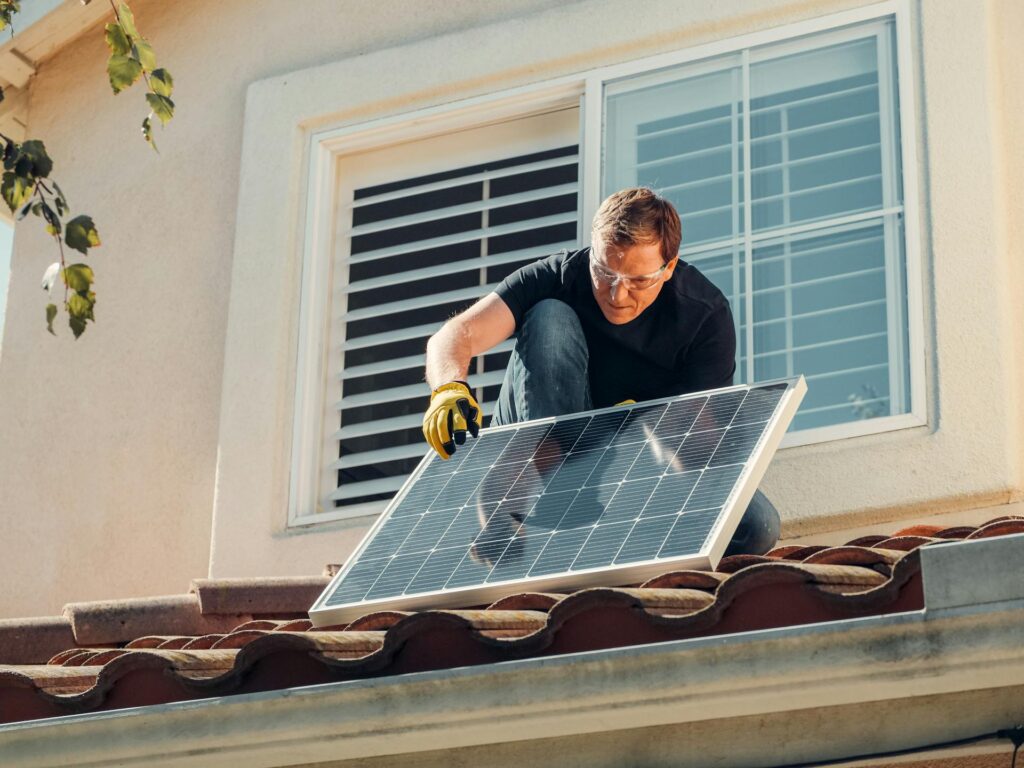
Question: What is the Cheapest Way to Power a House? Answer: The cheapest way to power a house is typically through a combination of energy efficiency measures and solar power. Reducing energy consumption lowers your power needs, while solar can provide free electricity. Lowering Your Home Energy Costs: A Guide to Affordable Power What is […]
How to Make Your Home More Energy-Efficient in Canada?

How to Make Your Home More Energy-Efficient in Canada?

Question: How to Make Your Home More Energy-Efficient in Canada? Answer: To make your home more energy-efficient in Canada improve insulation, upgrade windows and doors, switch to LED lighting, use energy-efficient appliances, and consider renewable energy sources. Boost Your Home’s Energy Efficiency Creating an energy-efficient home offers significant advantages, from lowering utility bills to reducing […]
Does Unplugging Appliances Save Electricity?

Does Unplugging Appliances Save Electricity?

Question: Does Unplugging Appliances Save Electricity? Answer: Yes, unplugging appliances saves electricity. Many electronics draw power even when off, known as “phantom load.” Unplugging eliminates this energy drain, lowering your bill. Phantom Power Drain: Understanding Energy Consumption Does unplugging appliances save electricity? The short answer is yes, but the long answer is more nuanced. Many […]