Home Air Quality

Healthy indoor air is essential for a safe home environment. In Ontario, air quality impacts both your health and your property value. Common pollutants include dust, pet dander, and volatile organic compounds (VOCs) from paints or cleaning products. Since we spend much of our time indoors, especially during winter, managing these contaminants is a priority for every homeowner.

Ventilation serves as your primary defense against poor air quality. The Ontario Building Code sets specific standards for mechanical ventilation in residential buildings. Most modern homes use Heat Recovery Ventilators (HRVs) or Energy Recovery Ventilators (ERVs) to exchange stale indoor air with fresh outdoor air while preserving energy. You should also use exhaust fans in kitchens and bathrooms to remove moisture and cooking fumes directly at the source.

Radon gas represents a significant concern in many parts of Ontario. This invisible, odourless gas enters homes through foundation cracks and poses long-term health risks. Testing is the only way to detect its presence. If your home has high radon levels, you can install a mitigation system to vent the gas safely outside.

Property sellers have legal obligations regarding air quality. Under the Trust in Real Estate Services Act (TRESA), you must disclose material latent defects. This includes known issues like active mould or the presence of asbestos that could make a home unsafe. Addressing these issues before listing your home prevents legal disputes and ensures a smoother transaction. Regular maintenance, such as changing furnace filters every three months and scheduling annual HVAC inspections, keeps your air clean and your systems efficient.


Read Our Articles on Home Air Quality

Where to Place an Air Quality Monitor?

Where to Place an Air Quality Monitor?

Question: Where to Place an Air Quality Monitor? Answer: You should place an air quality monitor in a representative location, away from direct airflow, heat sources, and at breathing height (roughly 1.5 meters). Avoid placing it near windows or doors. Understanding Indoor Air Quality Maintaining a healthy indoor environment is paramount for the well-being of […]
What are the Disadvantages of Air Quality Sensors?

What are the Disadvantages of Air Quality Sensors?

Question: What are the Disadvantages of Air Quality Sensors? Answer: Disadvantages of air quality sensors include inaccuracy due to sensor drift and cross-sensitivity, limited lifespan, high initial cost for precise sensors, and potential for false readings from environmental factors. Understanding Air Quality Monitoring Before diving into the drawbacks of air quality sensors, it’s crucial to […]
Do Air Purifiers Get Rid of Dust?

Do Air Purifiers Get Rid of Dust?

Question: Do Air Purifiers Get Rid of Dust? Answer: Yes, many air purifiers effectively get rid of dust from the air. They use filters to trap dust, improving indoor air quality. The effectiveness depends on the purifier’s type and filter. Understanding Indoor Air Quality Maintaining a healthy home environment is paramount for well-being. Indoor air […]
How Do I Detox the Air in My House?

How Do I Detox the Air in My House?

Question: How Do I Detox the Air in My House? Answer: To detox the air in your house improve ventilation, use air purifiers with HEPA filters, remove sources of indoor pollutants (e.g., mold, cleaning products), and consider houseplants for natural air purification. Improving Your Indoor Air Quality The air we breathe indoors significantly impacts our […]
Are Home Air Quality Monitors Worth it?

Are Home Air Quality Monitors Worth it?

Question: Are Home Air Quality Monitors Worth it? Answer: Whether home air quality monitors are worth it depends on several factors. If you have allergies, asthma, or concerns about VOCs, or live in a polluted area, the peace of mind and data-driven improvements they offer make them worthwhile. Otherwise, they might be unnecessary. Improving Your […]
How to Test Home Air For Mold?

How to Test Home Air For Mold?

Question: How to Test Home Air For Mold? Answer: To test home air for mold use professional air quality testing as it provides the most accurate results. DIY kits offer a less precise, but more affordable, option for detecting mold spores. Both methods involve collecting samples and analyzing them for mold presence. Understanding Mold and […]
Do Air Purifiers Improve Air Quality?

Do Air Purifiers Improve Air Quality?

Question: Do Air Purifiers Improve Air Quality? Answer: Yes, air purifiers improve air quality by filtering out pollutants like dust, pollen, and pet dander, improving indoor air quality. Effectiveness depends on the purifier’s type, filter, and room size. Breathing Easy: Understanding Indoor Air Quality The air we breathe significantly impacts our health and well-being. While […]
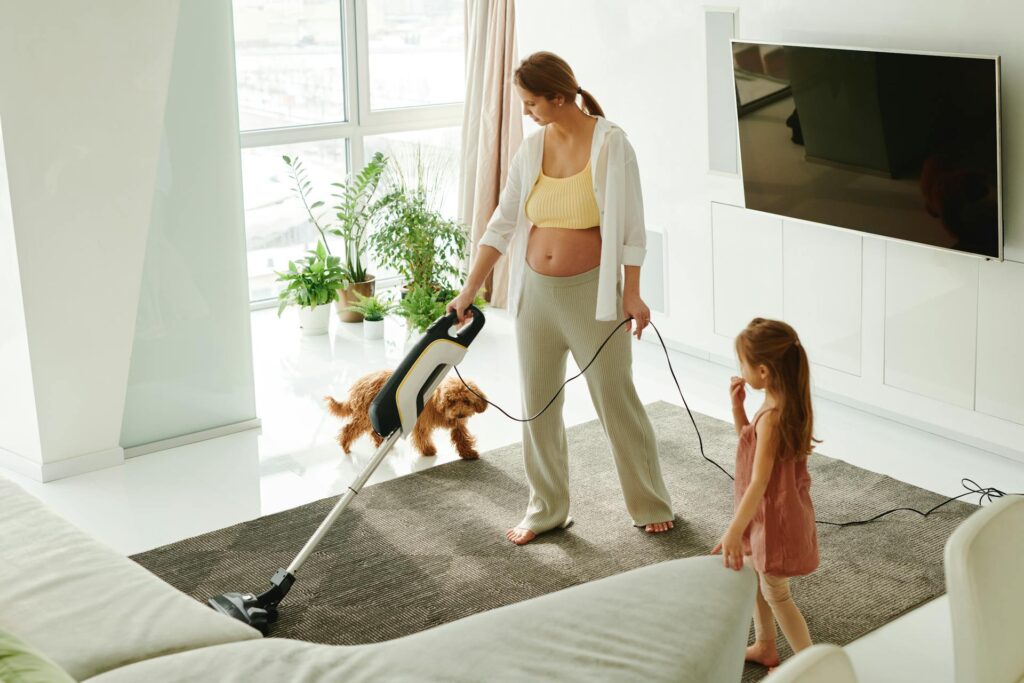
Does Vacuuming Improve Air Quality?

Does Vacuuming Improve Air Quality?

Question: Does Vacuuming Improve Air Quality? Answer: When it comes to vacuuming improving air quality it depends. Vacuuming removes dust, pet dander, and other allergens improving air quality *in the space being vacuumed*. However, older vacuums can re-emit some particles. Maintaining a Healthy Home Environment A clean home contributes significantly to a healthy living environment. […]