
Jennifer Jewell – Selling Real Estate in Orangeville, Mono, Shelburne, Caledon, Alliston and area
Real Estate Serving Orangeville, Caledon, Mono, Alliston, Shelburne, Mulmur, Dundalk, Amaranth, What's my house worth evaluation
Jennifer Jewell – Selling Real Estate in Orangeville, Mono, Shelburne, Caledon, Alliston and area
Real Estate Serving Orangeville, Caledon, Mono, Alliston, Shelburne, Mulmur, Dundalk, Amaranth, What's my house worth evaluation
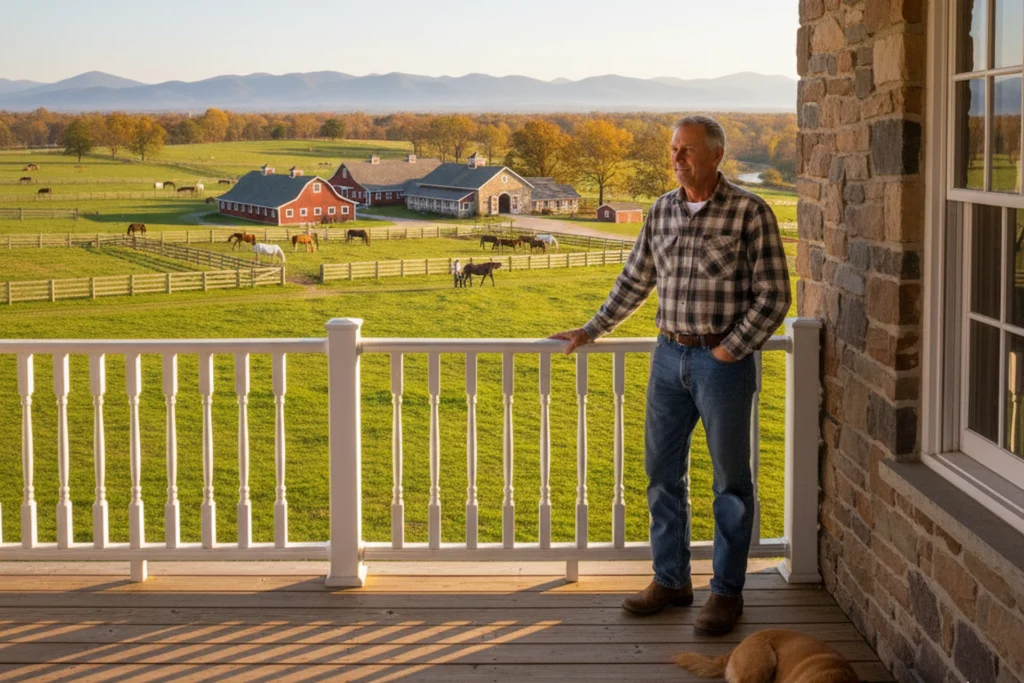
Equestrian properties in Dufferin and Peel regions provide the infrastructure necessary for serious riders and hobby farmers. Caledon and the surrounding areas of Orangeville and Shelburne are known as Ontario’s horse country. These communities offer expansive acreage, rolling hills, and proximity to major venues like the Caledon Equestrian Park.
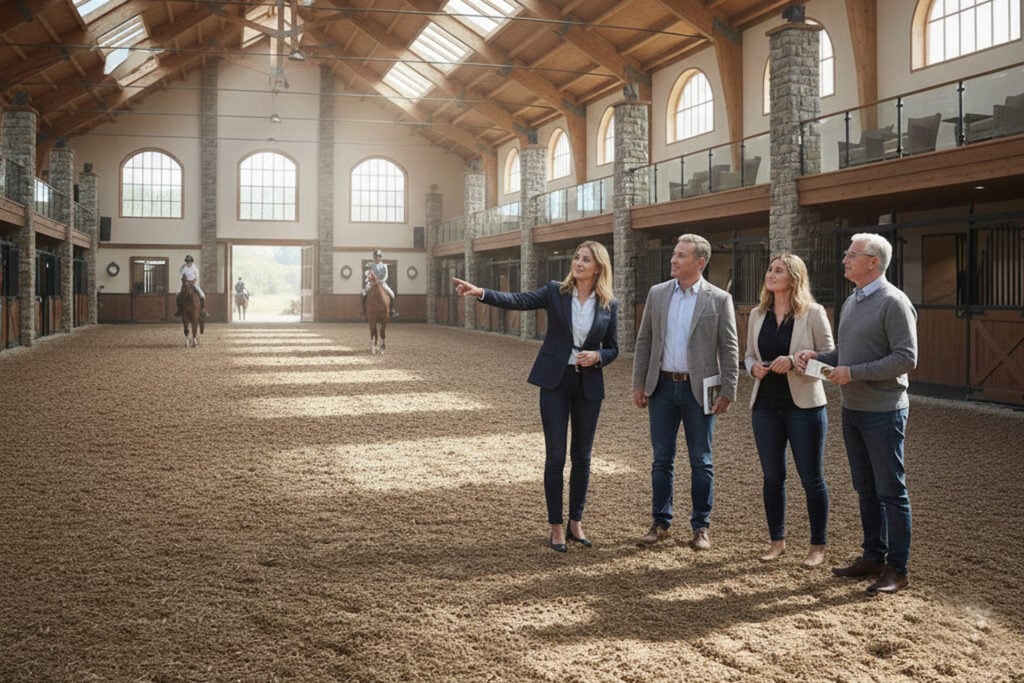
A functional horse farm requires more than just land. High-quality listings often feature multi-stall barns, heated tack rooms, and indoor arenas for year-round training. Outdoor amenities typically include sand rings, grass derby fields, and well-maintained paddocks with oak board fencing. When evaluating these properties, you must consider the layout of the barn and its relationship to the paddocks to ensure efficient daily operations.
Zoning and land use regulations play a vital role in equestrian real estate. Municipalities like Caledon and Shelburne enforce specific bylaws regarding the number of horses permitted per acre. You must also comply with Minimum Distance Separation (MDS) formulae, which govern the distance between livestock facilities and neighbouring residences. I help you verify these details and ensure the property has reliable water sources for both the house and the stable.
Soil quality and drainage also impact the value of equestrian land. Good drainage prevents mud in high-traffic areas and maintains the integrity of outdoor riding surfaces. Many properties in this region also offer access to local trail networks, providing miles of hacking through scenic forests.
I assist you in finding properties that accommodate your specific discipline, whether you focus on hunter-jumpers, dressage, or pleasure riding. We review the condition of existing structures and identify potential building sites for new homes or facilities. Browse the current equestrian listings to find a farm that supports your passion and your lifestyle.




Jennifer Jewell, a licensed real estate
representative serving Caledon, Orangeville,
Amaranth, Alliston, Dundalk, Erin, Grand Valley,
Honeywood, Mansfield, Melancthon, Mono,
Mulmur, New Tecumseth and Shelburne.
Information provided for general purposes only and should not be relied upon as a substitute for professional advice.


Your information is being processed.
