
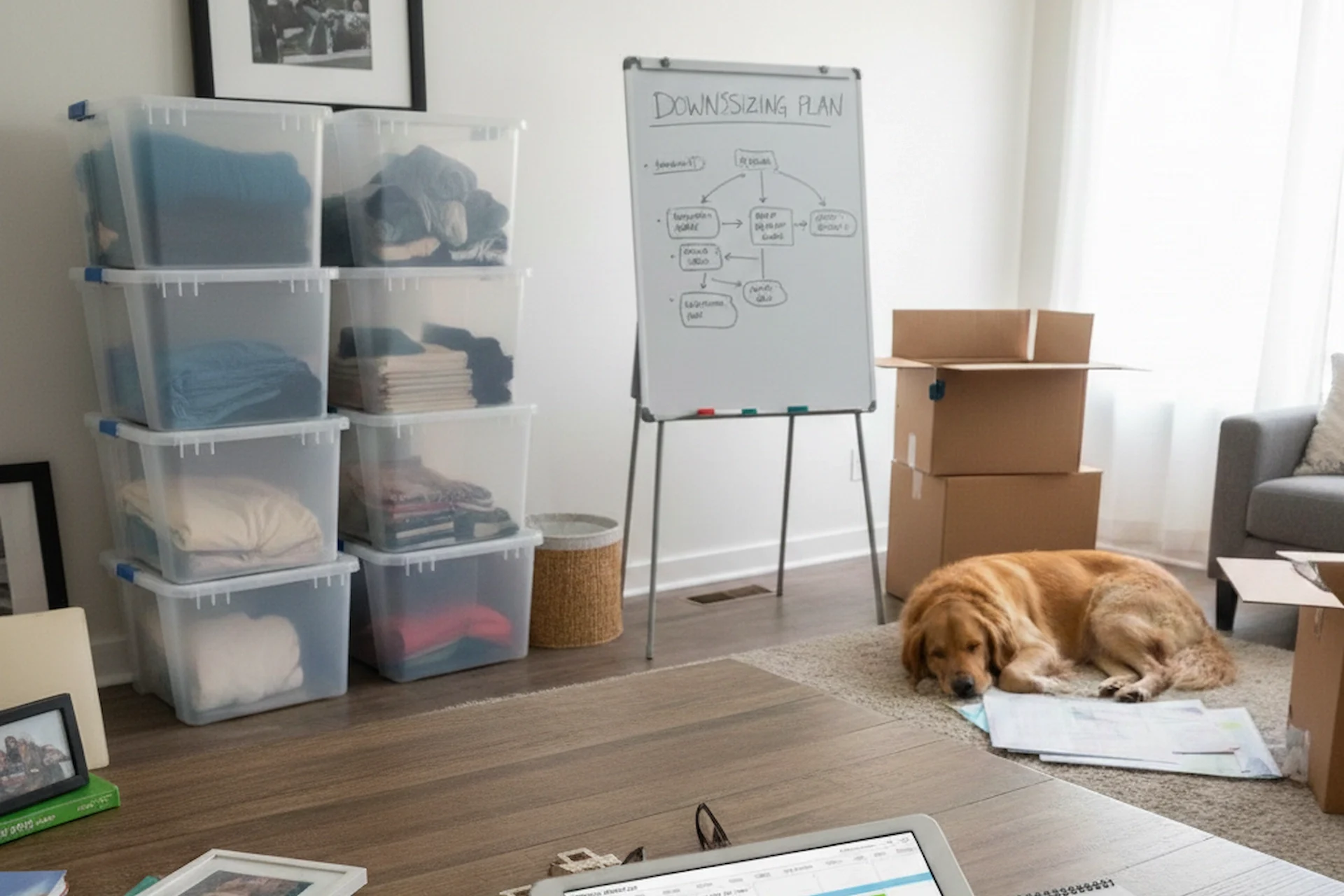

Question: How Do You Create a Downsizing Timeline?
Answer: To create a downsizing timeline, start 3-6 months in advance by sorting possessions and decluttering. Next, prepare and list your property. Concurrently, search for your new home. Finally, schedule packers and movers, and manage legal paperwork with your lawyer for a smooth closing on both properties.
Creating Your Personal Downsizing Plan
Downsizing your home marks a significant life transition. It often means moving to a smaller, more manageable space that better suits your current lifestyle. Many people choose this path to free up finances, reduce home maintenance, or live closer to family. The process involves many steps, from sorting through decades of possessions to navigating the real estate market. Understanding how do you create a downsizing timeline is the first step toward a smooth and successful move. A clear plan breaks the entire process into smaller, actionable tasks. This approach prevents overwhelm and keeps you in control.
A well-structured timeline acts as your roadmap. It helps you anticipate what needs to be done and when. You can allocate sufficient time for each stage, from decluttering your current home to finding the perfect new one. This planning ensures you do not feel rushed into making important decisions about your property or your future. It gives you space to handle both the practical logistics and the emotional aspects of leaving a home filled with memories. Ultimately, a timeline transforms a large project into a series of achievable goals, leading you confidently into the next chapter of your life.
Defining Your Downsizing Goals
The first stage of your timeline begins with clear intention. Before you pack a single box, you must define what you want to achieve. Ask yourself why you are downsizing. Are your goals primarily financial? Perhaps you want to unlock the equity in your current home to fund your retirement or travel. Or maybe your goals are lifestyle-driven. You might desire less yard work, fewer stairs, or a home in a walkable neighbourhood with amenities nearby. Creating a clear picture of your ideal future helps guide every decision you will make.
Translate these goals into a concrete list of needs for your next home. Separate this list into two categories: “must-haves” and “nice-to-haves”. A must-have could be a main-floor primary bedroom, while a nice-to-have might be a specific countertop material. This exercise focuses your property search and prevents you from getting sidetracked. During this phase, you should also consult a financial advisor. They can help you understand your budget, potential profits from your sale, and any tax implications. This financial clarity provides a solid foundation for your entire downsizing journey.
Click the link to find out more about how a real estate agent can help you downsize
Related Article: Should You Rent or Buy After Downsizing Your Home?
Related Article: How Much Can You Save on Utilities by Downsizing?
Engaging Professionals and Starting the Search
About one to three months before your planned move, you should assemble your professional team. A successful downsize depends on having the right experts in your corner. Start by researching and interviewing real estate agents. Look for someone with proven experience helping downsizers, as they understand the unique emotional and logistical needs of this type of move. You will also need a real estate lawyer to handle the legal paperwork for both selling and buying. Finally, get quotes from several reputable moving companies to secure your preferred date and price.
With your agent’s help, you can now begin the active search for your new home. Your list of must-haves will guide your viewings. Visiting properties helps you get a feel for different layouts, sizes, and neighbourhoods. This is the time to refine what you truly want and need. While you search, your agent will work on getting your current home ready for the market. This includes professional photography, creating marketing materials, and developing a pricing strategy. Proper preparation ensures your home is presented in its best light when it officially goes up for sale.
Coordinating Logistics and Final Preparations
The final month before your move is all about logistics. This is when all your planning comes together. Your focus shifts to the concrete tasks that ensure a smooth transition from one home to the next. You should create a detailed checklist to stay organized during this busy period. This list keeps track of all the small but crucial details. Good organization now will prevent last-minute stress and forgotten tasks. Your goal is to methodically work through your list, checking off items as you complete them.
Your checklist should include several key actions:
Confirm Your Movers
Call the moving company to confirm the date, time, and details of your move. Ensure you understand their policies and insurance coverage.Pack Strategically
Begin packing non-essential items first. Clearly label every box with its contents and the room it belongs to in the new home. This makes unpacking much easier.Arrange Utility Transfers
Contact your utility providers to schedule the disconnection of services at your old home and the connection at your new one. This includes electricity, gas, water, and internet.Update Your Address
File a change of address with the post office. You must also update your address with banks, credit card companies, subscription services, and government agencies.
Executing the Move and Embracing Your New Space
Moving week is the culmination of your efforts. With a solid plan in place, you can manage this final stage with confidence. A few days before the move, pack an “essentials box” for each member of the family. This box should contain everything you will need for the first 24 hours in your new home. Items might include toiletries, medications, a change of clothes, phone chargers, basic tools, and some snacks. This simple step saves you from rummaging through dozens of boxes to find a toothbrush.
On moving day, your main role is to supervise. Be present to answer any questions the movers have and direct them on where to place furniture and boxes in your new home. Before you leave your old property for the last time, do a final walkthrough. Check that all cupboards and closets are empty and the home is in the agreed-upon condition for the new owners. Once you arrive at your new home, focus on setting up the essentials first. Assembling the beds and unpacking the kitchen and bathroom boxes will help you feel settled and comfortable much faster. Take your time with the rest; you have successfully managed the move.
Conclusion
Creating a downsizing timeline provides the structure you need for a major life change. It breaks a large project into a logical sequence of steps, from setting initial goals to unpacking the last box. Following this timeline helps you stay organized, manage your time effectively, and reduce the stress often associated with moving. Each completed stage, from decluttering your home to hiring your professional team, builds momentum and brings you closer to your new life. You maintain control over the process, allowing you to make thoughtful decisions at every turn.
Downsizing is more than just a move to a smaller property. It is an opportunity to redesign your lifestyle to match your current priorities. It offers a chance for greater financial freedom, less maintenance, and more time for the activities you enjoy. With a clear plan, you can navigate this transition smoothly and with excitement for what lies ahead. You are not just closing a door on one chapter; you are intentionally opening a new one. This journey, when planned well, is a positive and rewarding experience that sets the stage for a fulfilling future.