
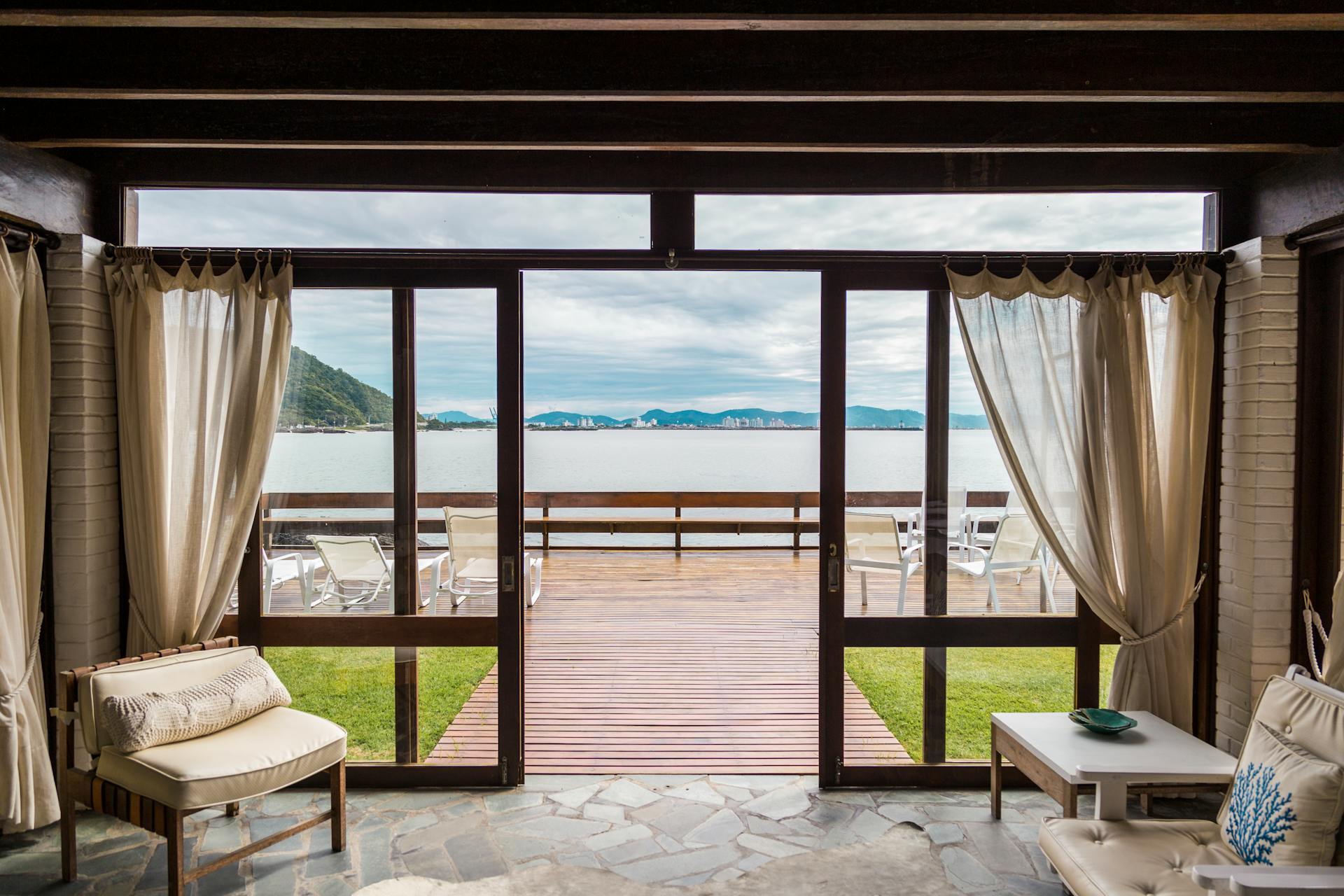

Question: How Do Waterfront Properties Differ From Inland Luxury Estates?
Answer: Waterfront properties differ from inland luxury estates in that they feature direct water access and premium views but also face specific shoreline regulations from conservation authorities, higher insurance costs, and increased maintenance. Inland luxury estates often provide more private acreage and architectural freedom for the price, without the complexities of riparian rights and shoreline upkeep.
The Distinctions Between Waterfront and Inland Luxury Homes
Choosing a luxury property involves many personal decisions. Buyers often face a choice between two distinct types of estates. They can select a home on the water or a home situated inland. Each option offers a unique lifestyle, investment profile, and set of responsibilities. A waterfront home provides direct access to lakes or rivers, creating a life centred around water activities. An inland estate offers privacy, space, and a deep connection to the land itself.
The atmosphere of a lakeside cottage is vastly different from that of a sprawling country manor. Financial considerations also vary greatly. Market demand, maintenance costs, and insurance premiums are unique to each property type. Regulations governing construction and land use add another layer of complexity. We will detail the key distinctions to help you determine which style of luxury living aligns with your vision.
Lifestyle: Views, Access, and Seclusion
The lifestyle offered by a property is perhaps the most significant differentiator. Waterfront homes are defined by their relationship with the water. Your daily rhythm can sync with the lake. You might start your day with a paddle on calm morning waters and end it watching the sunset over the horizon. The property becomes a hub for recreation. Boating, fishing, swimming, and water sports are just steps from your door. The social fabric of waterfront communities often revolves around the lake, with neighbours connecting on their boats or at local marinas.
Inland luxury estates offer a different kind of lifestyle, one rooted in privacy and space. These properties often feature vast acreages of manicured lawns, private forests, or rolling hills. The focus is on seclusion and creating a personal sanctuary. You can enjoy long walks on your own trails, tend to elaborate gardens, or host large events without seeing a neighbour. The atmosphere is one of quiet control and solitude. While a waterfront home embraces an active, outward-facing life, an inland estate provides an exclusive, inward-facing retreat from the world.
Click the link for more information on a professional luxury realtor
Related Article: Why Is Proximity to Private Schools a Luxury Driver?
Related Article: What Are the Tax Implications of Buying a Luxury Home?
Building and Upkeep: Unique Challenges
Ownership of a luxury property comes with maintenance responsibilities, which vary significantly between waterfront and inland locations. A waterfront home requires constant attention to the elements. The proximity to water means dealing with higher humidity, which can affect building materials. Owners must manage potential shoreline erosion and maintain structures like docks, lifts, and boathouses. These structures face wear from ice, waves, and weather. Insurance costs are typically higher for waterfront properties due to the increased risks of flooding and weather-related damage. Proper septic system maintenance is also critical to protect the water quality.
Inland estates present a different set of maintenance tasks. The primary focus is land management. This can include extensive landscaping, lawn care, and forest management across many acres. Outbuildings such as guest houses, barns, or workshops require their own upkeep. Maintaining long driveways, private roads, and fencing is another common responsibility. While an inland property avoids water-related issues like dock repairs, the scale of groundskeeping can be substantial. Both property types demand a proactive approach to maintenance to protect their value and ensure their enjoyment for years to come.
Legal Frameworks and Ownership Rules
The legal landscape for property ownership differs notably between waterfront and inland settings. Waterfront properties in Ontario are subject to specific regulations designed to protect natural environments. Conservation Authorities have a significant say in any development near a shoreline. They regulate construction, alterations, and even landscaping within their jurisdiction to prevent negative impacts on the ecosystem. You will need permits for building or repairing docks and boathouses. Understanding riparian rights, which govern a landowner’s access to and use of water, is essential. There are also strict rules for septic systems to prevent water contamination.
Inland estates are governed primarily by municipal zoning bylaws and official plans. These rules dictate land use, such as what type of buildings you can construct and whether you can sever your property. While there are fewer environmental agencies involved compared to waterfront lots, restrictions still apply. For large, forested properties, owners might explore programs like the Managed Forest Tax Incentive Program, which offers a property tax reduction in exchange for responsible forest stewardship. Navigating these different regulatory environments requires specialized knowledge to ensure your plans for the property are compliant and achievable.
Access to Services and Community
Accessibility and community life are shaped by a property’s location. Waterfront homes, especially in cottage country, can have unique access challenges. Some properties are accessible only by water, requiring a boat for transportation. Many are located on private or seasonal roads that may not be ploughed in the winter. This can impact year-round living. Proximity to amenities like grocery stores, hospitals, and restaurants can be limited. The community in these areas is often vibrant in the summer, with a strong social scene centred on lake activities, but it can become very quiet during the off-season.
Inland luxury estates are often selected for their balance of privacy and convenience. They may be located closer to towns or cities, offering easier access to high-end shopping, fine dining, and cultural venues. Many are situated near exclusive golf courses, equestrian centres, or private schools, creating a community around shared interests. Year-round access is generally more reliable, with properties located on well-maintained public roads. The sense of community may be less centralized than a lake association, but neighbours often share an appreciation for privacy and a high standard of living. This makes inland estates ideal for those who want seclusion without sacrificing convenience.
The Emotional Connection to Your Property
Beyond practical considerations, the choice between a waterfront and an inland estate often comes down to an emotional connection. A waterfront property offers a dynamic, sensory experience. The constant presence of the water provides a changing backdrop to daily life. The sound of waves, the reflection of the sky, and the activity of wildlife create a powerful link to nature. This type of home appeals to those who feel drawn to the water and the recreational lifestyle it enables. It fosters memories of family swims, boat trips, and evenings by a lakeside fire.
An inland estate fosters a different kind of emotional bond, one based on permanence, privacy, and control. There is a profound sense of creating your own world. You can shape the land, cultivate gardens, and walk through your own private woods. This connection is about stewardship and legacy. The appeal lies in the quiet solitude and the freedom that comes with owning a large tract of land. It resonates with buyers who seek a private sanctuary to build a family compound and pass it down through generations. The emotional pull is toward creating a personal and enduring domain.
Conclusion
Ultimately, the decision between a waterfront property and an inland luxury estate is deeply personal. Your ideal home depends entirely on your lifestyle priorities and what you value most in a living environment. A waterfront home offers a life of recreation, community, and constant engagement with the natural beauty of the water. It is a choice for those who want to integrate activities like boating and swimming into their daily lives. The market reflects the high demand for this limited resource, making it a strong investment for many.
An inland estate provides unparalleled privacy, space, and a chance to create a secluded personal haven. It appeals to individuals who prioritize solitude, land stewardship, and the ability to customize their surroundings on a grand scale. The investment is in the land itself and the legacy you can build upon it. Both options represent the pinnacle of luxury living, yet they deliver very different experiences. A careful review of your goals with an experienced real estate professional will ensure you find the perfect property that aligns with your unique vision of home.