
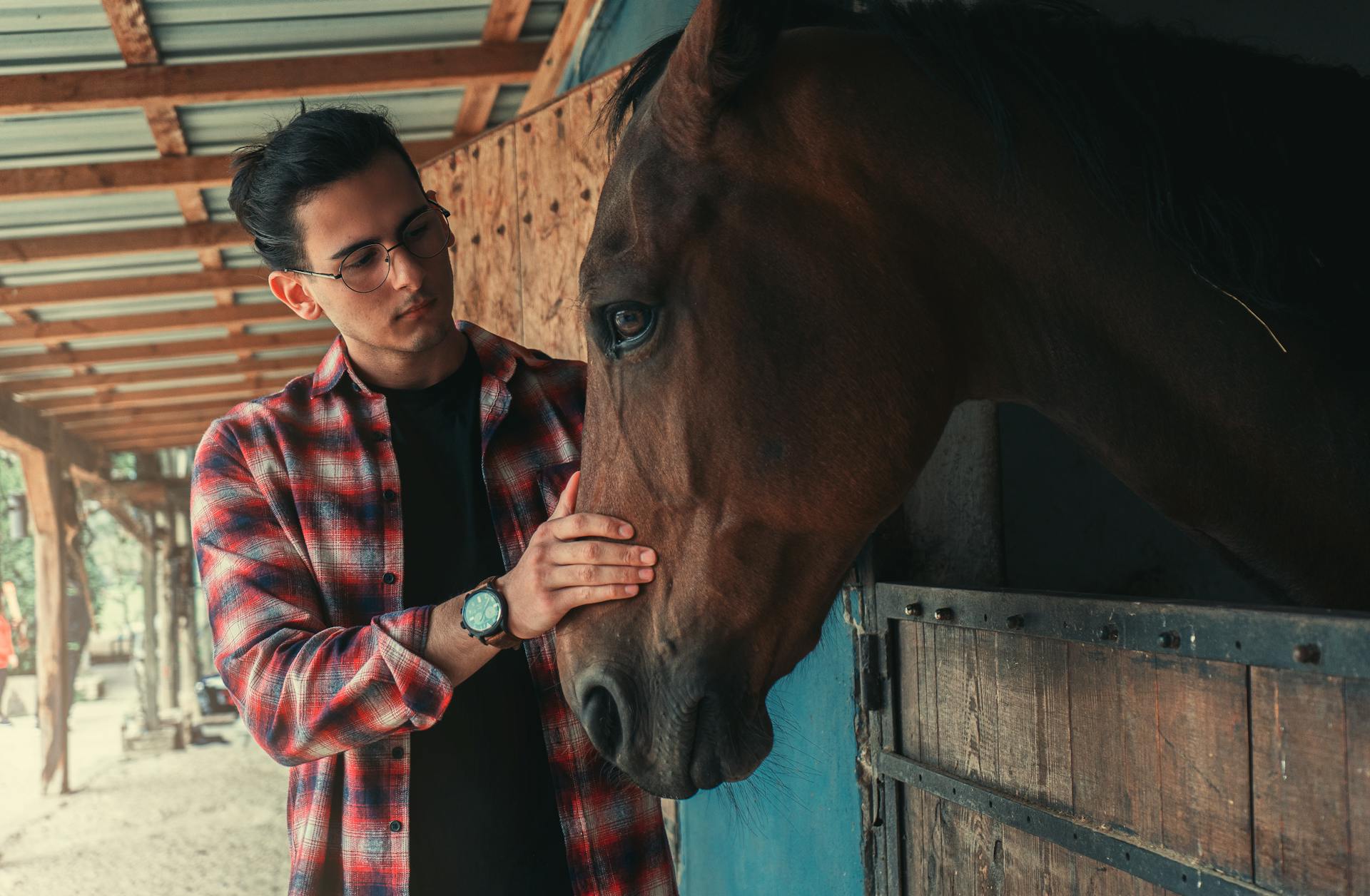

Question: What Is the Best Way to Manage Moving Your Horses to a New Property?
Answer: The best way to manage moving your horses to a new property requires meticulous planning. Prepare the new property by ensuring fences, water, and shelter are safe. Use experienced haulers, have your vet complete necessary health checks, and provide a calm, gradual introduction to their new environment.
How to Best Manage Moving Your Horses to a New Property
Moving to a new home is a significant life event. When you own horses, this event involves more than just packing boxes. You must plan for the safe and comfortable transition of your equine partners. Understanding the best way to manage moving your horses to a new property is the first step towards a successful relocation. This process requires careful thought and detailed preparation. Your goal is to minimize stress for your horses and ensure their well-being from start to finish. A smooth move helps them adapt quickly to their new surroundings.
This article provides a clear roadmap. It covers everything from creating a long-term plan to helping your horse settle into its new home. We will explore property preparation, transportation choices, and essential health documentation. A well-organized move ensures a happy start for you and your horses at your new property. Your careful planning creates a foundation for a positive experience. The journey becomes less about stress and more about the excitement of a new beginning. Your horses depend on you to make this transition safe and secure.
Planning Your Equine Move Months in Advance
A successful move starts long before the moving truck arrives. You should begin planning at least two to three months in advance. Create a master checklist that details every task. This list will help reduce any last-minute panic. Your horse’s health is a top priority. Schedule a visit with your veterinarian well ahead of the moving date. Your vet can perform a health check and provide any necessary documents. These documents often include a negative Coggins test and a health certificate, which are usually required for transport.
Also, ensure all vaccinations are current. This is a good time to discuss travel-related health concerns with your vet, such as stress or dehydration. Booking a reputable horse transport company early is also important. Popular haulers book up quickly, especially during peak moving seasons. Discuss your route, planned stops, and your horse’s specific needs with them. Confirm their insurance and credentials. Start organizing your tack and supplies. Pack items you will not need immediately. Label everything clearly. Create a “first 24 hours” kit for your horses. This kit should include hay, feed, supplements, buckets, and basic first-aid supplies.
Click here for more information on experienced equestrian realtors
Related Article: What Easements Must Equestrian Buyers Verify?
Related Article: What to Look for During a Property Inspection of an Equestrian Farm?
Choosing Safe and Reliable Transportation
The method you choose to transport your horses will greatly impact their moving experience. You have two main options: hiring a professional shipping company or hauling them yourself. Professional haulers offer experience and specialized equipment. They understand how to manage horses on long journeys and carry commercial insurance. This option reduces your personal stress and responsibility on moving day. If you choose to haul your own horses, you need a reliable truck and a safe, well-maintained trailer. You also need the experience to handle potential challenges on the road.
When selecting a professional hauler, do your research.
-
Check References
Ask for and contact references from previous clients. Look for reviews online to gauge their reputation for safety and animal care. A good company will gladly provide this information.
-
Verify Credentials
Confirm they have proper insurance and are registered as a commercial carrier. This protects you and your horse in case of an accident. Do not hesitate to ask for copies of their paperwork.
-
Inspect the Equipment
Ask to see photos of the trailer or inspect it in person. Look for good ventilation, sturdy dividers, and clean, safe flooring. The vehicle should be appropriate for the number of horses and the distance of the trip.
Preparing your horse for the trip involves protecting them from injury. Shipping boots or leg wraps can prevent scrapes and bruises. A fly mask helps shield their eyes from dust and debris.
Keeping Your Horse Calm and Healthy
Moving day can be stressful for your horse. A consistent routine can help keep them calm. On the day of travel, feed your horse a small amount of hay a few hours before loading. Avoid feeding grain, as it can increase the risk of colic during travel. Always provide access to fresh, clean water up until the moment you load them onto the trailer. This helps prevent dehydration. During the journey, proper management is key to their well-being. Good ventilation is vital inside the trailer, even in cooler weather, to prevent respiratory issues like shipping fever.
Plan for regular stops. You should stop every three to four hours to check on your horses and offer them water. They may not drink much, but the offer is important. Some people bring water from home to encourage drinking. Keep hay available throughout the trip in a slow-feed haynet. Using familiar hay from your old property can encourage them to eat and keep their digestive system working properly. Observe your horse’s behaviour at each stop. Look for signs of stress or discomfort. A calm and well-managed journey sets the stage for a smooth arrival.
The First Days and Weeks
Your horse’s arrival at the new property marks the beginning of their adjustment period. Have their new home ready before they step off the trailer. A clean stall with deep bedding, fresh hay, and clean water creates a welcoming environment. Lead your horse calmly into their new space and give them time to explore and relax. If there are other horses on the property, biosecurity is very important. You should quarantine new arrivals for at least two to three weeks. This separation prevents the potential spread of disease.
Use separate feeding tubs, water buckets, and grooming tools for the new horse during this period. Monitor them closely for any signs of illness, such as a cough or nasal discharge. Introduce your horse to their new surroundings gradually. Start with short, supervised hand-walking sessions. Then, allow them turnout in a small, secure paddock alone before introducing them to a larger pasture or other horses. A gradual introduction to new pasture is also important to prevent digestive upset. This careful approach helps your horse acclimate safely and reduces the risk of injury or illness.
Health and Legal Documentation Checklist
Organizing your horse’s paperwork is a critical part of a smooth move. You must have all the necessary documents ready before you travel. Your veterinarian is your partner in this process. They will provide the official paperwork required for transport. Create a travel folder that contains originals or copies of every important document. This keeps everything in one place and easily accessible. A digital copy saved on your phone or cloud storage is also a wise backup. This preparation prevents legal issues and ensures you can access care for your horse if needed during the journey.
Here is a list of essential documents:
-
Coggins Test
A negative Coggins test certificate is required for most travel. This blood test screens for Equine Infectious Anemia. Ensure the test is current according to your destination’s regulations.
-
Health Certificate
A Certificate of Veterinary Inspection (CVI), or health certificate, is a document signed by your vet. It states that your horse is healthy for travel. It is usually valid for only 30 days.
-
Vaccination Records
Keep a complete record of your horse’s vaccinations. This information is important for your new veterinarian and any boarding facilities you may use in the future.
-
Ownership Papers
Always travel with proof of ownership, such as a bill of sale or registration papers. This is important for identification and legal purposes, especially when crossing certain boundaries.
Also include contact information for your current vet, your new vet, and your transport company in your folder.
Your Successful Equine Relocation
Successfully moving your horses to a new property is an achievable goal. The process depends entirely on careful and thorough planning. By breaking the move down into manageable steps, you reduce stress for both you and your animals. Begin your preparations months in advance. Ready the new property to be a safe haven from the moment your horses arrive. Choose a transportation method that prioritizes their safety and comfort. During the first few weeks, a gradual and patient introduction to their new life will help them settle in happily. This patience pays off with a well-adjusted horse.
Keeping all your health and legal documents organized will prevent any last-minute delays or problems. This detailed approach ensures a positive transition. You can then focus on the joy of starting a new chapter with your equine companions in your wonderful new home. The right preparation paves the way for a smooth and rewarding experience for everyone. A happy horse in a new, safe environment is the ultimate reward for your hard work and diligence. Welcome to your new beginning.