
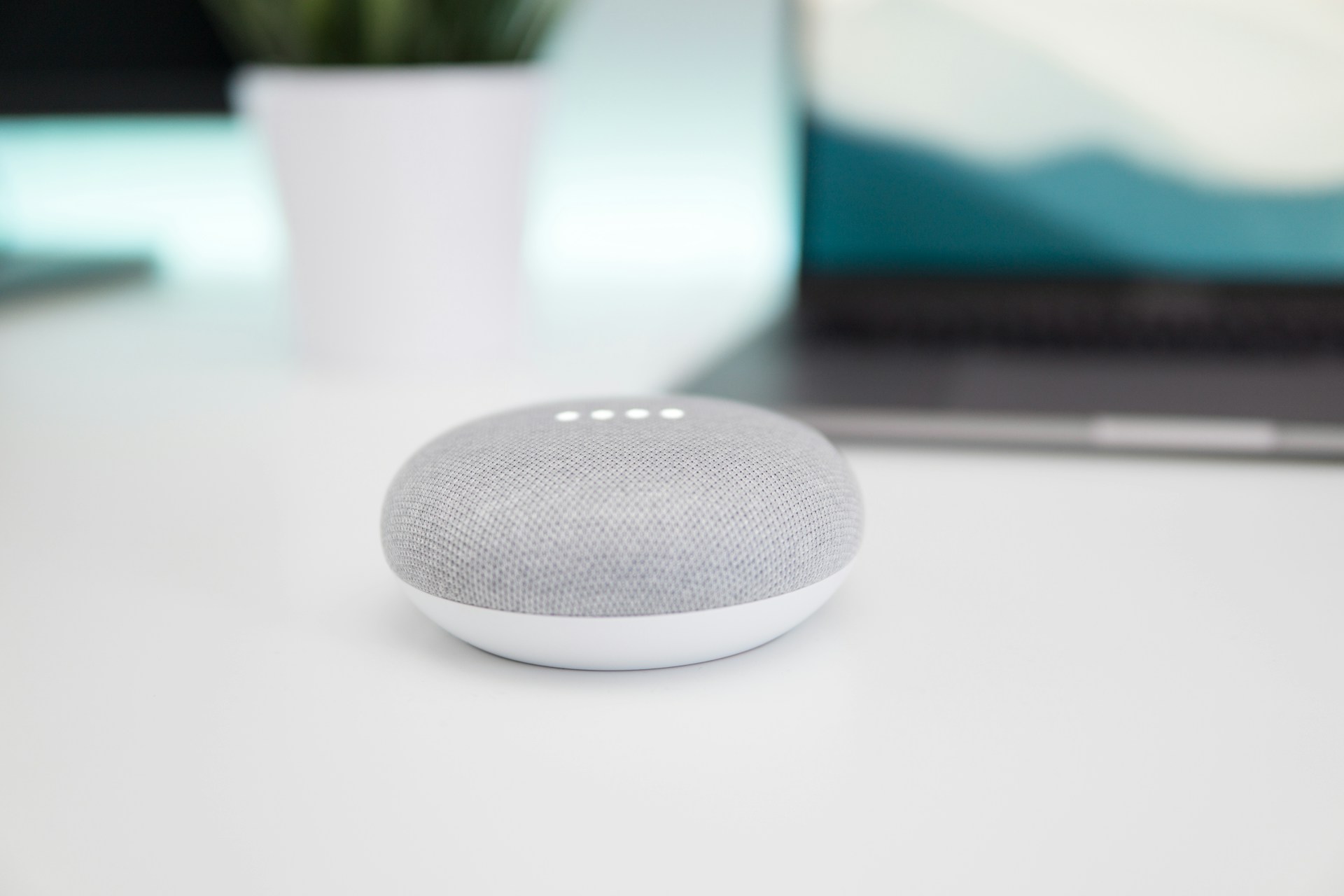

Question: Are Smart Homes Always Listening?
Answer: Smart homes are not always listening. Not actively. Devices listen only for a ‘wake word’ before recording a command. You have full control over privacy settings and can delete recordings. Your data is protected under Canadian privacy laws, giving you peace of mind in your home.
How Your Smart Home Listens
Smart home technology offers incredible convenience. You can adjust your thermostat, play music, or turn on the lights with a simple voice command. This ease of use leads many people to wonder if smart homes are always listening to their private conversations. The question touches on important issues of privacy and data security. Many homeowners worry that their personal assistants, like Amazon’s Alexa or Google Assistant, record everything they say. This concern is valid in our increasingly connected world.
The reality of how these devices operate is more nuanced than a simple yes or no. Smart speakers and displays are designed to be helpful, responding only when you need them. They use specific technology to wait for a command. This post will explore the mechanics behind your smart devices. We will cover how they listen, what happens to your voice data, and what Canadian laws protect you. Understanding these details empowers you to enjoy the benefits of a smart home while confidently managing your privacy.
How Smart Devices Hear Your Commands
Smart speakers function by using a process called “wake word” detection. These devices have a small amount of memory that continuously listens for a specific phrase. For Amazon Echo, the wake word is “Alexa.” For Google Home, it is “Hey Google.” The device is in a passive listening state during this time. It analyzes short snippets of audio in a local loop to identify the wake word. Nothing is recorded or sent to the cloud during this passive phase. The device is simply waiting to be activated.
Think of the smart speaker as a well-trained receptionist sitting at a desk. The receptionist hears all the background chatter in the office lobby but is trained to only pay attention and act when someone says their name. Similarly, your smart device ignores all conversation until it detects its name. Once it hears the wake word, the device switches from passive to active mode. A light often appears on the device to signal that it is now actively recording your request to process it.
For more information on Orangeville realtors please visit this page
Related Article: What Are 5 Reasons for a Smart House?
Related Article: How To Have a Smart Home Cheap?
Accidental Activations and Security Concerns
Sometimes, a smart device can activate by mistake. This is called a “false wake” or an “accidental activation.” It happens when the device misinterprets a word or phrase in a conversation as its wake word. For example, a word that sounds like “Alexa” on the television might cause an Echo device to start recording. When this happens, the device can record snippets of private conversations and send them to the cloud without your knowledge. While companies work to reduce these errors, they still occur.
Another concern is security. Like any internet-connected device, a smart speaker could be a target for hackers. If someone gained unauthorized access to your home Wi-Fi network, they could potentially compromise your smart devices. This could allow them to listen in on your home’s activities. Securing your network with a strong, unique password and enabling any available security features is a critical step. These measures help protect all your connected devices, including your smart speakers, from outside threats.
Your Privacy Rights Under Canadian Law
In Canada, your personal information is protected by federal law. The Personal Information Protection and Electronic Documents Act (PIPEDA) sets the rules for how private companies handle your data. This includes voice recordings collected by smart home devices. Under PIPEDA, companies must get your consent before they collect, use, or share your personal information. When you set up a smart device, you agree to a terms of service document. This document is where you typically provide that consent.
PIPEDA also gives you the right to access your personal information and challenge its accuracy. This is why companies like Google and Amazon provide tools for you to review and delete your voice history. Canada also has “one-party consent” laws for recording conversations. This means it is legal to record a conversation as long as one of the people involved consents. In your home, you are the consenting party. However, you should inform guests that you have active smart speakers to respect their privacy.
Practical Steps to Manage Your Privacy
You can take several proactive steps to protect your privacy while using smart home devices. These simple actions give you greater control over your personal information and enhance your peace of mind. Taking a few minutes to configure your devices properly can make a significant difference. Most settings are easy to find within the device’s companion app on your smartphone.
-
Review Device Settings
Open the Alexa, Google Home, or Apple Home app. Look for the privacy section. Here, you can control how your data is used. You can opt out of having your recordings used for product development. You can also set your recordings to delete automatically after a certain period, such as every three months.
-
Use the Mute Button
Every major smart speaker has a physical microphone mute button. When you press it, the microphone is electronically disconnected. The device cannot listen for the wake word or anything else until you unmute it. Use this button when you are having sensitive conversations and want to ensure complete privacy.
-
Secure Your Home Network
A strong password for your Wi-Fi network is your first line of defence. Use a long password that combines letters, numbers, and symbols. Avoid using common words or personal information. A secure network protects all the devices in your home, not just your smart speakers, from unauthorized access.
The Future of Smart Homes and Data Security
The technology behind smart homes is constantly improving. A significant trend is the move toward on-device processing. This means future devices will handle more of your requests directly, without sending your voice data to the cloud. For simple commands like setting a timer or turning on a light, the device will process the command locally. This change greatly enhances privacy because your personal information never leaves your home. It also makes the devices faster and more reliable, as they do not depend on an internet connection for basic tasks.
As consumers become more aware of privacy issues, they demand more transparency and control from tech companies. This public pressure will likely lead to stronger privacy features and clearer policies. For the real estate market, a home’s privacy and security features are becoming important selling points. A home pre-configured with secure, privacy-respecting technology can be more attractive to potential buyers. Homeowners who understand and manage their technology can build a smart home that is both convenient and secure.
Conclusion
Smart homes are, in a limited sense, always listening for their wake word. They are not, however, constantly recording and storing all your conversations. The technology is designed to activate only when called upon. Understanding this distinction is key to using these devices comfortably and safely. Accidental activations can happen, and like any connected device, security risks exist. These are manageable issues, not reasons to avoid the technology altogether. You hold the power to control your digital environment.
By taking simple steps, you can greatly enhance your privacy. Regularly review your device settings, delete old recordings, and use the physical mute button for sensitive moments. Securing your home Wi-Fi network is another crucial layer of protection. Canadian laws like PIPEDA provide a framework of protection, giving you rights over your data. As technology develops, with a greater focus on on-device processing, smart homes will become even more secure. You can confidently enjoy the modern convenience of a smart home by being an informed and proactive user.