

Question: What Are the Pros and Cons of Smart Technology?
Answer: Pros of smart technology include increased convenience, enhanced security, and potential energy savings. Cons include the need for a significant investment, privacy and data security risks, and reliance on a strong, consistent Wi-Fi connection to operate.
The Advantages and Disadvantages of Smart Home Technology
Modern homes increasingly feature connected devices. These tools promise to simplify our lives, improve security, and manage energy use. So, what are the pros and cons of smart technology? This question is important because integrating these systems represents a significant choice. The decision impacts your daily routine, your budget, and even your personal privacy. A home is no longer just a physical structure; it can be an interconnected ecosystem of gadgets that you control from your phone.
Understanding this technology helps you make informed choices. Whether you are selling your home or looking for a new one, smart features are a growing factor in the real estate market. They can add value and appeal, but they also introduce new considerations. This overview explores both the benefits and the drawbacks. We will look at how these systems provide convenience and how they might pose risks. This balanced view will help you decide if a smart home is the right fit for your lifestyle.
The Convenience of an Automated Home
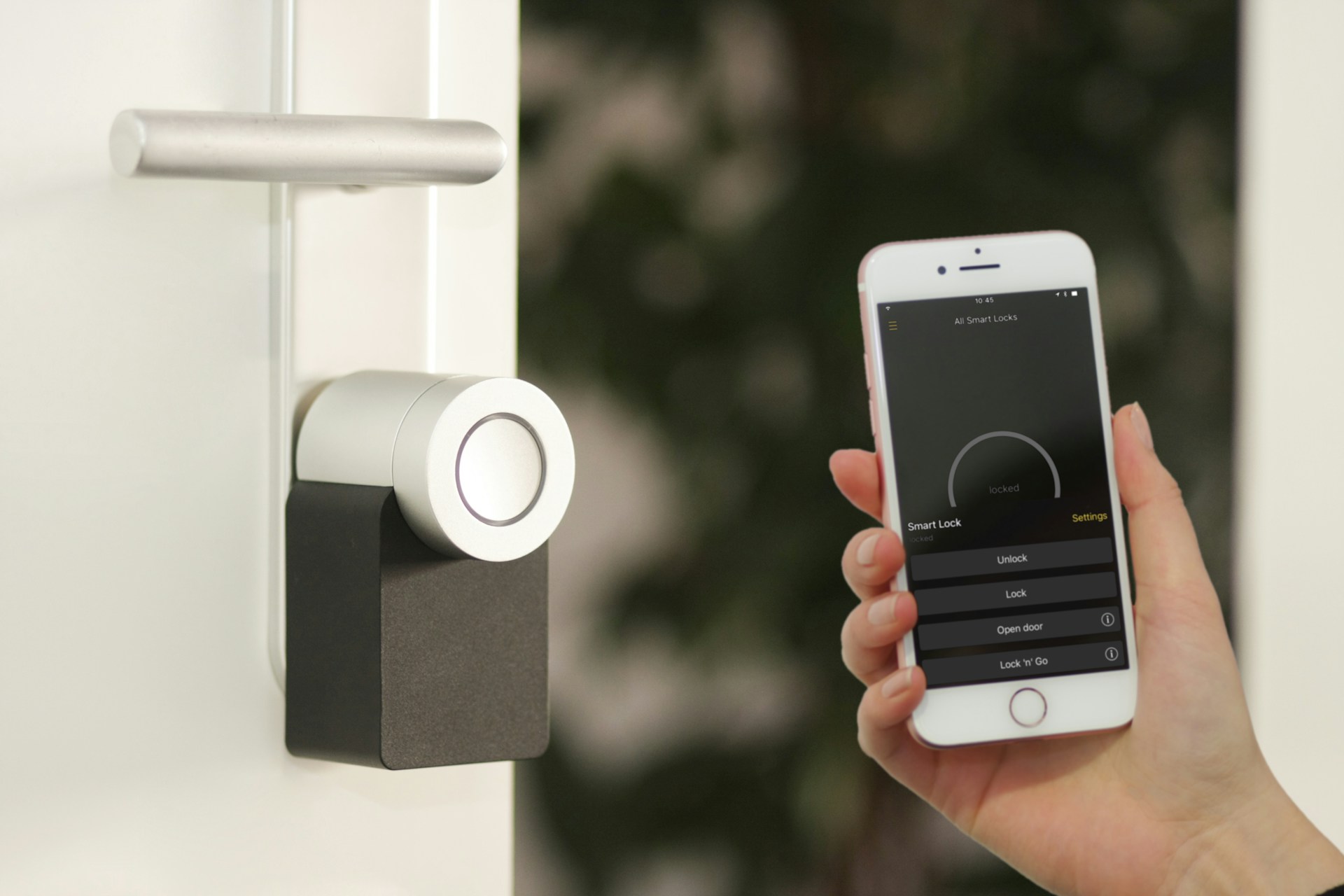
The primary benefit of smart home technology is convenience. These systems automate daily tasks and give you remote control over your home’s functions. Imagine adjusting your thermostat from the office so your house is the perfect temperature when you arrive. You can turn lights on or off from your couch or even from another country. Smart locks allow you to grant temporary access to a friend or a service person without sharing a physical key. This level of control simplifies life and saves you time.
Many smart systems also learn your habits. A smart thermostat can recognize your daily schedule and adjust heating or cooling automatically to match it. This creates a comfortable environment without constant manual adjustments. Smart speakers let you play music, check the weather, or create a shopping list using only your voice. This hands-free operation is very helpful when you are busy with other tasks. The integration of these devices creates a seamless living experience where your home responds to your needs, often without you needing to do anything at all.
Click the link to read more about local Orangeville real estate agents
Related Article: How Do I Make My House a Smart House?
Related Article: What Is the Difference Between a Smart Home and a Normal Home?
Potential for Energy Savings and Efficiency
Many people adopt smart technology to reduce their utility bills. These devices promote energy efficiency by optimizing consumption. A smart thermostat is a prime example. It learns your temperature preferences and schedule, then builds a program to reduce heating and cooling when you are away or asleep. Some models even use geofencing to detect when your phone leaves or approaches the house, adjusting the temperature automatically. This intelligent management can lead to significant savings on your energy bills each year.
Beyond climate control, other devices contribute to a more efficient home. Smart plugs let you control power to any appliance. You can set schedules to turn off electronics and prevent phantom power drain from devices on standby. Smart lighting systems allow you to dim lights or ensure they are all off after you leave. Automated blinds can close during the hottest part of the day to keep your home cool, reducing the load on your air conditioner. These small adjustments add up, lowering your home’s environmental footprint and putting money back into your pocket.
The Costs and Complexity of Smart Systems
A significant drawback of smart technology is the initial financial investment. Individual devices like a smart thermostat or a video doorbell can cost several hundred dollars each. Equipping an entire home with smart lights, locks, speakers, and sensors quickly becomes an expensive project. Beyond the purchase price, there are often hidden costs. Some security cameras require a monthly subscription for cloud video storage. You might need to hire a professional for installation, especially for more complex systems like smart switches or thermostats, adding to the overall expense.
Another challenge is the complexity of setting up and managing these systems. Each device needs to be connected to your Wi-Fi network and configured through an app. This process can be confusing for people who are not comfortable with technology. Ensuring that devices from different brands work together can also be difficult. You may need a central hub to get your smart lock to communicate with your smart lights. When a device stops working, troubleshooting the problem can be frustrating. It requires patience and a willingness to navigate technical support guides or forums.
Privacy and Security Vulnerabilities
While smart devices can enhance physical security, they introduce new digital risks. Every internet-connected device in your home is a potential target for hackers. A compromised security camera could allow someone to watch your home, and a hacked smart lock could grant them entry. These devices collect large amounts of data about your daily life, including when you are home, what you say near a smart speaker, and your energy usage patterns. This information is valuable, and you must trust the companies that make these devices to protect it.
Protecting your smart home requires careful attention to digital security. You should use strong, unique passwords for every device and account. Enabling two-factor authentication adds an essential layer of security. It is also important to keep your device firmware and apps updated, as these updates often contain critical security patches. In Canada, the Personal Information Protection and Electronic Documents Act (PIPEDA) governs how companies handle your data, but breaches can still happen. Homeowners must weigh the convenience of these devices against the potential for a serious privacy invasion.
Making the Right Choice for Your Home
Deciding to integrate smart technology into your home is a personal choice. You must weigh the clear benefits against the real drawbacks. The convenience of an automated home, the peace of mind from enhanced security, and the potential for energy savings are powerful motivators. These features can make daily life easier and more efficient. They can also add a modern appeal to a property, which is an attractive feature in the current real estate market. Buyers often see a connected home as a premium, move-in-ready option.
However, the cons require serious thought. The high upfront cost, the potential for technical complexity, and ongoing subscription fees can be a barrier. More importantly, the privacy and security risks are a major concern. You are placing a great deal of trust in technology and the companies behind it. For many, a good approach is to start small. Choose one or two devices that solve a specific problem, such as a smart thermostat for energy savings or a video doorbell for security. This allows you to experience the benefits and learn how to manage the technology before committing to a fully integrated smart home system.


