
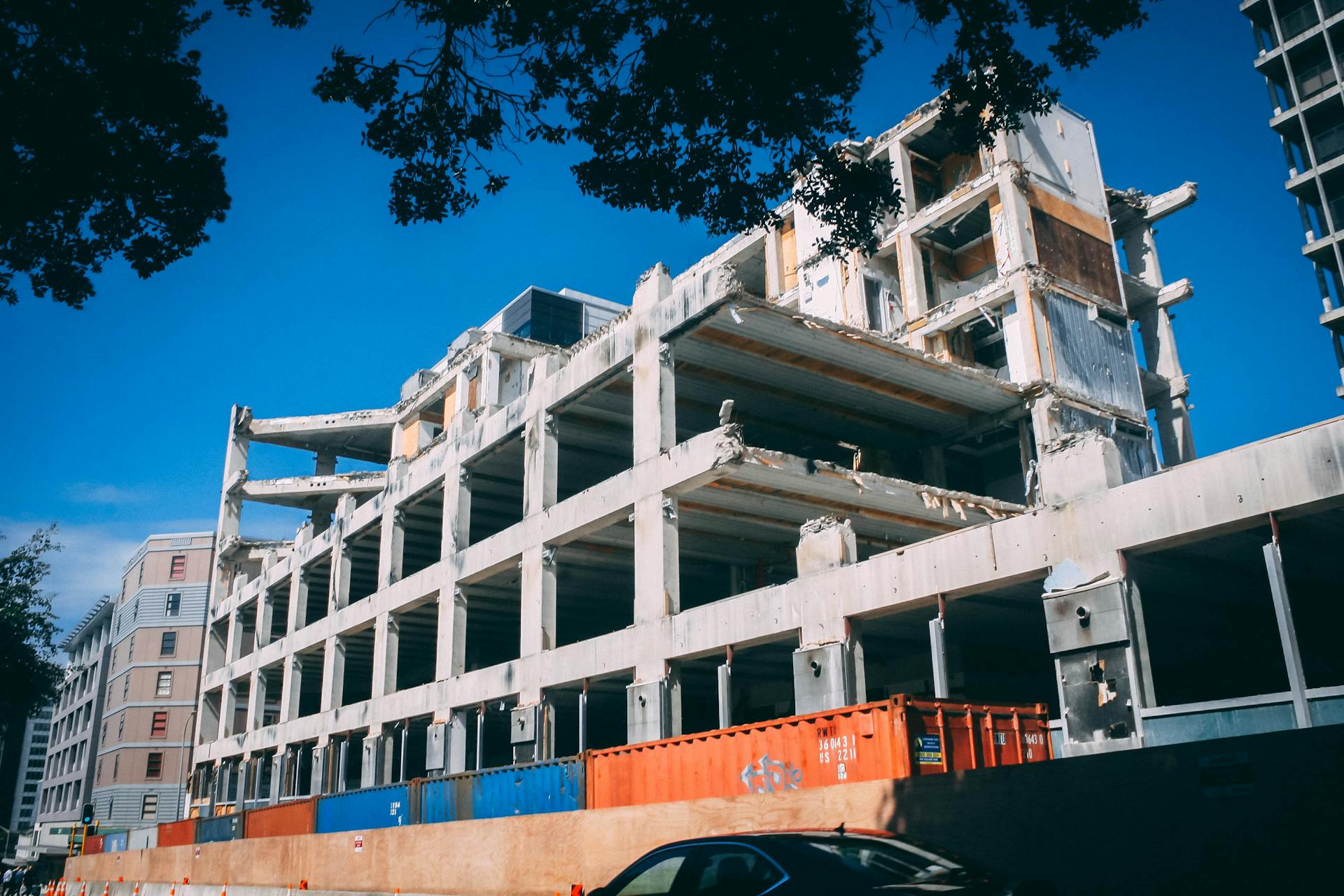

Question: How to Revitalize Without Gentrification?
Answer: To revitalize without gentrification focus on community-led strategies. Implement inclusionary zoning to create mixed-income housing, strengthen tenant protections and rent control to prevent displacement, and support local small businesses. Community land trusts can ensure long-term affordability, preserving the neighbourhood’s character while it improves.
Revitalizing Neighbourhoods Without Displacing Residents
Neighbourhoods are living entities that change over time. Many communities seek improvement, desiring safer streets, better services, and new opportunities. This process of improvement is called revitalization. However, revitalization can sometimes lead to gentrification, a process where rising property values and rents displace long-term residents. This creates a difficult challenge for communities. The central question becomes how to revitalize without gentrification. The answer lies in a thoughtful, community-focused approach that prioritizes people over profit. True revitalization strengthens a community from within, preserving its unique character and culture while improving the quality of life for everyone who calls it home.
Achieving this balance requires careful planning and deliberate action. It means empowering existing residents to guide the changes happening in their own backyard and it involves supporting local businesses that form the economic backbone of the neighbourhood. It also demands creating and preserving housing that remains affordable for all income levels. By focusing on these core principles, communities can foster growth that is both sustainable and equitable. This ensures that the people who built the community can enjoy the benefits of its improvement, creating a stronger, more resilient neighbourhood for future generations.
Prioritizing Community-Led Development
The most effective revitalization strategies place current residents in control. Community-led development ensures that all changes reflect the needs and desires of the people who live there. This approach shifts power from external developers to the local community. Residents become active participants in planning their future, not passive observers of change. They identify key priorities, from creating new green spaces to improving local schools or public transit. This direct involvement builds a strong sense of ownership and pride, which is essential for long-term success. It guarantees that revitalization serves the community’s interests first.
Several models support this community-first approach. Community Land Trusts (CLTs) are a powerful tool. A CLT is a non-profit organization that acquires and holds land for the benefit of the community. It can lease the land for affordable housing, community gardens, or local businesses, ensuring it remains affordable permanently. Housing co-operatives are another excellent option. In a co-op, residents collectively own and manage their building, providing secure and affordable housing. These models remove housing from the speculative market, protecting residents from sudden rent hikes and eviction. They give the community direct control over its most valuable asset: its land.
Follow this link to learn more about your home’s value
Please visit this page to learn more about the effects of gentrification
Related Article: What Is the Threat of Gentrification?
Related Article: What Are the Pros and Cons of Gentrification?
Implementing Inclusive Housing Policies
Housing is at the heart of the gentrification debate. Stable and affordable housing is the bedrock of any healthy community. Without it, long-term residents face displacement as property values rise. Inclusive housing policies are essential to ensure that people of all income levels can remain in their neighbourhood. These policies are not about stopping development. They are about guiding it in a way that benefits everyone. The goal is to create mixed-income communities where new and old residents can live together. This approach fosters diversity and social cohesion, which are vital for a thriving neighbourhood.
One key policy is inclusionary zoning. This policy requires developers to set aside a certain percentage of units in new residential projects for low and moderate-income households. This integrates affordable housing directly into new developments. Protecting existing tenants is also critical. Strong tenant protection laws and rent stabilization measures can prevent unfair evictions and extreme rent increases. Additionally, programs that provide grants or low-interest loans for home repairs help long-term homeowners maintain their properties. These policies work together to create a stable housing environment, allowing residents to stay in their homes and enjoy the benefits of a revitalized community.
Preserving Cultural Heritage and Identity
A neighbourhood is more than just a collection of buildings. It is a place with a unique history, culture, and identity. True revitalization celebrates and protects these qualities. Preserving cultural heritage is essential to maintaining a community’s soul. This involves protecting historic buildings from demolition and encouraging adaptive reuse, where old structures are repurposed for new uses. It also means recognizing and supporting the cultural practices and traditions that define the community. When a neighbourhood’s history is visible and valued, it strengthens residents’ sense of belonging and connection to their home.
There are many ways to foster a strong cultural identity. Public art projects, such as murals that depict local history, can transform public spaces and tell the community’s story. Supporting local artists and cultural organizations ensures that the arts remain a vibrant part of neighbourhood life. Community gardens and farmers’ markets not only provide fresh food but also serve as important social hubs where neighbours connect. Creating and maintaining public spaces that reflect the community’s values is also important. These efforts ensure that as a neighbourhood improves physically, it does not lose the intangible qualities that make it a special place to live.
Investing in Public Infrastructure for All
Improvements to public infrastructure can significantly enhance residents’ quality of life. Revitalization should focus on investments that benefit the entire community. This includes upgrading essential services and amenities that everyone can use. Well-maintained parks, safe playgrounds, and accessible community centres provide valuable spaces for recreation and social interaction. Improved public transit makes it easier for residents to get to work, school, and other important destinations. A modernized public library offers access to information, technology, and educational programs for all ages. These are foundational investments in a community’s well-being.
The key to successful infrastructure investment is community input. Planners must work directly with residents to identify their most pressing needs. Perhaps a neighbourhood needs better street lighting for safety, or more frequent bus service. Maybe a local park is outdated and needs new equipment. By listening to the community, cities can ensure that public funds are spent on projects that deliver the most value to the people who live there. This collaborative approach makes residents feel heard and valued. It also ensures that improvements directly address the community’s priorities, fostering equitable growth instead of just attracting outside investment.
Fostering Collaboration and Open Communication
Successful revitalization requires a team effort. It depends on open and honest communication between all stakeholders. Residents, community leaders, local business owners, non-profit organizations, developers, and city officials must all work together. A collaborative process ensures that everyone has a voice and that decisions are made transparently. When people feel included in the planning process, they are more likely to support the final outcome. This builds trust and reduces conflict, creating a smoother path for positive change. A unified vision, created together, is a powerful force for building a better community.
Establishing clear channels for communication is the first step. Regular town hall meetings, both in-person and virtual, provide a forum for discussion and feedback. Community workshops allow residents to actively participate in designing new projects. Accessible online portals can share information about proposed developments and collect public comments. It is also important to reach out to all segments of the community, including those who are often underrepresented. By making a genuine effort to listen to and incorporate feedback from everyone, a community can create a revitalization plan that is truly inclusive and equitable. This shared commitment is the foundation of lasting positive change.
Conclusion
Revitalizing a neighbourhood without causing gentrification is an achievable goal. It requires a fundamental shift in perspective. Instead of focusing solely on economic growth and property values, the focus must be on people. The strategies outlined here provide a roadmap for this people-first approach. By empowering residents through community-led development, supporting local economies, and implementing inclusive housing policies, we can foster growth that benefits everyone. This path ensures that revitalization strengthens the existing community fabric rather than tearing it apart. It builds a future where progress does not mean displacement.
A successful neighbourhood is one that is diverse, vibrant, and equitable. It is a place where long-term residents can afford to stay and enjoy the fruits of improvement. It is a community that honours its past while embracing its future. Achieving this vision demands commitment, collaboration, and a shared belief that a better future is possible for all. By working together, we can create neighbourhoods that are not only more prosperous but also more just, inclusive, and resilient. This is the true measure of successful community revitalization.