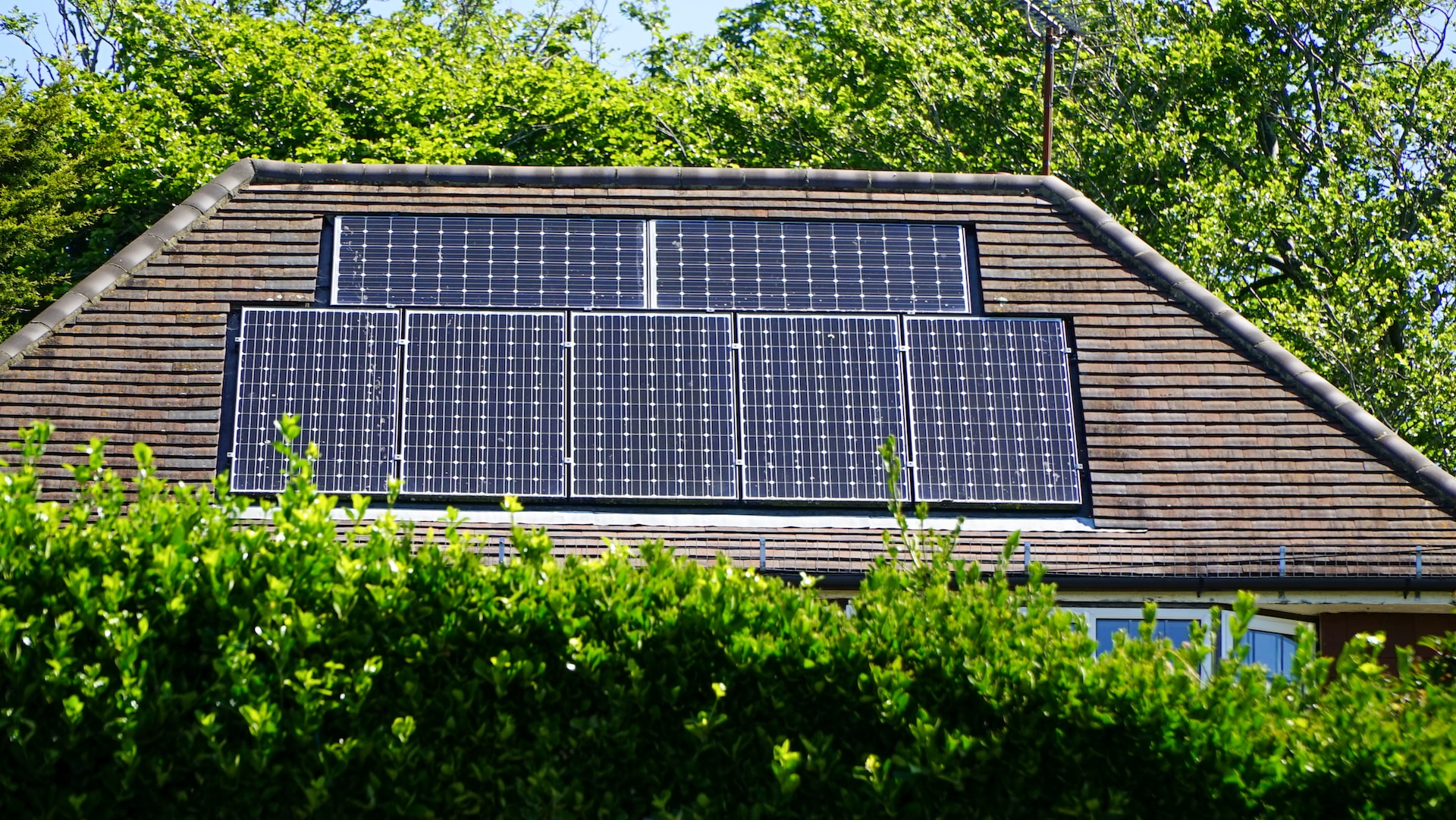

Question: What Are the Sustainability Issues in Real Estate Industry?
Answer: Key sustainability issues in real estate include high energy consumption and greenhouse gas emissions from buildings, significant construction waste, and resource depletion. The industry also faces challenges with housing affordability, climate resilience, and adapting to stricter building codes and rising carbon costs impacting both new and existing properties.
Sustainability Challenges in the Real Estate Sector
The real estate industry significantly shapes our communities and environment. As homeowners and buyers become more environmentally conscious, many ask what are the sustainability issues in real estate industry? This question reveals a growing awareness of the sector’s profound impact. Sustainability is not just about installing solar panels; it involves a property’s entire lifecycle. It covers everything from the materials used in construction to the energy consumed daily. Understanding these issues is vital for making informed decisions.
These challenges affect property value, operating costs, and resident well-being. A home with high energy bills due to poor insulation is a financial burden and an environmental concern. Similarly, a community built without green spaces or walkability impacts both quality of life and the local ecosystem. Addressing these problems creates healthier living spaces and more resilient communities. It also presents an opportunity for innovation, driving the market toward more responsible practices that benefit everyone.
High Energy Consumption and Carbon Footprints
Buildings are among the largest consumers of energy globally. In residential properties, a significant portion of this energy powers heating, cooling, and lighting systems. Older homes, in particular, often lack modern insulation and efficient windows. This results in substantial heat loss during cold months and heat gain during warmer periods. The home’s heating and cooling systems must work harder to maintain a comfortable temperature. This increased workload directly translates to higher utility bills for the homeowner and a greater demand on the energy grid.
This high energy consumption is a primary source of greenhouse gas emissions. Most of our energy still comes from burning fossil fuels, which releases carbon dioxide into the atmosphere. The collective carbon footprint of our homes, offices, and commercial buildings is immense. The real estate sector can reduce this impact through energy-efficient new construction and retrofitting existing buildings. Upgrades like adding insulation, sealing air leaks, and installing high-efficiency furnaces or heat pumps can drastically cut a home’s energy use. These actions lower costs for owners and contribute to a healthier planet.
Click the link to find out how to get a free home evaluation Melancthon
Related Article: What Are Environmental Disclosure Requirements in Real Estate Transactions?
Related Article: What Are Environmental Forces Impacting Real Estate?
Construction Materials and Waste Generation
The materials used to build our homes have a significant environmental footprint. The process begins with the extraction of raw resources, which can damage ecosystems. Manufacturing these materials, such as concrete, steel, and insulation, is often an energy-intensive process that produces emissions. The transportation of these heavy materials from factories to construction sites further adds to their environmental cost. The choices made during the design and construction phases have long-lasting consequences that extend far beyond the property line.
Furthermore, the construction and demolition of buildings generate a massive amount of waste. Discarded wood, drywall, concrete, and packaging materials frequently end up in landfills. This waste represents a loss of valuable resources and contributes to landfill capacity problems. A more sustainable approach involves thoughtful material selection and waste management.
-
Choose Sustainable Materials
Builders can select materials that are recycled, renewable, or locally sourced to reduce environmental impact. Products like reclaimed wood, recycled steel, and bamboo flooring are excellent alternatives.
-
Design for Deconstruction
Constructing buildings in a way that allows for easy disassembly at the end of their life makes it simpler to salvage and reuse materials instead of demolishing them.
-
Implement Waste Diversion Plans
On-site programs that sort and recycle construction debris can divert a huge percentage of waste from landfills, turning it back into useful materials for other projects.
Urban Sprawl and Land Use Impacts
The way we develop land is a core sustainability issue. For decades, the dominant pattern of growth has been urban sprawl. This involves low-density development that spreads outwards from city centres. These communities often consist of single-family homes on large lots, with commercial areas located far from residential zones. This design makes residents heavily dependent on cars for daily errands, commuting, and social activities. The increased vehicle use contributes to air pollution, traffic congestion, and a higher carbon footprint for the entire community.
Sprawl also consumes vast amounts of land, often converting valuable farmland and natural habitats into developed areas. This transformation fragments ecosystems and reduces biodiversity. It also requires extensive and costly infrastructure, including new roads, sewers, and utility lines, which places a financial burden on municipalities. Sustainable development offers a better alternative through smart growth principles. This approach favours creating denser, mixed-use communities where people can live, work, and shop without needing a car. It prioritizes building on underused land within existing urban areas, preserving green spaces and creating more vibrant, walkable neighbourhoods.
Indoor Environmental Quality and Occupant Health
Sustainability extends beyond the external environment and directly impacts the health and well-being of building occupants. The quality of the indoor environment is a critical component of a truly sustainable home. Many common building materials, furnishings, and cleaning products release volatile organic compounds (VOCs) into the air. These chemicals can cause a range of health issues, from headaches and allergies to more serious respiratory problems. A well-designed home uses low-VOC or zero-VOC paints, flooring, and adhesives to ensure clean indoor air.
Proper ventilation is also essential for maintaining good air quality. Modern, airtight homes are very energy-efficient, but they can trap indoor pollutants if not ventilated correctly. A mechanical ventilation system, such as a Heat Recovery Ventilator (HRV), brings in fresh, filtered air while exhausting stale air. Access to natural light is another key factor. Large windows and thoughtful home orientation not only reduce the need for artificial lighting but also improve mood and productivity. A focus on indoor environmental quality makes a home a healthier and more enjoyable place to live, connecting personal wellness with broader sustainability goals.
The Role of Regulations and Green Certifications
Government regulations and independent green building standards play a crucial role in advancing sustainability in real estate. Building codes are continuously updated to mandate higher levels of energy efficiency in new construction. These codes set minimum requirements for insulation, window performance, and the efficiency of heating and cooling systems. By raising the baseline for all new homes, these regulations ensure a gradual improvement across the entire market. They help lock in long-term energy and cost savings for homeowners while reducing the overall environmental impact of the housing sector.
Beyond mandatory codes, voluntary green building certification programs provide a framework for excellence. Programs like LEED (Leadership in Energy and Environmental Design) and BOMA BEST offer a comprehensive set of standards for creating high-performance, sustainable buildings. A home or building that earns one of these certifications has undergone a rigorous verification process. This certification signals to buyers and tenants that the property meets high standards for energy and water efficiency, indoor air quality, and responsible material use. These programs drive innovation and give conscientious consumers a reliable way to identify truly green properties on the market.
Paving the Way for a Greener Future in Real Estate
The sustainability issues facing the real estate industry are significant, but they also present incredible opportunities. From curbing high energy and water consumption to rethinking our use of materials and land, the path forward requires intentional choices. Homeowners, builders, and real estate professionals all have a part to play in this transition. By understanding the impact of our homes, we can make smarter decisions that benefit both our finances and the environment. Every choice, from upgrading an old furnace to selecting a home in a walkable neighbourhood, contributes to a larger positive change.
The demand for sustainable properties continues to grow. Buyers increasingly look for homes that are efficient, healthy, and built with care for the planet. This market trend encourages developers to adopt greener practices and invest in innovative technologies. A sustainable home is more than just a structure; it is a comfortable, cost-effective, and responsible place to live. As we continue to address these challenges, we build more than just houses. We build resilient communities and a better foundation for future generations.